Reviews

Our reviews

Full reviews with scores

Review

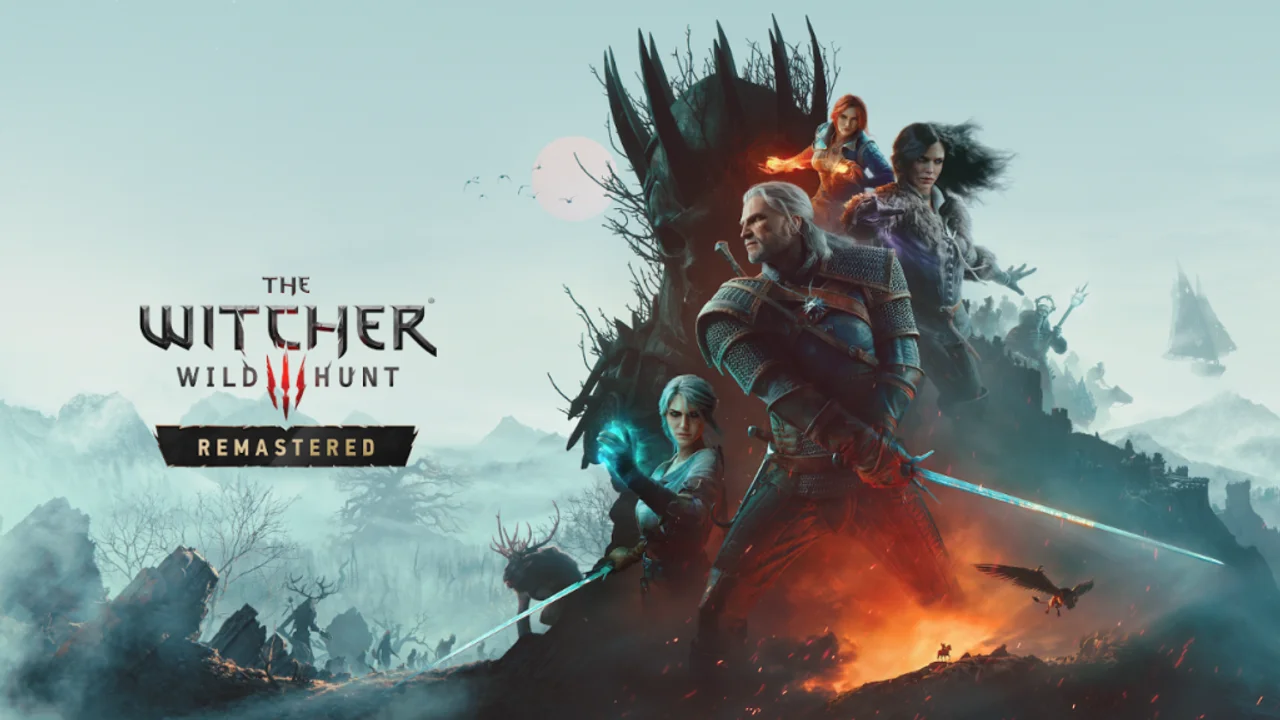
The Witcher 3 Remastered Fixes a Lot, Except Geralt's Old Fight With His Combat System

A rebuilt skill tree, less passive enemies, transmog, smoother movement and a new combat presentation take this remaster well beyond a texture pass. It effectively modernizes CD Projekt Red's enormous RPG without fundamentally transforming its melee system, which retains some of its 2015 limitations.
The Witcher 3 Remastered Fixes a Lot, Except Geralt's Old Fight With His Combat System

More reviews

  • Arena Breakout — losing your backpack has never been this portable

    Review

    Arena Breakout — losing your backpack has never been this portable

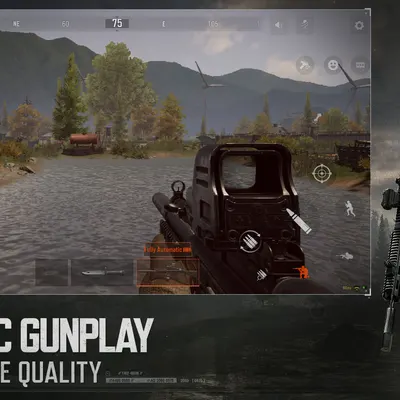
    Arena Breakout translates the extraction-shooter formula to mobile with surprising completeness: ammunition, injuries, inventory, economy and weapon construction make every deployment matter. Covert Ops prevents a bad run of raids from completely wrecking progression, while Season 13 pushes the rules further through Hardcore, Team Trial and more experimental activities. The touch interface and economy, however, can be nearly as demanding as the battlefield itself.

    Nolind

  • War Thunder in 2026 — superb vehicle combat still trapped inside its grind

    Review

    War Thunder in 2026 — superb vehicle combat still trapped inside its grind

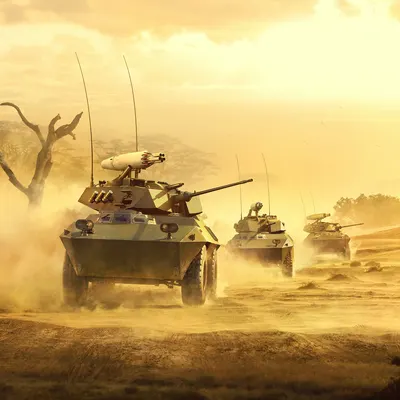
    More than a decade after arriving on Steam, War Thunder remains remarkably difficult to replace: localised damage, ballistics, armour, aviation and combined-arms battles create a game where knowing the machine genuinely matters. That depth is still wrapped in an immense progression ladder, a harsh learning curve and an economy capable of turning the next unlock into a part-time job.

    Nolind

  • RuneScape: Dragonwilds — the grind finally becomes a survival mechanic

    Review

    RuneScape: Dragonwilds — the grind finally becomes a survival mechanic

    Dragonwilds translates RuneScape progression remarkably well into a survival game: chopping, mining, building and fighting directly improve skills, while magic eventually transforms routine gathering into spectacular tools. Building is excellent and progression is deeply compelling, although combat remains somewhat stiff and the current endgame still feels thin.

    Nolind

  • MARVEL Tōkon: Fighting Souls — four heroes, one life bar and a lot of chaos to master

    Review

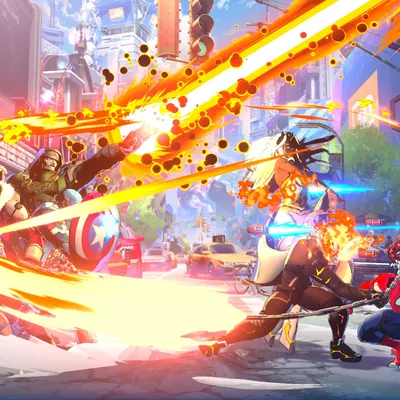
    MARVEL Tōkon: Fighting Souls — four heroes, one life bar and a lot of chaos to master

    Arc System Works builds an unusual tag fighter around four-character teams, a shared health bar and a match structure that gradually expands the player's options. Tōkon is welcoming at first contact and considerably deeper underneath, although constant assists and heavy visual effects can occasionally push the action into overload.

    Nolind

  • Slay the Spire 2: the deckbuilder king plays its best hand again, only sharper

    Review

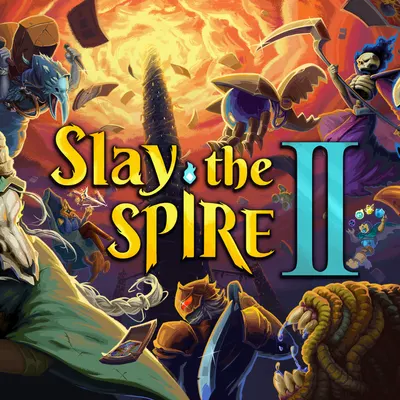
    Slay the Spire 2: the deckbuilder king plays its best hand again, only sharper

    Slay the Spire 2 preserves almost the entire loop that defined the modern roguelike deckbuilder, then deepens it through Enchantments, new between-act rewards, two original characters and remarkably natural co-op. Its Early Access status becomes clearer at higher Ascensions, where some encounters and bosses can feel more punitive than strategically illuminating.

    Hugat

  • BOMBANANA!: three players, three information gaps, one excellent co-op design

    Review

    BOMBANANA!: three players, three information gaps, one excellent co-op design

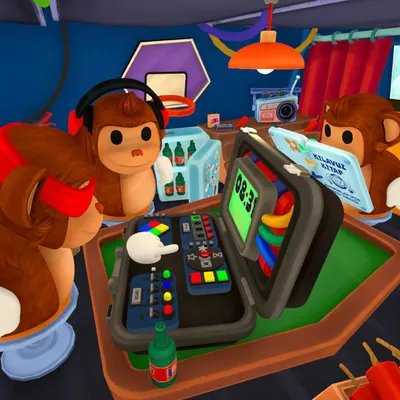
    BOMBANANA! takes the familiar bomb-and-manual setup and breaks the information chain into three incompatible roles. Communication itself becomes the puzzle. Thirty campaign levels, Endless mode and Custom challenges give the idea enough structure to survive beyond its viral first impression, even if onboarding and accessibility remain genuine weaknesses.

    Nolind

  • Eternal Return: three genres in one match, with no room for autopilot

    Review

    Eternal Return: three genres in one match, with no room for autopilot

    Eternal Return makes building your loadout as important as winning the fight itself. Material routes, crafting, character mastery, objectives and eight competing squads produce remarkable strategic depth. The same density remains its biggest obstacle: learning how to play properly takes considerable effort before combat execution even becomes the main problem.

    Nolind

  • Active Matter: the extraction shooter where the map finally fights back

    Review

    Active Matter: the extraction shooter where the map finally fights back

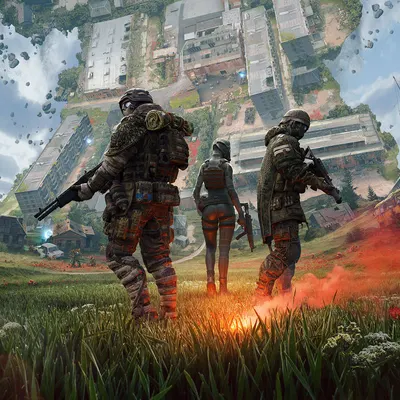
    Active Matter keeps the loot, risk and gear loss of the extraction formula, then drops gravity anomalies and rule-driven monsters into the firefights. Its identity is unusually strong and its systems run deep, but onboarding is needlessly abrasive and the full launch did not give every player an entirely clean starting line.

    Nolind

  • Rivage: smart puzzles caught in an overly restrictive loop

    Review

    Rivage: smart puzzles caught in an overly restrictive loop

    Rivage has genuine design ideas, especially its K9 system that turns discovered information into persistent progress. Yet limited power, layered access restrictions and several opaque puzzles too often make the time loop feel like an obstacle rather than the engine of the game.

    Nolind

  • Anno 117: Pax Romana Simplifies the Formula Just Enough to Let Its Cities Breathe

    Review

    Anno 117: Pax Romana Simplifies the Formula Just Enough to Let Its Cities Breathe

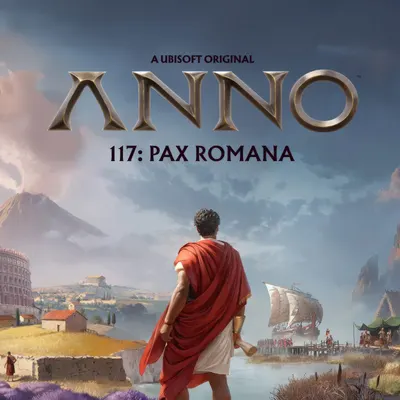
    Ubisoft Mainz takes Anno into antiquity without breaking what makes the series addictive: needs, production chains, trade and expansion still form a delayed-action machine where one bakery can eventually dictate the layout of an entire island. Pax Romana is more approachable than Anno 1800, occasionally at the expense of depth, but Latium, Albion, area effects, religion and returning land combat keep that simplification from becoming mere reduction.

    Hugat

  • World of Tanks in 2026: Sixteen Years Later, Battles Can Still Be Won Before the First Shot

    Review

    World of Tanks in 2026: Sixteen Years Later, Battles Can Still Be Won Before the First Shot

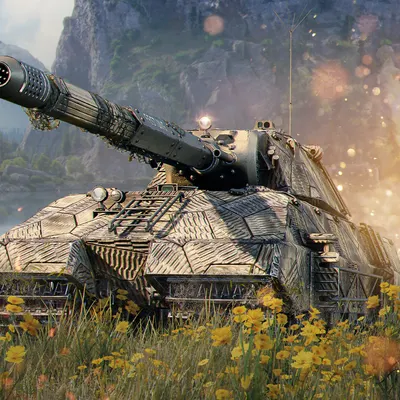
    World of Tanks is still built around a brilliant idea: make armored combat immediately understandable without discarding armor geometry, spotting, firing lanes or map knowledge. Updates 2.0 and 2.4 modernized matchmaking, progression and the vehicle roster all the way to Tier XI. Its problem is no longer a lack of depth, but everything accumulated around it: grind, premium economics and occasional balance problems make learning the game far messier than actually fighting a good battle.

    Hugat

  • Stellaris in 2026: Ten Years of Systems, and Still One More Galaxy to Start

    Review

    Stellaris in 2026: Ten Years of Systems, and Still One More Galaxy to Start

    The Stellaris of 2026 barely resembles the game reviewed in 2016. Diplomacy, vassalage, crises, ascension systems, population reworks, nomadic empires and dozens of additional mechanics have filled many of the original game's empty stretches. The price is intimidating complexity, but its ability to turn a custom empire into a unique campaign remains exceptional.

    Hugat

  • Warframe in 2026: Thirteen Years of Systems Built Around Some of the Best Combat in the Looter-Shooter Genre

    Review

    Warframe in 2026: Thirteen Years of Systems Built Around Some of the Best Combat in the Looter-Shooter Genre

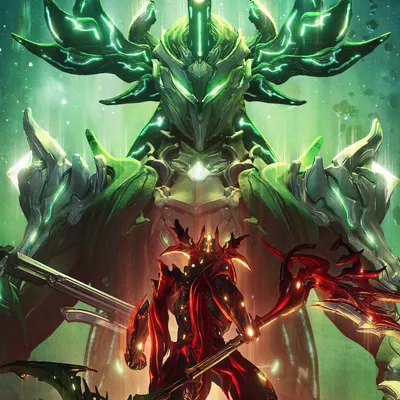
    Warframe has become enormous, occasionally to the point of absurdity. Bullet jumping, dozens of Warframes, hundreds of weapons, Mods, Focus, Railjack, Necramechs, Steel Path, Duviri and more than a decade of layered systems could fill a live-service museum. Yet one thing remains remarkably intact: crossing a room at impossible speed before clearing it still feels fantastic.

    Hugat

  • Graveyard Keeper 2 Digs Deeper, but It Still Loves Making You Work for Everything

    Review

    Graveyard Keeper 2 Digs Deeper, but It Still Loves Making You Work for Everything

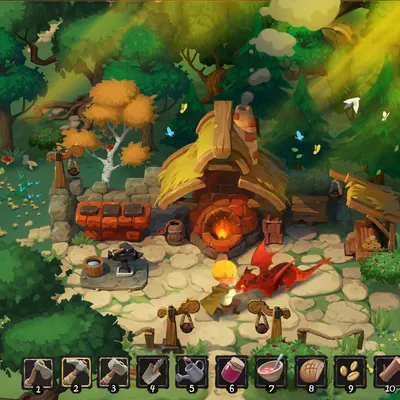
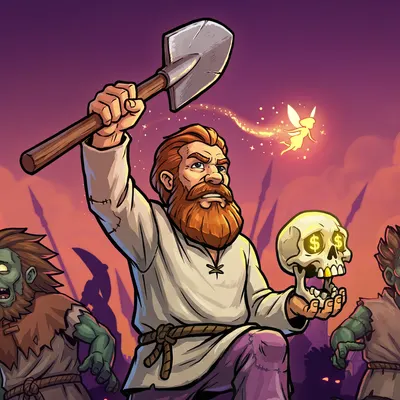
    Lazy Bear Games expands almost every part of its macabre management sim with automated production, a town to rebuild, zombie battles, larger progression trees and an avalanche of additional recipes. The result is richer and frequently more rewarding than the original, but its appeal still depends on a simple question: how many intermediate steps are you willing to complete just to make a plank?

    Hugat

  • AION 2 Rediscovers the MMO Grind — Sometimes a Little Too Literally

    Review

    AION 2 Rediscovers the MMO Grind — Sometimes a Little Too Literally

    This review covers the live Korea/Taiwan version available since November 2025, not the unreleased global PC client. AION 2 impresses with fast combat, flexible class building and a mountain of PvE, before revealing a much older MMO problem: repetitive progression, daily routines and stacked systems eventually turn abundance into fatigue.

    Hugat

  • The Blood of Dawnwalker: the clock bites harder than the vampires

    Review

    The Blood of Dawnwalker: the clock bites harder than the vampires

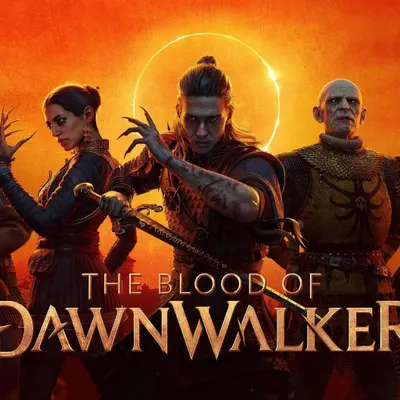
    Rebel Wolves' debut RPG politely refuses to let you do everything. Its thirty-day structure, human-vampire duality and unusually open quests give Vale Sangora a rare identity, even if combat, consequence systems and technical polish do not always keep pace with its ambition.

    Nolind

  • Wuthering Waves in 2026: Its Combat Finally Gives Solaris-3 a Reason to Keep You There

    Review

    Wuthering Waves in 2026: Its Combat Finally Gives Solaris-3 a Reason to Keep You There

    Wuthering Waves already had the right reflexes in 2024: perfect dodges, parries, aggressive character swapping and an Echo system that turns defeated enemies into build tools. Two years of updates have substantially expanded that strong foundation. The grind and gacha remain, and the opening still drags, but few free open-world action RPGs now offer combat this sharp.

    Hugat

  • Once Human in 2026: This Strange Survival Game Survived Its Own Chaos

    Review

    Once Human in 2026: This Strange Survival Game Survived Its Own Chaos

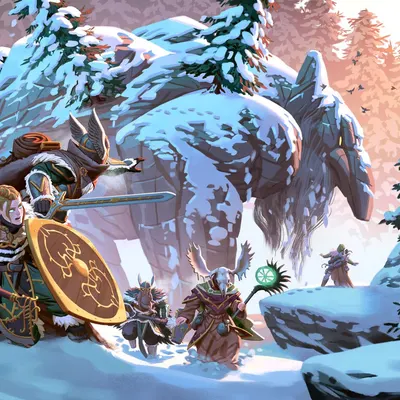
    Once Human combines survival, base building, looter-shooter systems, MMO structure and creature collecting with an almost refreshing lack of restraint. Two years of updates have improved onboarding, expanded its scenarios and softened several launch frustrations. The pieces still do not always fit neatly together, but few free games offer a sandbox this generous or this unapologetically strange.
    Kader

  • Space Marine 2: When a Great Combat System Meets an Army Too Big for the Screen

    Review

    Space Marine 2: When a Great Combat System Meets an Army Too Big for the Screen

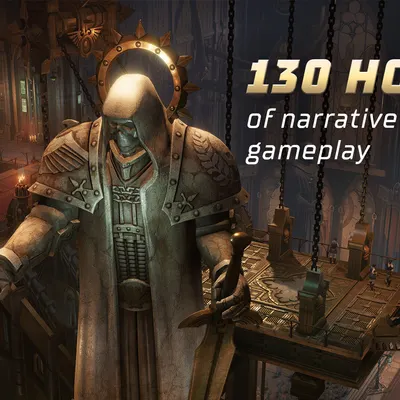
    Space Marine 2 perfectly understands the simple pleasure of becoming three tons of Imperial anger. Shooting, melee, parries and executions form an aggressive combat loop backed by spectacular Tyranid hordes. Its campaign is linear and the Chaos encounters are less exciting, but Saber built an exceptionally solid cooperative action game.

    Nolind

  • Diablo IV in 2026: Three Years of Surgery Finally Unleashed Its Excellent ARPG

    Review

    Diablo IV in 2026: Three Years of Surgery Finally Unleashed Its Excellent ARPG

    The Diablo IV of 2026 is barely the same systems game that launched three years earlier. Loot, endgame, progression and buildcraft have all been repeatedly rebuilt, sometimes radically, until a much more generous and expressive action RPG emerged. Its open world still carries dead weight and Path of Exile remains far deeper, but turning a build into a screen-clearing demonic catastrophe has never felt better here.

    Hugat

  • The Crust 1.0: The Moon Gets Interesting When the Logistics Start Breaking

    Review

    The Crust 1.0: The Moon Gets Interesting When the Logistics Start Breaking

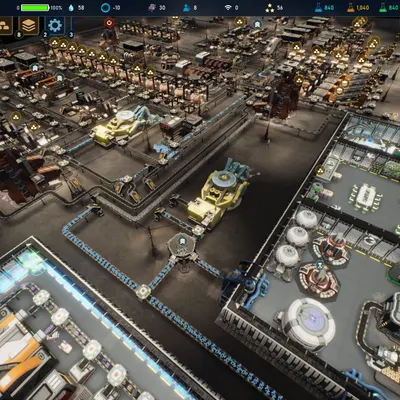
    The Crust is at its best when dealing with flows: mining impure regolith, separating materials, feeding production lines and shipping goods back to Earth before a deadline. Version 1.0 makes large factories much easier to design thanks to Planning Mode, but lingering manual chores and a rough opening keep its excellent industrial puzzle from matching the genre's sharpest systems.

    Hugat

  • Dead by Daylight Ten Years Later: The Multiplayer Slasher That Refuses to Die

    Review

    Dead by Daylight Ten Years Later: The Multiplayer Slasher That Refuses to Die

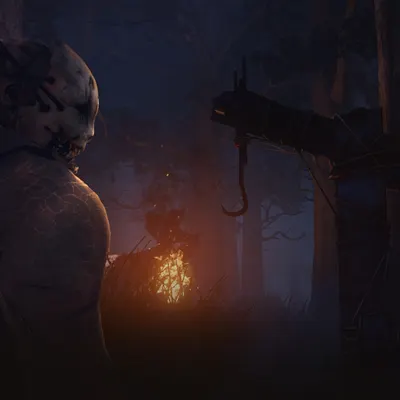
    Beneath the generators and meat hooks, Dead by Daylight has grown into a remarkably deep game of prediction and counterplay. Its strongest moments now come less from raw fear than from reading another player, although that depth brings a heavy progression layer and an almost impossible balancing act.

    Nolind

  • Genshin Impact in 2026 — a superb party RPG still trapped inside its gacha economy

    Review

    Genshin Impact in 2026 — a superb party RPG still trapped inside its gacha economy

    Six years after launch, Genshin Impact is no longer merely the free-to-play Breath of the Wild comparison that followed it in 2020. Its elemental combat, regions and exploration now have a clear identity of their own. The old problem never vanished, however: every exciting new character remains attached to an economy of scarcity, Resin and pulls that can turn team-building into resource scheduling.

    Nolind

  • Borderlands 4 finally remembers that shooting should come before talking

    Review

    Borderlands 4 finally remembers that shooting should come before talking

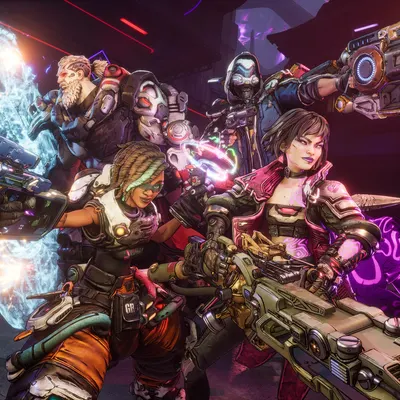
    Kairos' open structure, improved movement and four highly flexible Vault Hunters make Borderlands 4 the most enjoyable entry to actually play in years. It is not frictionless: the interface is clumsy, some quests pad progression and technical issues have repeatedly disrupted the rhythm.

    Nolind

  • Bodycam has finally grown beyond the tech-demo stage, but its realism still fights against the game

    Review

    Bodycam has finally grown beyond the tech-demo stage, but its realism still fights against the game

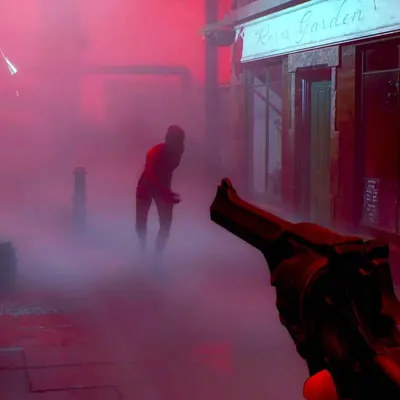
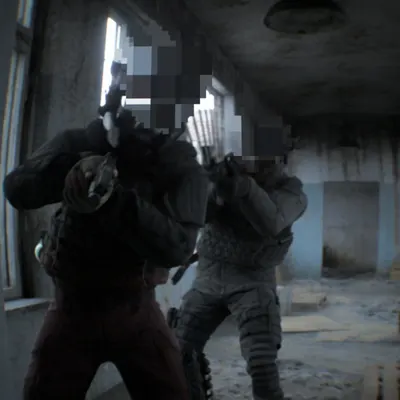
    Locked & Loaded substantially rebuilds Reissad Studio's shooter with proper loadouts, hundreds of attachments, new procedural animations and more progression. Bodycam now feels much less like the thin tech demo critics saw in 2024, yet its central contradiction remains: the shooting is radically different, while much of the game wrapped around it is still surprisingly conventional.

    Nolind

  • NBA 2K17: 2K's basketball sim came remarkably close to the perfect game

    Review

    NBA 2K17: 2K's basketball sim came remarkably close to the perfect game

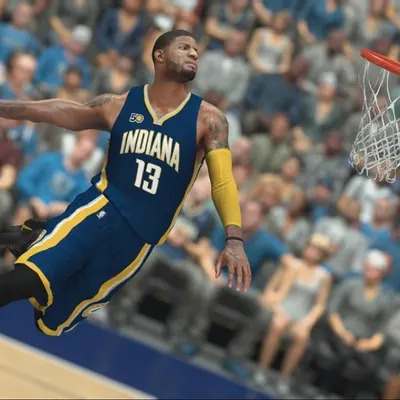
    NBA 2K17 remains one of the series' high points because Visual Concepts understood that realism meant more than faces and uniforms. Positioning, pace, contact, defensive reads and off-ball movement create a dense simulation that becomes remarkably natural once the controls click. MyCareer adds tremendous depth, then wastes some of that goodwill with a VC grind that was already intrusive in 2016.

    Nolind

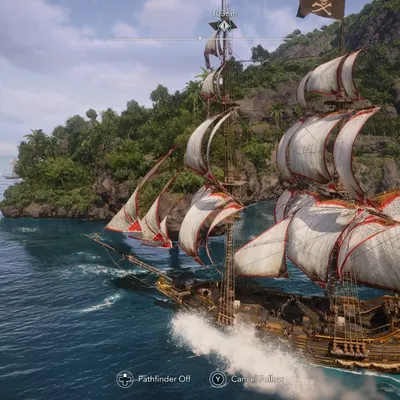
  • Sea of Thieves: Eight Years Later, Rare's Pirate Sandbox Has Found Its True Form

    Review

    Sea of Thieves: Eight Years Later, Rare's Pirate Sandbox Has Found Its True Form

    Sea of Thieves still does not rely on dramatic stat progression or an endless ladder of stronger gear. Rare spent years expanding its original idea instead: excellent ships, simple interacting systems and unpredictable players capable of turning an ordinary treasure hunt into a memorable disaster.

    Kader

  • Hogwarts Legacy: A Very Good Wizarding Game Trapped in Its Open World

    Review

    Hogwarts Legacy: A Very Good Wizarding Game Trapped in Its Open World

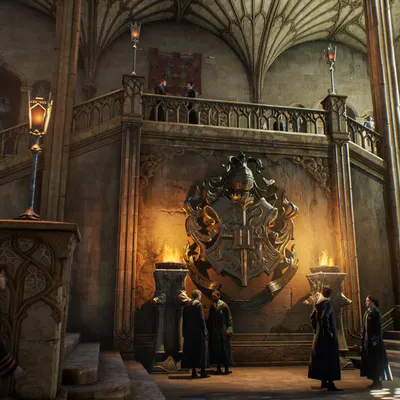
    Avalanche Software succeeds where Hogwarts Legacy mattered most: spells have weight, Hogwarts is rewarding to explore, and magic becomes an actual combat system. The spell weakens when the adventure leaves the castle behind and starts piling on familiar open-world chores.

    Nolind

  • No Man's Sky in 2026 — Ten Years Later, the Promised Universe Finally Exists

    Review

    No Man's Sky in 2026 — Ten Years Later, the Promised Universe Finally Exists

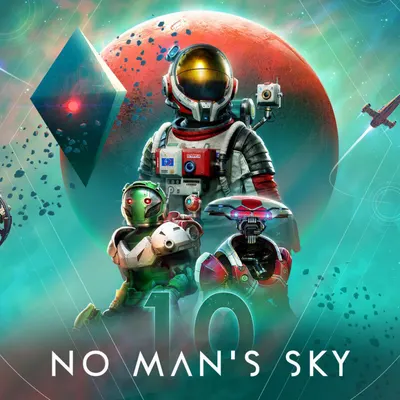
    No Man's Sky is no longer merely a procedural exploration game. Base building, settlements, habitable ships, community expeditions, creature training and space wars have accumulated for ten years without erasing its simplest pleasure: landing somewhere simply to see what lies beyond the hill.

    Kader

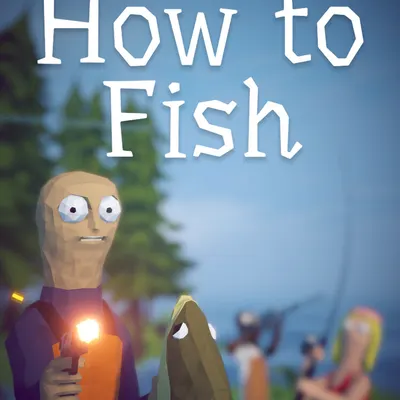
  • How to Fish review: behind the armed-fish joke is a genuinely good co-op game

    Review

    How to Fish review: behind the armed-fish joke is a genuinely good co-op game

    How to Fish initially looks like a Steam joke: catch something, shoot it, sell it and buy a more ridiculous weapon. Dazed Games has built enough progression, bosses and physics around the gag to sustain several great evenings. With friends it is excellent; alone, considerably less so.

    Kader

  • Clair Obscur: Expedition 33 — The RPG That Turns Every Parry Into a Decision

    Review

    Clair Obscur: Expedition 33 — The RPG That Turns Every Parry Into a Decision

    Sandfall Interactive does not modernize turn-based combat by simply attaching a few QTEs to it: the studio builds a system where timing, builds, and enemy reading constantly reinforce one another. Expedition 33 is generous, occasionally brutal, frequently extravagant, and almost always thrilling to play.

    Nolind

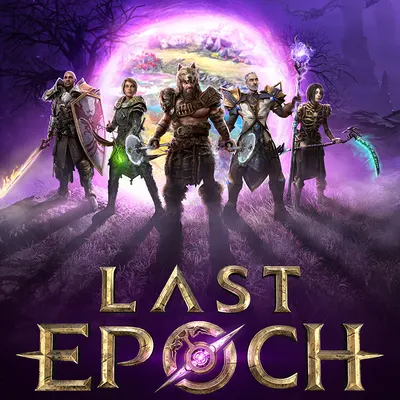
  • Last Epoch: The ARPG That Makes Buildcrafting Pleasant

    Review

    Last Epoch: The ARPG That Makes Buildcrafting Pleasant

    Last Epoch occupies a remarkably comfortable space between Diablo and Path of Exile. Its skill trees, crafting and progression encourage experimentation without turning every build change into a research project. The combat and campaign have considerably less personality.

    Nolind

  • Helldivers 2 in 2026: two years of chaos later, friendly fire is still its best mechanic

    Review

    Helldivers 2 in 2026: two years of chaos later, friendly fire is still its best mechanic

    Helldivers 2 has accumulated a third faction, vehicles, mechs, Galactic Campaigns and dozens of weapons, yet its best idea still requires no expansion: four soldiers wield absurd firepower without ever being completely capable of controlling it. Balance has endured rough periods and Warbonds now crowd progression, but Arrowhead still owns one of the finest cooperative systems in the genre.

    Hugat

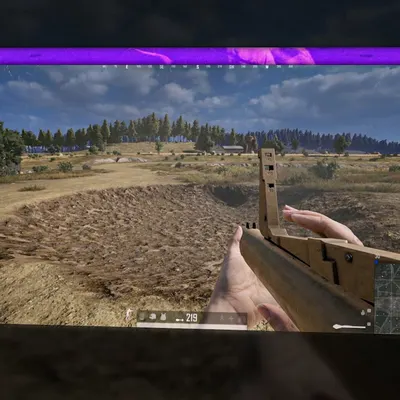
  • PUBG in 2026: nine years later, no battle royale makes a single bullet this frightening

    Review

    PUBG in 2026: nine years later, no battle royale makes a single bullet this frightening

    PUBG is no longer the technically chaotic 2017 release, but its central idea has barely changed: a huge map, demanding weapons and a shrinking zone that gradually turns waiting into panic. Update 42.3 now deliberately rotates weapon metas as well. The learning curve remains brutal and cheating is still an ongoing fight, but its gunplay and tactical tension remain distinctive.

    Hugat

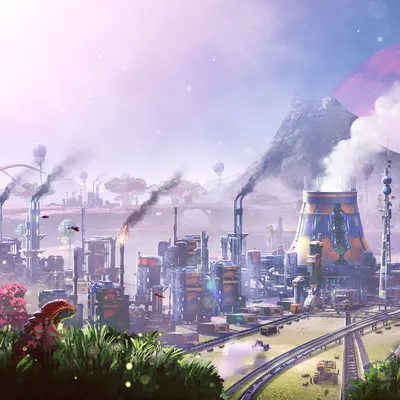
  • Satisfactory: the perfect factory does not exist, and that's exactly why you keep building

    Review

    Satisfactory: the perfect factory does not exist, and that's exactly why you keep building

    Satisfactory turns industrial problems into an almost endless chain of small victories. Every new technology solves one constraint before exposing three more, while three-dimensional construction gives optimisation a spatial dimension few automation games can match. Version 1.2 further refines an already exceptional package, even if exploration and combat remain far behind the factory-building.

    Nolind

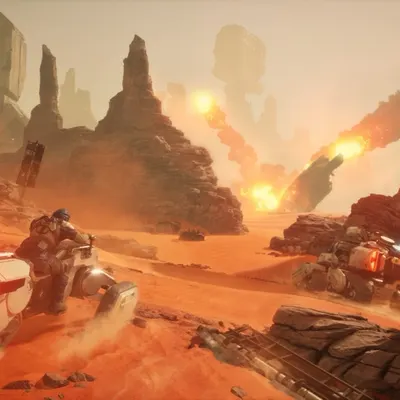
  • Dune: Awakening: Funcom fixed its endgame direction, but not Arrakis' repetition

    Review

    Dune: Awakening: Funcom fixed its endgame direction, but not Arrakis' repetition

    Dune: Awakening is meaningfully better today than the game reviewed at launch. Deep Desert PvP is now entirely optional, Chapter 3 added specialisations and more late-game activities, and progression has more reasons to continue. What has not disappeared is weak AI, interchangeable camps and far too much resource gathering between its great moments.

    Hugat

  • Forza Horizon 6: Japan makes a familiar formula brilliant all over again

    Review

    Forza Horizon 6: Japan makes a familiar formula brilliant all over again

    Playground Games barely reinvents its formula, but chooses the perfect setting to demonstrate why Horizon still dominates open-world racing. Mountain passes, Tokyo, wristband progression and more than 550 cars create an exceptional driving playground, even if the reward economy remains far too generous.

  • Splatoon Raiders: Nintendo turns Salmon Run into a build-making machine

    Review

    Splatoon Raiders: Nintendo turns Salmon Run into a build-making machine

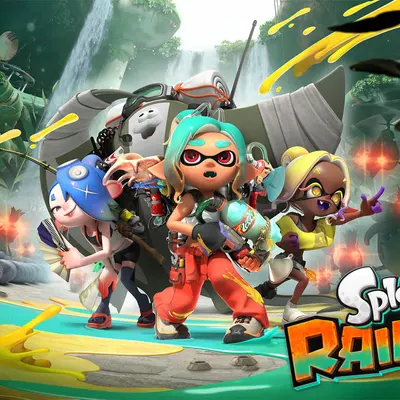
    Splatoon Raiders abandons Turf War for a PvE looter shooter where every expedition feeds the next. Tanks, gadgets, weapons, modifiers and Salmonid hordes give the formula unexpected depth, although repetition begins to show when too many familiar raid structures return.

  • Big Walk: getting lost with friends finally becomes a mechanic

    Review

    Big Walk: getting lost with friends finally becomes a mechanic

    Big Walk strips away maps, noisy objectives and over-equipped heroes until only the essentials remain: walking, talking and figuring things out together. House House turns proximity voice chat, gestures and even getting separated into genuine co-op mechanics.

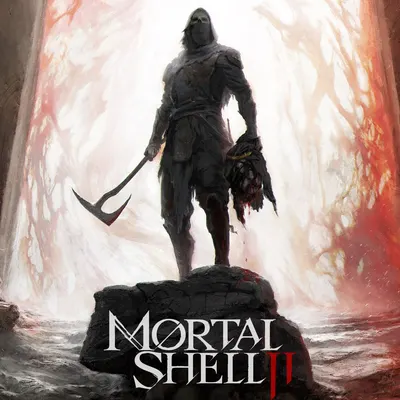
  • Mortal Shell II: removing stamina was far smarter than it sounded

    Review

    Mortal Shell II: removing stamina was far smarter than it sounded

    Mortal Shell II pulls apart several Soulslike conventions instead of merely reproducing them. With no stamina meter, eight Shells, defensive Seals and build-shaping Tarstones, Cold Symmetry creates a much freer combat system than the original.

  • Mortal Shell: sometimes turning into a statue is the best attack

    Review

    Mortal Shell: sometimes turning into a statue is the best attack

    Mortal Shell borrows heavily from Dark Souls, but Harden and its four playable shells alter combat enough to give the game a mechanical identity of its own. Short, dense and uneven, it understands that copying difficulty alone was never enough.

  • Palworld: catching a monster is only the beginning of the problem

    Review

    Palworld: catching a monster is only the beginning of the problem

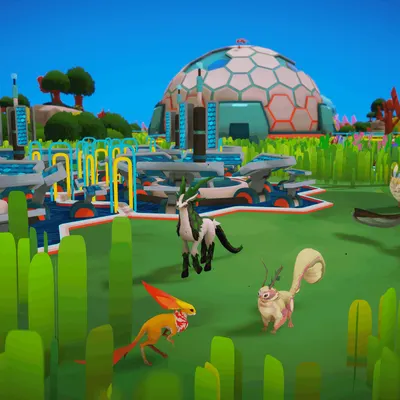
    Palworld 1.0 works because its Pals connect combat, exploration, production, breeding and automation into one progression loop. It is considerably deeper than the old "Pokémon with guns" shorthand, even if base building and some progression quirks still lag behind.

  • The Witcher 3 Still Makes Its Messy Systems Worth Mastering

    Review

    The Witcher 3 Still Makes Its Messy Systems Worth Mastering

    Geralt's movement, inventory and targeting have aged more visibly than the quests around them. Yet the combination of preparation, Signs, alchemy, builds and consequence-driven contracts still gives The Witcher 3 a systemic identity few open-world RPGs have matched.