
Review
Onimusha: Way of the Sword — When the Blades Start Talking, Capcom Is Back at Its Sharpest

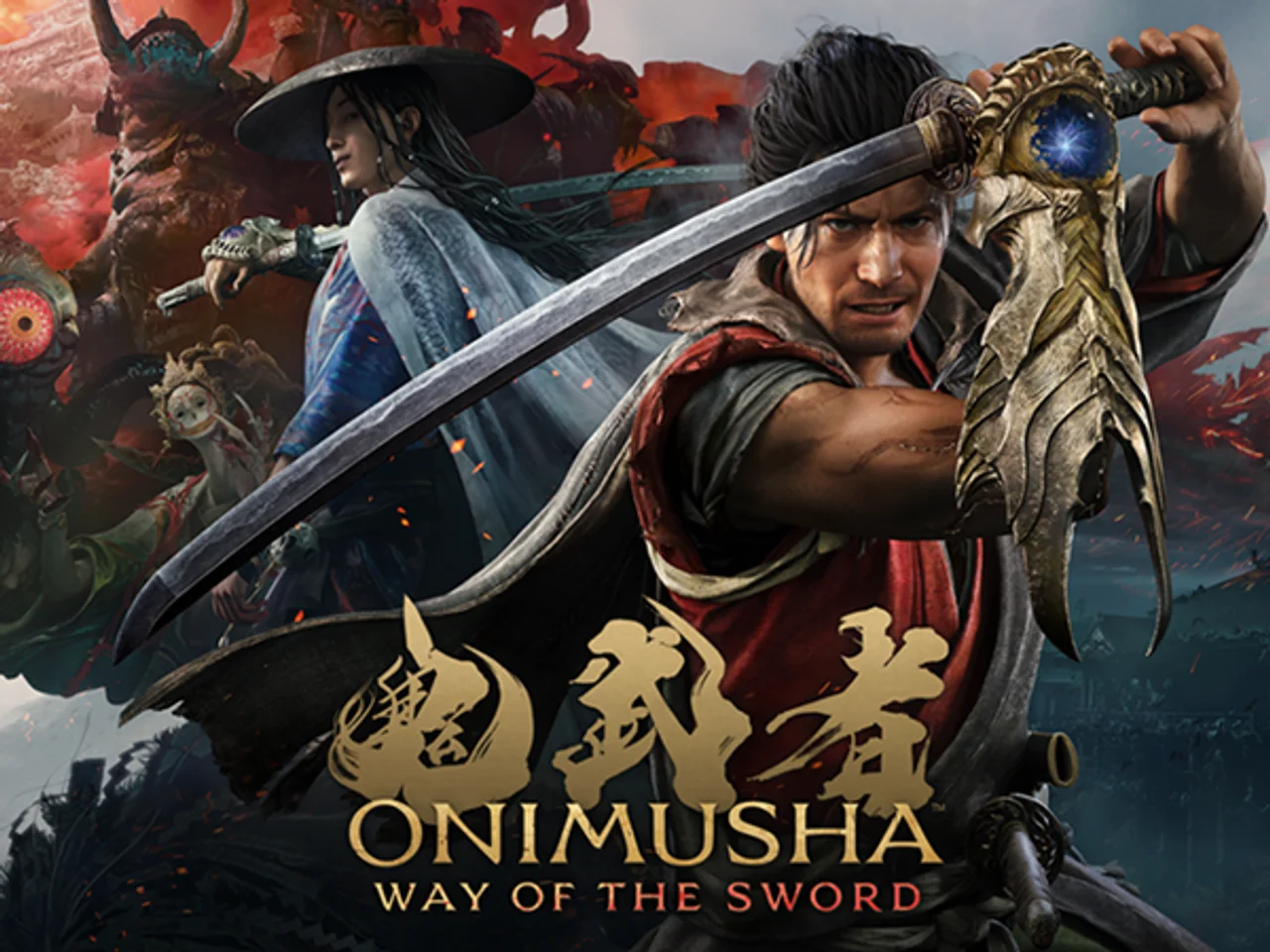
Way of the Sword carries more open-area busywork and material grinding than it needs. The moment an enemy draws a blade, those flaws become much easier to forgive: its combat system is among Capcom's strongest modern action designs.
Way of the Sword's strongest argument lasts less than a second. An attack comes in, Musashi meets it at exactly the right moment, steel cracks against steel and the entire exchange swings in his favour. The spectacle works because the mechanics underneath it are exceptionally clear.
One parry button would not have been enough
Capcom builds a defensive ladder rather than a universal answer. Regular parries feed Musashi's Blazing State. Deflects deal with attacks that demand a different response. Timed dodges matter against another class of threat. Issen asks for considerably more nerve, exposing Musashi in exchange for devastating punishment when the timing lands.
Enemies are designed around those distinctions. The result is less about memorising one perfect rhythm and more about recognising which tool the current strike is asking for.
Physical animation does the rest. Musashi plants his feet, braces into collisions and visibly redirects force. The game rarely needs an extravagant particle storm to sell a hit because the bodies and blades already do the work.
Boss fights turn the system into a language
The review consensus is especially strong around the bosses. They can be punishing, but their attack patterns tend to stay readable enough that failure teaches something useful.
Enemy stamina is as important as health. A disciplined defensive sequence creates offensive opportunity, and Oni Armaments add a resource layer that rewards using power at the right moment rather than hoarding it forever.
At its best, Way of the Sword makes aggression and patience dependent on each other. Press too hard and Musashi gets opened up. Wait forever and the player gives away the initiative.
The first hours undersell the game
Capcom takes too long to reveal how much is going on. The opening steadily drip-feeds mechanics, while ordinary enemies often fail to pressure the player hard enough to demonstrate why those mechanics matter.
By the midpoint, the toolkit has opened dramatically and the combat becomes one of the game's defining strengths. Reaching that point should not have required quite so much patience.
The weak link is everything built to lengthen the road between fights
Way of the Sword's linear missions have confidence. Kyoto's semi-open connective space often does not.
Upgrade materials scattered around the city turn exploration into routine collection. Small percentage increases to equipment encourage repeated scavenging through streets burdened by gates and strangely restrictive routes.
The problem is not merely that the hub is slower. It operates at a much lower level of design intensity than the swordplay it separates.
Recycled opponents reveal both the flaw and the strength
Boss and miniboss repeats eventually become noticeable. Yet the combat is good enough to give some of those rematches a second purpose.
An opponent who once forced defensive survival can later become an arena for mastery. The player knows the tells, has more tools and can begin taking risks that were unthinkable hours earlier.
That does not excuse every encore. It does prove how much expressive room Capcom has built into a relatively focused control scheme.
The sequel should cut before it adds
Way of the Sword does not need another system piled onto its combat. It needs less material grinding, less connective busywork and fewer repetitions getting in the way of what is already excellent.
When steel is out, this is Capcom action design operating with confidence: readable, physical, stylish and demanding without becoming mechanically bloated.
Onimusha has its reason to exist again.
Strengths
- Parries, deflects, dodges and Issen counters all answer different threats
- Bosses are exceptionally readable and rewarding to master
- Superb physicality in strikes, impacts and blade clashes
- Combat grows into a flexible and expressive toolkit
Weaknesses
- The opening third takes too long to reveal the full combat system
- Material gathering and incremental upgrades hurt the pacing
- Several bosses and minibosses are recycled
- Semi-open Kyoto is much weaker than the focused linear sections
Onimusha: Way of the Sword is at its best whenever it forgets the obligations of a modern big-budget adventure and simply lets two blades meet. Its swordplay is precise, theatrical and increasingly expressive, strong enough to justify the series' return almost by itself.