
Review
The Binding of Isaac: Die, Restart, and Find Out Why This Run Is Different

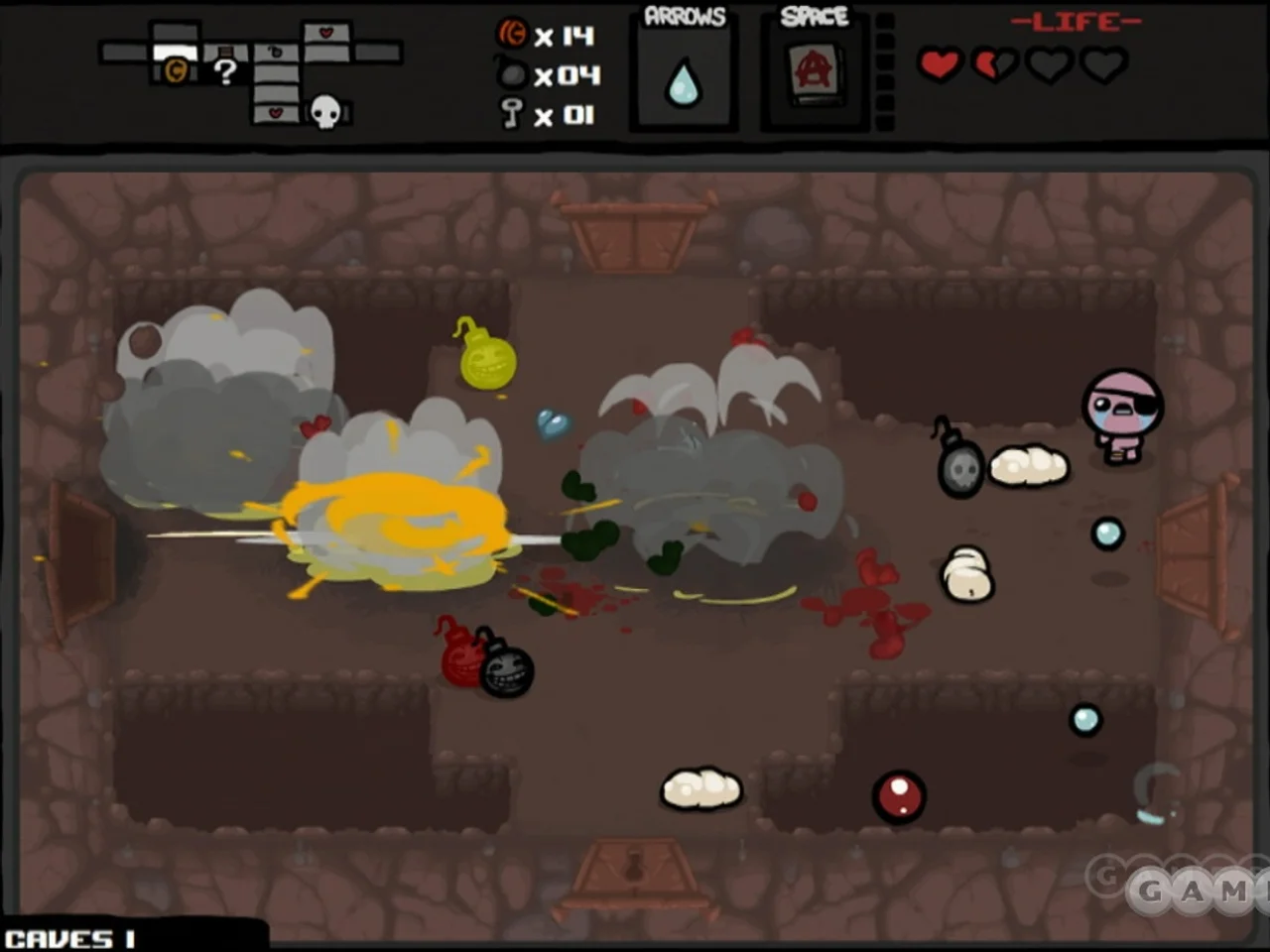
Beneath its rudimentary controls, The Binding of Isaac hides an extraordinarily durable system: random rooms, items capable of transforming an entire run, and permadeath fast enough to make another attempt immediately tempting.
The run begins with almost nothing
Movement, four-direction shooting, bombs, keys and whatever the basement decides to hand over. The Binding of Isaac makes very little effort to impress through mechanical complexity during its first minutes.
That restraint is useful. GameSpot praised how approachable the game remained despite permadeath and substantial difficulty. Rooms usually give the player enough time to understand the immediate threat before demanding execution.
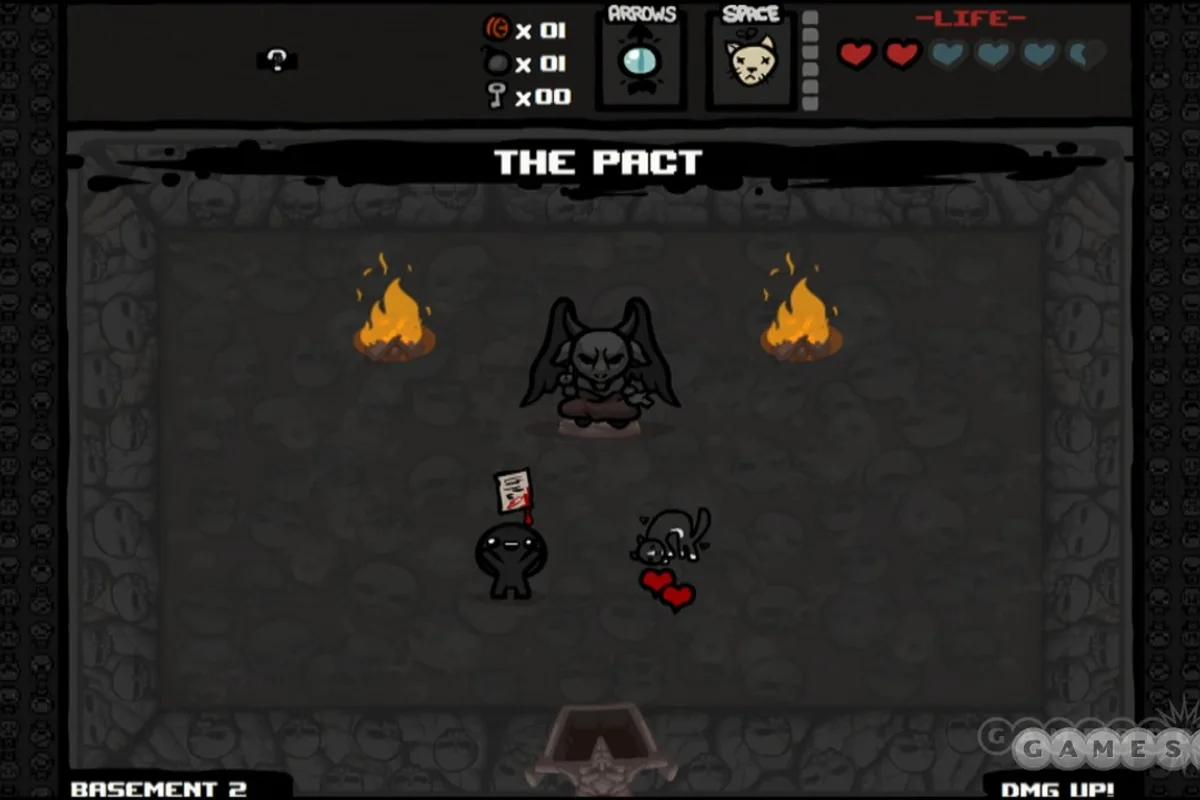
The controls have aged more visibly. Shooting is locked to four directions, and Destructoid already found the input less tight than ideal in 2011. Native controller support is absent from the original release.
Items are where the design opens up
Isaac does not use a conventional experience bar. Power comes from finding objects, and the catalogue quickly stops behaving like a collection of ordinary stat upgrades. Tears change properties, damage shifts, health behaves differently and Isaac's body becomes an increasingly unpleasant record of what has happened during the run.
The stacking effects are crucial. Individual upgrades are easy to understand, but their combinations make the same basic shooting system behave very differently from one attempt to another.
Random rooms provide variation. Random item combinations provide identity.
Failure keeps adding information
Permanent death removes the current run, yet knowledge survives. Boss behaviour becomes familiar. Dangerous room configurations are easier to recognise. An unknown item stops being unknown.
The game also feeds new material back into its random pool as progress is made. Characters, items, floors and bosses expand the range of future runs. Destructoid was still encountering unseen material after more than ten hours, while GameSpot highlighted unlockables as one of the reasons repeated completions remained worthwhile.
Luck occasionally overwhelms that elegance. PC Gamer noted that random generation can deliver runs that feel brutally unfavourable, and a poor item sequence can leave the player doing far more work than a lucky build requires.
Isaac remembers discoveries worse than the player does
The collection system records found items without doing enough to explain them. GameSpot identified this as a notable weakness at release. Experimentation is valuable the first time; repeatedly forgetting what an icon does is a different problem.
Rebirth would eventually become the more comfortable and expansive expression of this design. The 2011 original is still remarkably easy to recognise beneath it: small rooms, permanent death, unpredictable items and the constant suspicion that the next basement might finally produce something absurd.
Strengths
- An exceptionally effective and readable core loop
- Items and combinations give individual runs a strong identity
- Random generation supports remarkable replayability
- Harsh but generally understandable difficulty
- A substantial amount of content unlocks over time
Weaknesses
- Some runs are dramatically more generous than others
- Previously discovered items remain poorly documented in-game
- No native controller support in the original release
- Four-direction shooting can feel rigid
The Binding of Isaac uses very few basic actions, yet its combination of items, randomness and permadeath creates far more depth than its scale suggests. Luck can occasionally deal an absurdly cruel hand, while the lack of useful item documentation forces players to learn through failure. That same uncertainty gives the next run much of its appeal. Rebirth has long surpassed this 2011 version in content and usability, but the original still contains the design architecture that explains why Isaac became an action-roguelike landmark.