News News Official
Double Fine is independent again, and weird little ideas are back at the center of the studio
Double Fine left Microsoft with something studios do not always keep when they exit a large corporate owner: its games. Two months later, Tim Schafer is explaining what that freedom costs and why the company wants to return to an old survival strategy — make lots of strange small things before betting everything on one enormous project.
 By Kader Double Fine Productions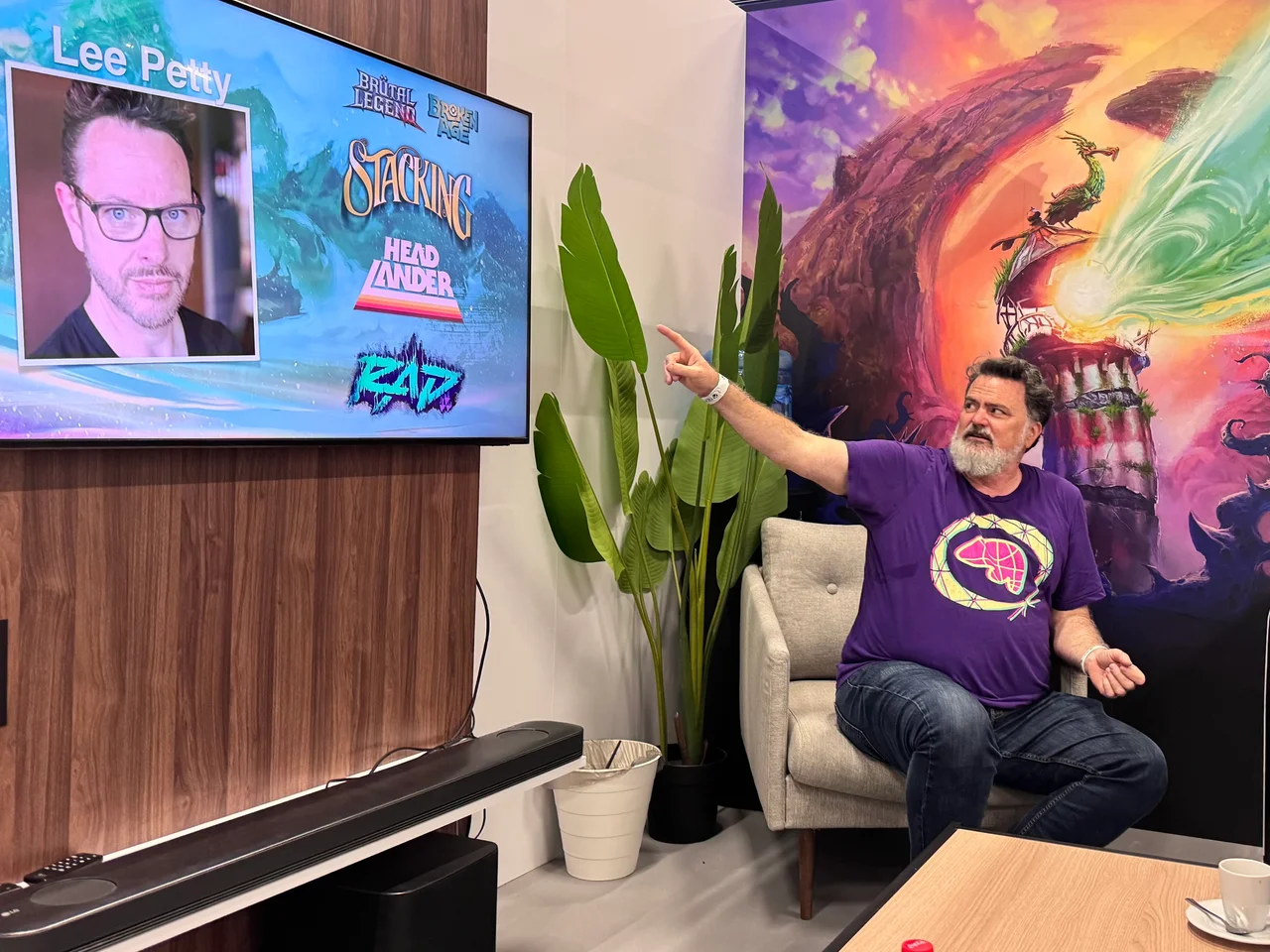
Double Fine officially became independent again on July 6, 2026, seven years after Microsoft acquired the San Francisco studio.
The separation included more than corporate autonomy. Double Fine says ownership of its games was returned to the company.
That matters for a developer with a long catalog including Psychonauts, Brütal Legend, Broken Age and Costume Quest. Schafer describes those older titles as an important part of the economics of independence because they can continue generating revenue long after launch.
Leaving Xbox means funding risk again
Microsoft removed one of Double Fine's oldest recurring problems: constantly finding money for the next unusual idea.
Schafer has spoken positively about those seven years and says Xbox gave the company creative freedom and resources it would not have possessed independently.
Keeper is one example. He argues that a project that unusual would have been extremely difficult for the old independent Double Fine to finance at that scale.
Independence now allows the studio to speak directly with platforms and potential partners again.
It also means the studio has to pay for that freedom itself.
The transition cost 23 jobs
The split did not produce a painless fresh start.
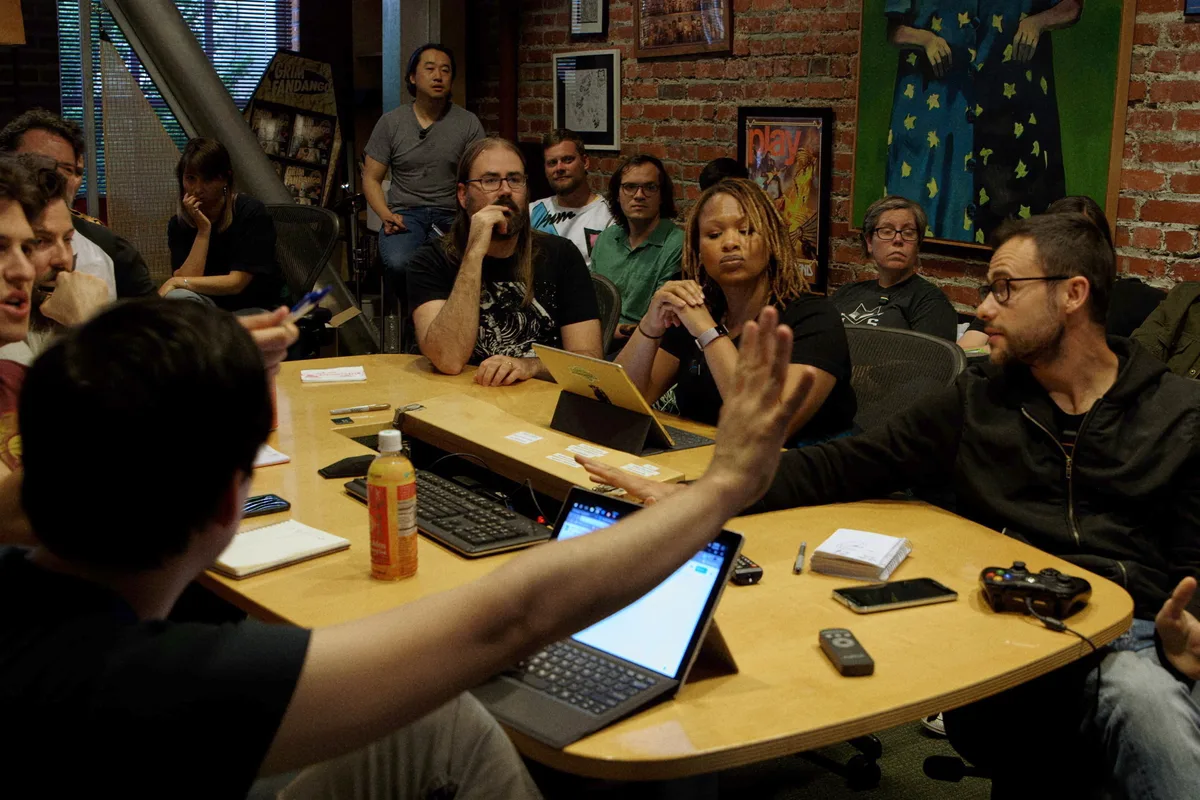
Double Fine laid off 23 employees in late July. Schafer described the cuts as necessary for the survival of the newly independent company and for bringing its spending back to a sustainable level.
He now puts the remaining team at roughly 55 people.
That is much closer to the scale Double Fine operated at before joining Microsoft.
The new business model is designed to survive failure
Schafer's current philosophy is deliberately hostile to enormous all-or-nothing bets.
If Double Fine wants to take more creative risks, he argues, those risks should generally cost less.
That means smaller teams, smaller games and enough parallel ideas that a single commercial disappointment does not threaten the entire company.
Double Fine has used that approach before. Projects including Costume Quest, Stacking and Iron Brigade grew out of Amnesia Fortnight prototypes created when employees temporarily split into small teams to test ideas.
Amnesia Fortnight has become part game jam, part runway extension
The 2026 edition began on September 9.
Employees submitted 26 pitches, and community voting reduced them to four prototypes: Architactics, Bard Crawl, Plot Armor and Uprise.
Those teams now have two weeks to build playable versions.
The process is being supported through a Kickstarter campaign that reached its $400,000 target in roughly 72 hours.
Schafer does not describe that money as enough to finance Double Fine indefinitely. It extends the amount of time the company has to establish sustainable new revenue.
Double Fine Action Labs creates a home for games too small to become blockbusters
The studio is also introducing a label called Double Fine Action Labs.
Its purpose is to release smaller experimental games built by compact teams without forcing every successful prototype to become a multi-year production.
Schafer says these are intended to be finished games rather than unfinished experiments. They can simply remain rougher, cheaper and shorter than the kind of project a large publisher would normally expect from an established studio.
Even Kiln is already changing under the new economics
The consequences of independence are visible in existing games too.
Double Fine has reduced Kiln's standard price to $7.99 and says purchases of its games now directly help support the studio.
Schafer has also discussed changing some multiplayer infrastructure as Double Fine assumes operating costs itself, including greater use of player-hosted systems.
Those choices are not as dramatic as announcing another Psychonauts.
They are the practical side of independence: pricing, servers and operating expenses once again belong to the same company making the creative decisions.
Double Fine recovered freedom, not safety
There is a tempting simple version of this story in which an eccentric studio escapes a corporation and happily becomes independent again.
The 23 layoffs make that version impossible.
Double Fine owns its games again, can choose partners directly and can decide which strange prototypes deserve to exist.
It also has to make enough money to keep roughly 55 people employed.
Schafer's answer looks remarkably similar to one that worked before Microsoft: build small things, let people take creative risks and expand only the ideas that earn the right to become expensive.
Independence has returned.
So has the risk that comes with it.