
News News Official
Stranger Than Heaven combines brutal fighting with surprisingly elaborate music management
Stranger Than Heaven is scheduled to launch on PlayStation 5 on January 15, 2027. A new October 21 hands-on report from PlayStation provides a closer look at its combat system, daily-activity progression and elaborate music production mechanics. The upcoming RGG Studio title follows Makoto Daito across approximately fifty years of history.
 By Hugat Stranger Than Heaven
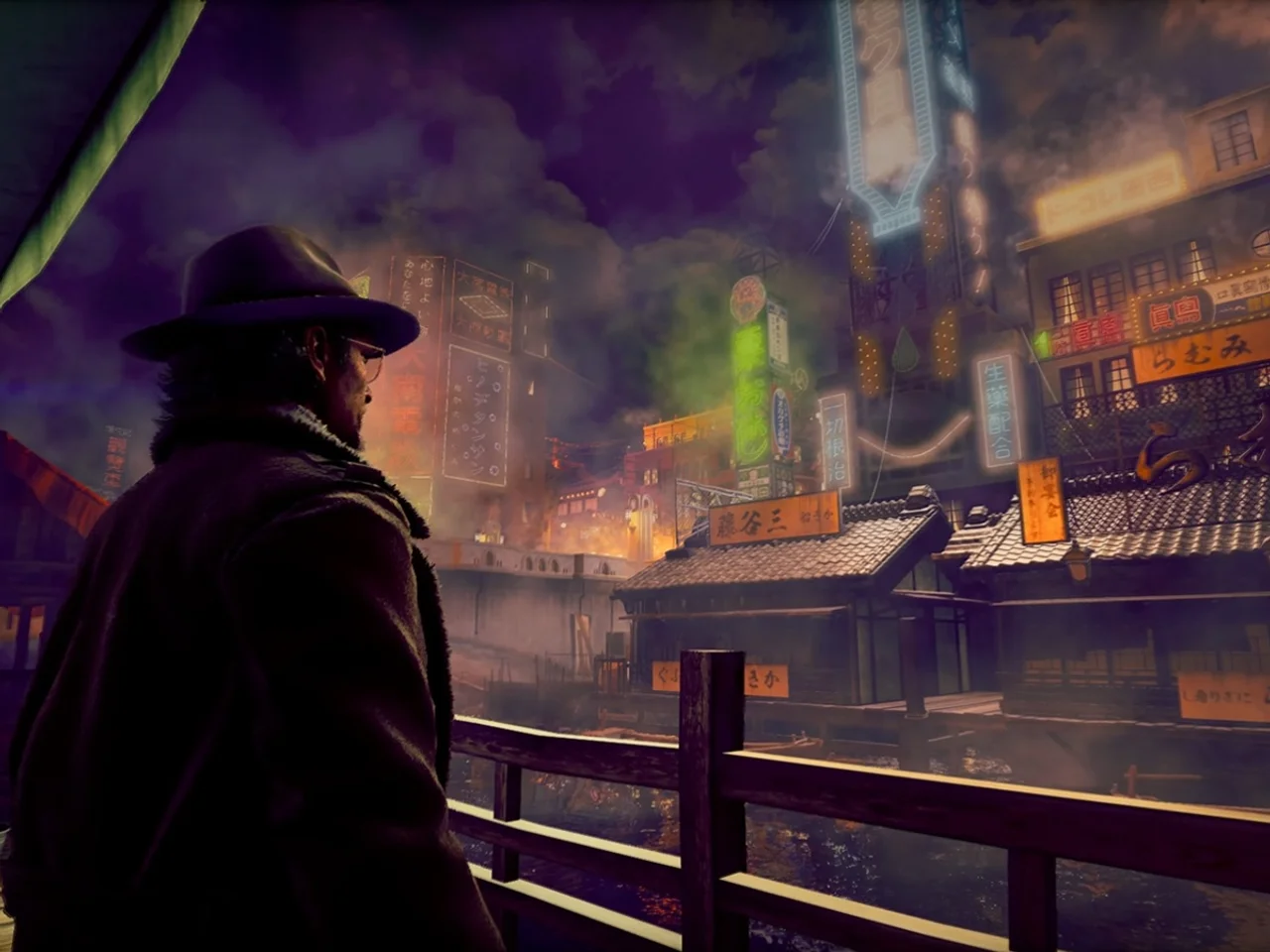
RGG Studio is familiar with street fighting, crime stories and elaborate side activities. Stranger Than Heaven appears determined to bring those elements together in unusually ambitious ways.
The upcoming adventure allows protagonist Makoto Daito to fight with heavy weapons, develop his abilities through ordinary activities and manage live entertainment performances.
A new PlayStation Blog hands-on report covers four sections of the game, offering a more detailed picture of how those systems work.
Combat gives each side of the body separate controls
Stranger Than Heaven uses shoulder buttons and triggers to control the left and right sides of Daito's body independently.
Players alternate attacks between the two sides while adjusting their guard to match incoming strikes.
The intention is to make combat feel directly connected to individual movements rather than relying exclusively on conventional attack combinations.
PlayStation's hands-on account describes weighty blows and particularly forceful animations. That is an observation from the preview session, not a comprehensive assessment of the finished combat system.
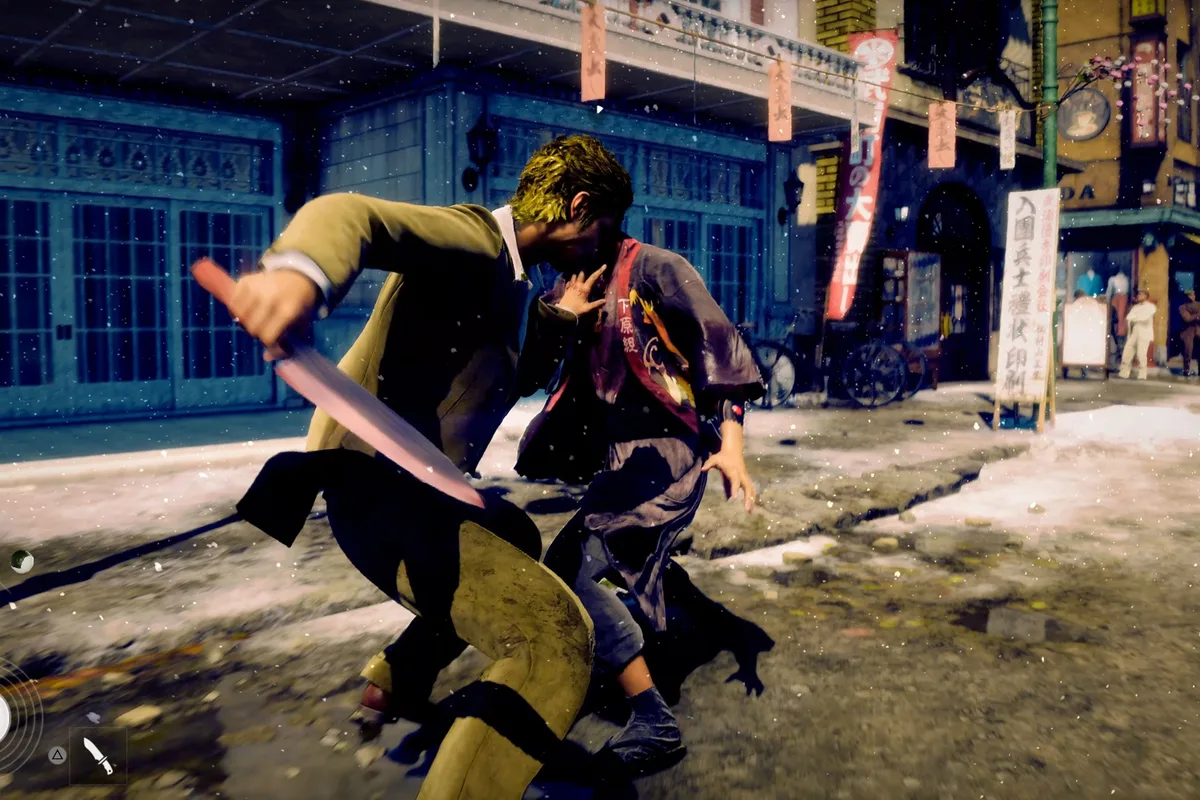
The controls also create potential tactical decisions. Positioning, timing and guarding against multiple opponents become important considerations during a prolonged fight.
Weapons introduce trade-offs
Compact one-handed weapons support rapid attacks but leave Daito's other hand relying on weaker unarmed strikes.
Heavy weapons, including sledgehammers, deliver stronger blows but have longer recovery periods that can expose the player to counterattacks.
The preview suggests that different situations favor different equipment. A quick weapon may be convenient against individual opponents, while a sledgehammer can help against groups.
PlayStation's preview found heavy weapons particularly useful during crowded encounters, although that does not establish a definitive balance ranking for the complete game.
An arena rewards additional restrictions
The 1929 Kure chapter includes an arena where players can challenge opponents for rewards.
Previously defeated enemies can be challenged again under additional conditions, such as completing the fight without weapons.
Meeting those restrictions provides bonus rewards, while failing to follow them reduces the payout.
This creates opportunities to revisit encounters using different approaches rather than relying only on increasingly difficult enemies.
Ordinary activities help develop Daito
Producer Hiroyuki Sakamoto explains that Daito's health- and spirit-related attributes improve through everyday actions such as walking around town or reading newspapers.
Weapons also have proficiency levels that increase their effectiveness through continued use.
Additional combat techniques can be learned through minigames and side stories.
The approach connects exploration and secondary activities to character development, although the complete progression balance has not yet been demonstrated.
Music production becomes a major gameplay system
The 1943 Osaka chapter introduces show business, allowing Daito to produce live performances.
Players gather sounds known as Inspiration throughout the world, including during exploration and combat.
Even feeding a stray dog may produce a useful sound. Certain inspirations can only be discovered at specific times.
Collected inspiration can be brought to a composer to create songs. Individual compositions support multiple arrangements, with instruments changing the overall musical atmosphere.
This system connects music creation with environmental discovery rather than treating composition as an isolated menu.
Live shows combine budgeting and performance
Once a composition is ready, players must organize a show.
They choose performers, musicians and stage effects, balancing production expenses against expected revenue.
Each performance has a financial target. During the show, Daito operates lighting and other stage effects through on-screen inputs.
Successful execution improves the presentation and increases revenue.
PlayStation's account suggests that preparation may be more important than rhythm-game reflexes, with song selection, cast management and staging determining much of the result.
Compositions can also survive across time periods, allowing music created in one chapter to be performed decades later.
The final game still has questions to answer
The preview covered San Francisco and Kokura in 1915, Kure in 1929 and Osaka in 1943.
These sections demonstrate the range of locations and gameplay systems, but do not establish the complete structure of the adventure.
The overall campaign length, later chapters and the extent to which the systems interact remain unknown.
Stranger Than Heaven is scheduled for January 15, 2027, on PlayStation 5.
The central challenge for RGG Studio will be connecting its violent combat, historical exploration and elaborate show-business mechanics into one coherent experience.