
News News Official
Stranger Than Heaven wants Makoto Daito to learn alongside the player
Stranger Than Heaven does not begin with another seasoned RGG Studio brawler. Makoto Daito is meant to start inexperienced, then develop as both the story and the player's understanding of the combat system advance.
 By Hugat Stranger Than Heaven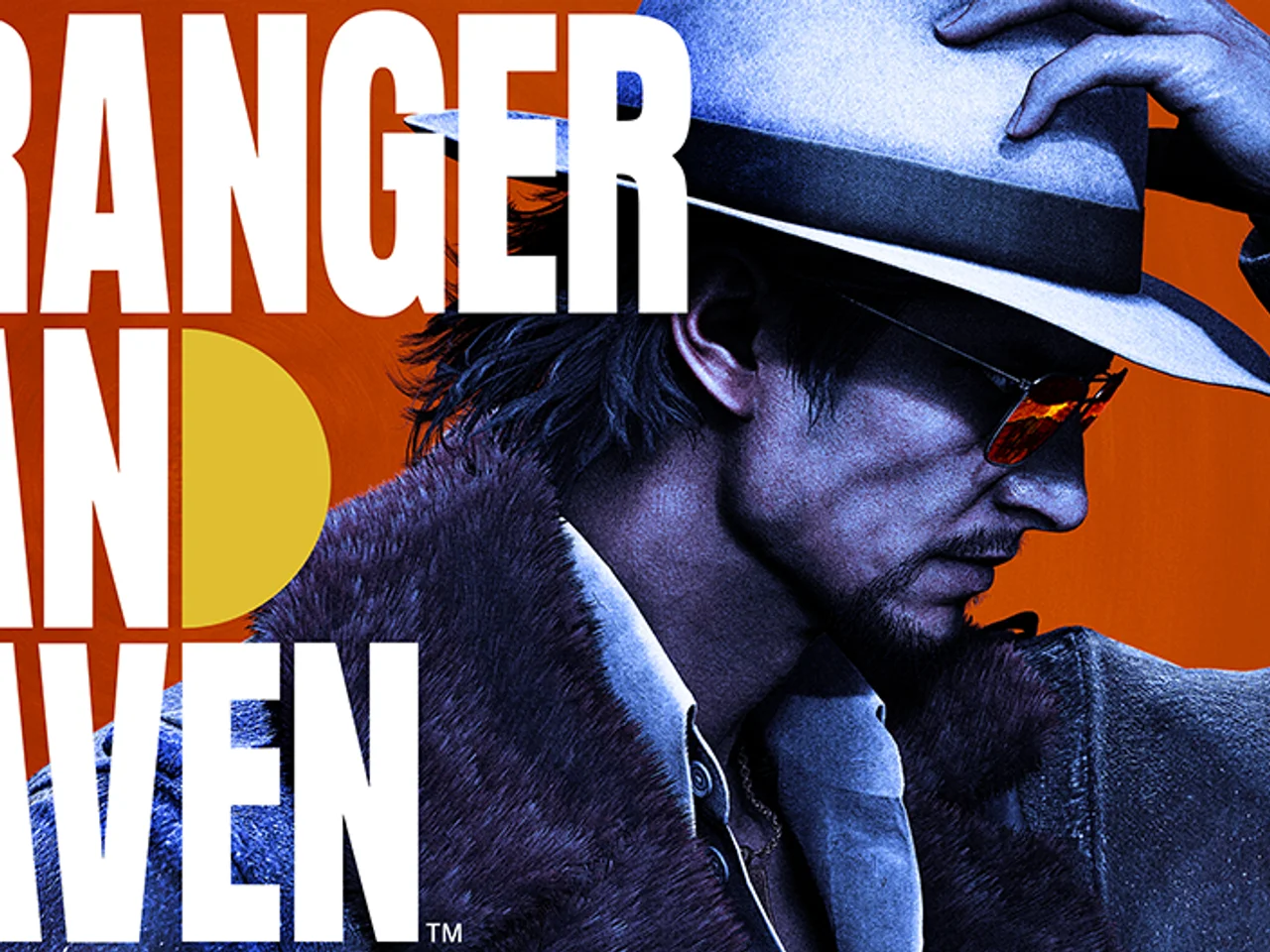
RGG Studio has spent years designing protagonists who can walk into a room and immediately look as though fighting ten people is a perfectly reasonable afternoon plan. Makoto Daito creates a different problem. His story begins young and stretches for roughly fifty years, so his abilities cannot feel fully formed from the opening hours.
Producer Hiroyuki Sakamoto and director Mikinobu Abe told Famitsu at Gamescom 2026 that the team used Stranger Than Heaven as an opportunity to reconsider assumptions inherited from Like a Dragon. That includes the relationship between narrative progression and difficulty.
Combat progression becomes character progression
The intention is for Daito's growth to roughly mirror the player's. Early in his life he lacks the experience of an established fighter, while later chapters can ask more of the player as the protagonist himself becomes more capable.
That makes difficulty part of the character arc. Learning how to read attacks and use the game's systems is supposed to happen alongside Daito learning how to survive the increasingly violent world around him.
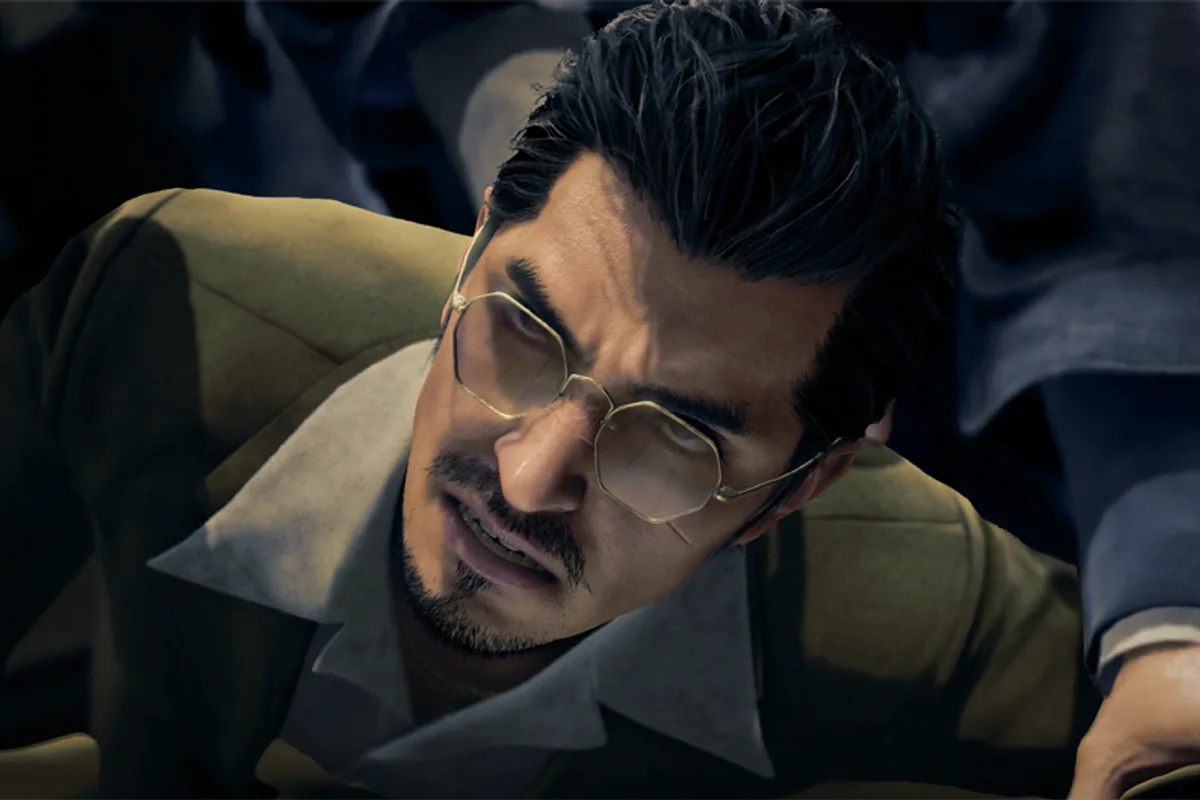
SEGA has already shown how far the combat departs from a straightforward Like a Dragon template. Players can use the left and right sides of Daito's body independently, block with one hand and counter with the other, tackle staggered enemies and continue attacking them on the ground. Knives, hammers, katanas and other weapons can also be developed across the game.
One life crossing five different Japans
The scale extends beyond the fighting system. Stranger Than Heaven moves through Kokura in 1915, Kure in 1929, Osaka in 1943, Atami in 1951 and Shinjuku in 1965. These are not five chapters sharing one modern city with a different coat of paint; each period requires its own architecture, streets and social atmosphere.
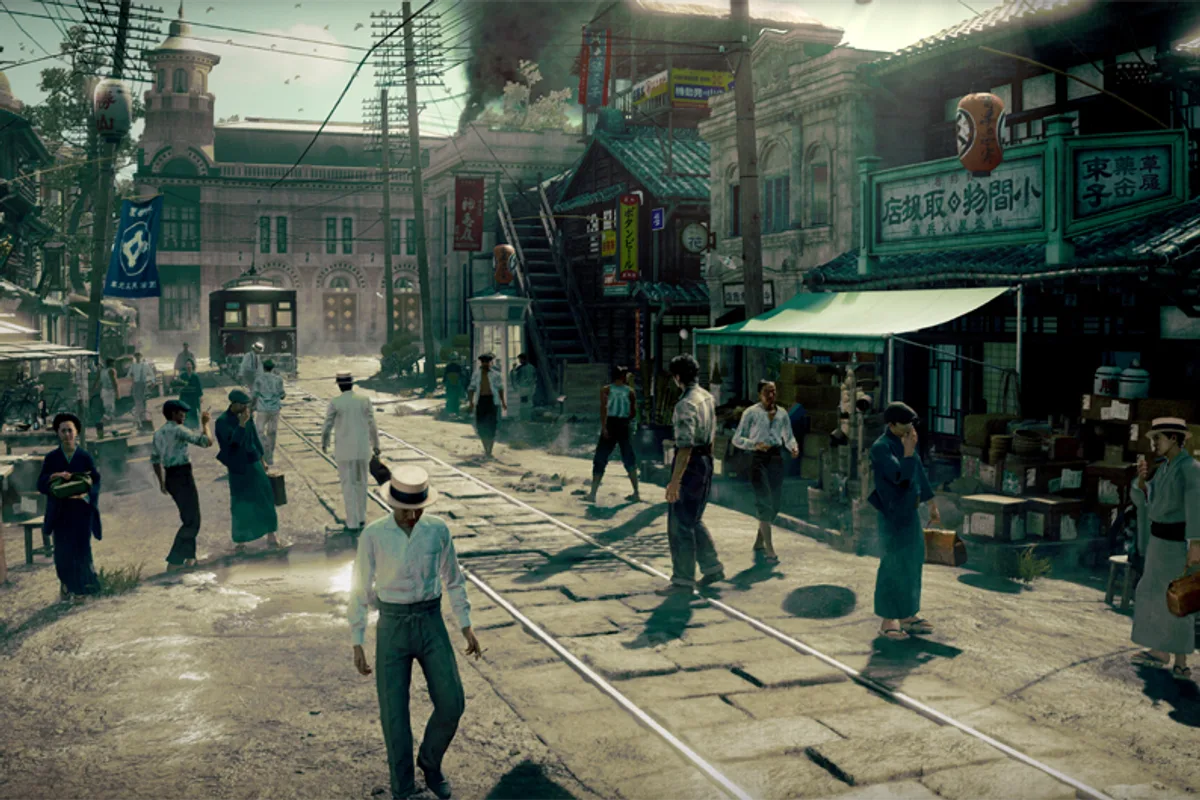
Abe described the production challenge in fairly practical terms during the interview: building five eras and five cities creates a huge amount of work. The connective tissue is Daito himself, whose life is intended to run through the entire game as one continuous journey rather than a set of disconnected historical episodes.
RGG's other obsession is on stage
Violence is only one side of Daito's career. Stranger Than Heaven also turns him into a showman who scouts performers, records noises from the environment to create music and assembles productions with chosen casts, set lists and staging.
Stranger Than Heaven launches on January 15, 2027 for PC, PlayStation 5 and Xbox Series X|S, with Xbox Game Pass availability planned for day one.