
Review
Elden Ring — The open world that finally understands why exploration matters

FromSoftware expands its demanding Souls formula into a vast open world without losing its identity. Repetition and late-game balance issues remain, but player freedom fundamentally changes how the formula works.
Elden Ring's smartest difficulty option is sometimes simply going somewhere else.
That sounds ordinary for an open-world game. For FromSoftware, it changes almost everything. A boss that would have been a hard gate in an earlier Souls game becomes one problem among dozens scattered across the map.
Exploration doubles as progression
GameSpot's original review identified the crucial relationship early: roaming the Lands Between is not separate from character growth. Wandering off can produce a weapon, summon, flask upgrade, spell, level or piece of information that changes the fight you abandoned an hour earlier.
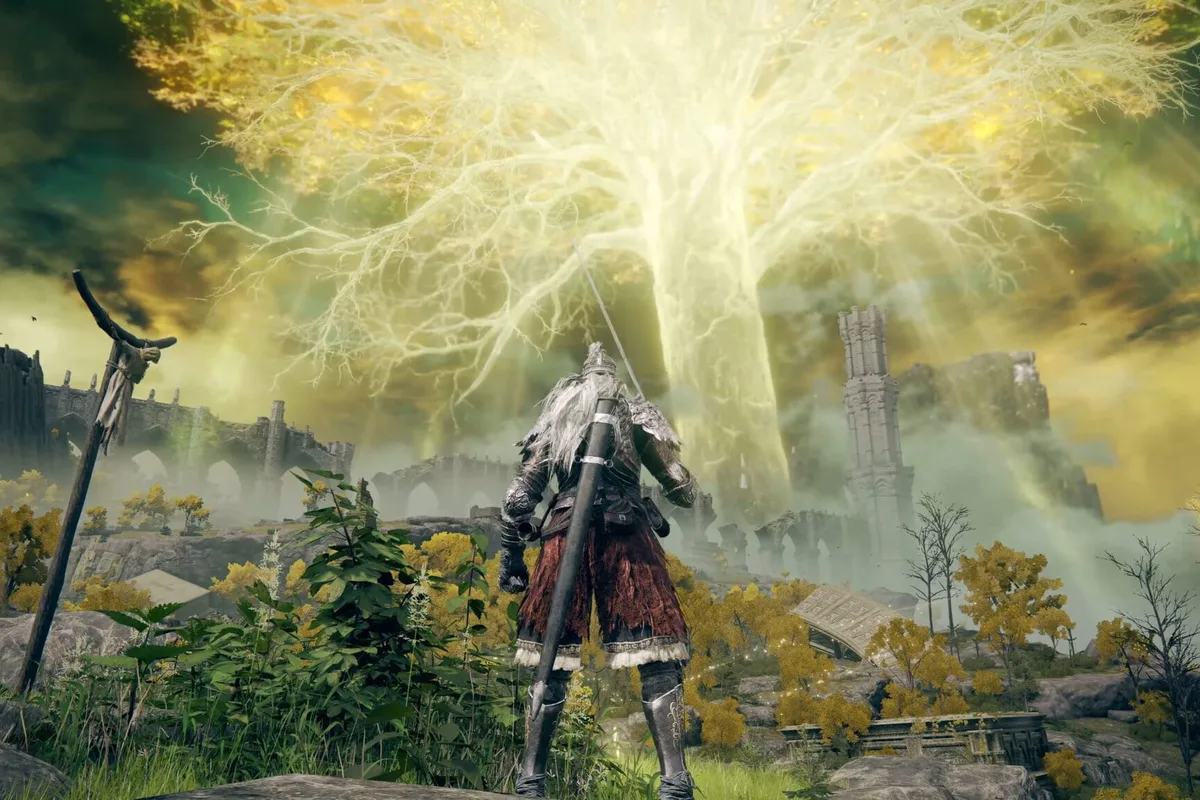
That gives players agency over difficulty without turning Elden Ring into an easy game. Its enemies still punish hesitation and panic. The difference is that repetition is no longer the only answer to failure.
Legacy Dungeons preserve FromSoftware's densest design
Stormveil Castle, Leyndell and the strongest major areas prove that FromSoftware has not abandoned the folded, vertical architecture that made Dark Souls memorable.
The overworld provides scale and surprise. Legacy Dungeons compress that freedom into spaces where staircases, elevators, rooftops and locked doors continuously reconnect.
Elden Ring works because it has both.
Build freedom is enormous
Weapons, affinities, Ashes of War, sorceries, incantations, status effects and Spirit Ashes create an absurd number of viable approaches.
That breadth is also why difficulty debates around Elden Ring often become slightly ridiculous. Summons are not an exploit accidentally left in the game. Neither are bleed builds or powerful weapon skills. FromSoftware deliberately built multiple routes through its combat system.
Scale eventually creates repetition
PC Gamer's 2022 criticism remains fair. Elden Ring reaches extraordinary heights while also repeating some familiar FromSoftware material.
Minor dungeons begin to reuse visual templates. Several bosses return with altered contexts or additional companions. The first encounter with a strange creature is often magical; the fourth can feel like maintenance.
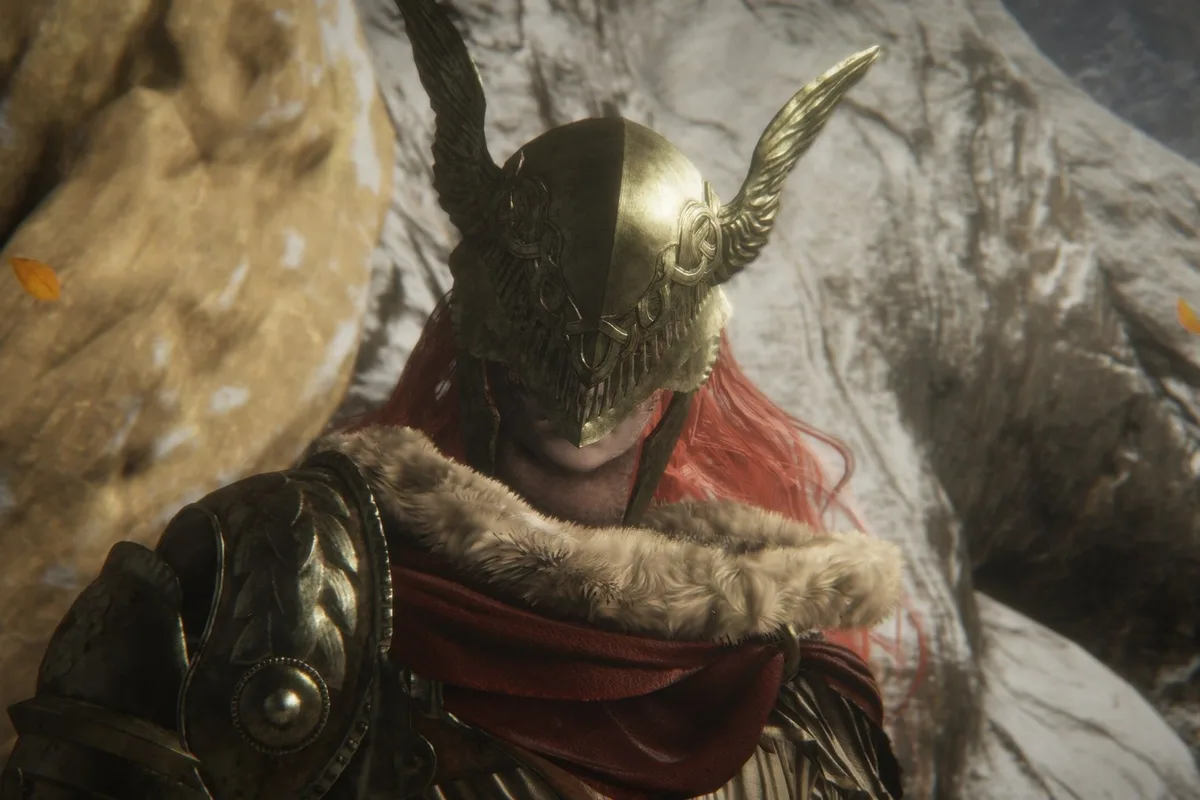
The major bosses generally survive this problem because their animation, spectacle and mechanical identity remain so strong.
The late game can become an arms race
Enemy damage rises sharply in later regions, and several bosses combine long combos, delayed swings, mobility and large area attacks.
Players possess equally outrageous tools by then. That is both the solution and the balancing problem. A highly optimized setup can dismantle encounters that feel punishing with a conservative build.
Patch 1.17 does not alter the fundamental verdict
FromSoftware's August 2026 update added Tarnished Pack support, including two new starting classes, additional equipment and Torrent cosmetics for owners of the DLC.
None of that is why Elden Ring remains essential.
The reason is still the landscape itself: a world large enough to inspire curiosity and disciplined enough to reward it unusually often.
Strengths
- An open world built around curiosity rather than checklists
- Exceptional build and weapon variety
- Legacy Dungeons preserve FromSoftware's strongest level design
- Difficulty can be approached through exploration, summons and multiplayer
- Several of FromSoftware's most memorable major bosses
Weaknesses
- Increasing reuse of bosses and small dungeon templates
- Some late-game encounters lean heavily on extreme damage and lengthy attack strings
- Quest progression can become excessively opaque without external help
- Build balance does not always match the extraordinary breadth of available options
Elden Ring is not flawless: its scale eventually produces familiar catacombs, repeated bosses and a late game whose brutality sometimes exceeds its finesse. Yet its overall structure remains exceptional. Being able to walk away from a wall, discover a weapon that changes an entire build or stumble into a huge region without a quest marker turns exploration itself into progression. It remains one of FromSoftware's finest pieces of game design.