
News News Official
Aeterna Lucis finally locks in December 3 after turning its year-long delay into a rebuild
Aeterna Lucis finally has a date that is more specific than a quarter on a release calendar. Aeternum Game Studios will launch its Metroidvania sequel on December 3, 2026 for $24.99, after spending the extra year not only polishing the game but rebuilding several systems around exploration, lighting and console performance.
 By Kader Aeterna Lucis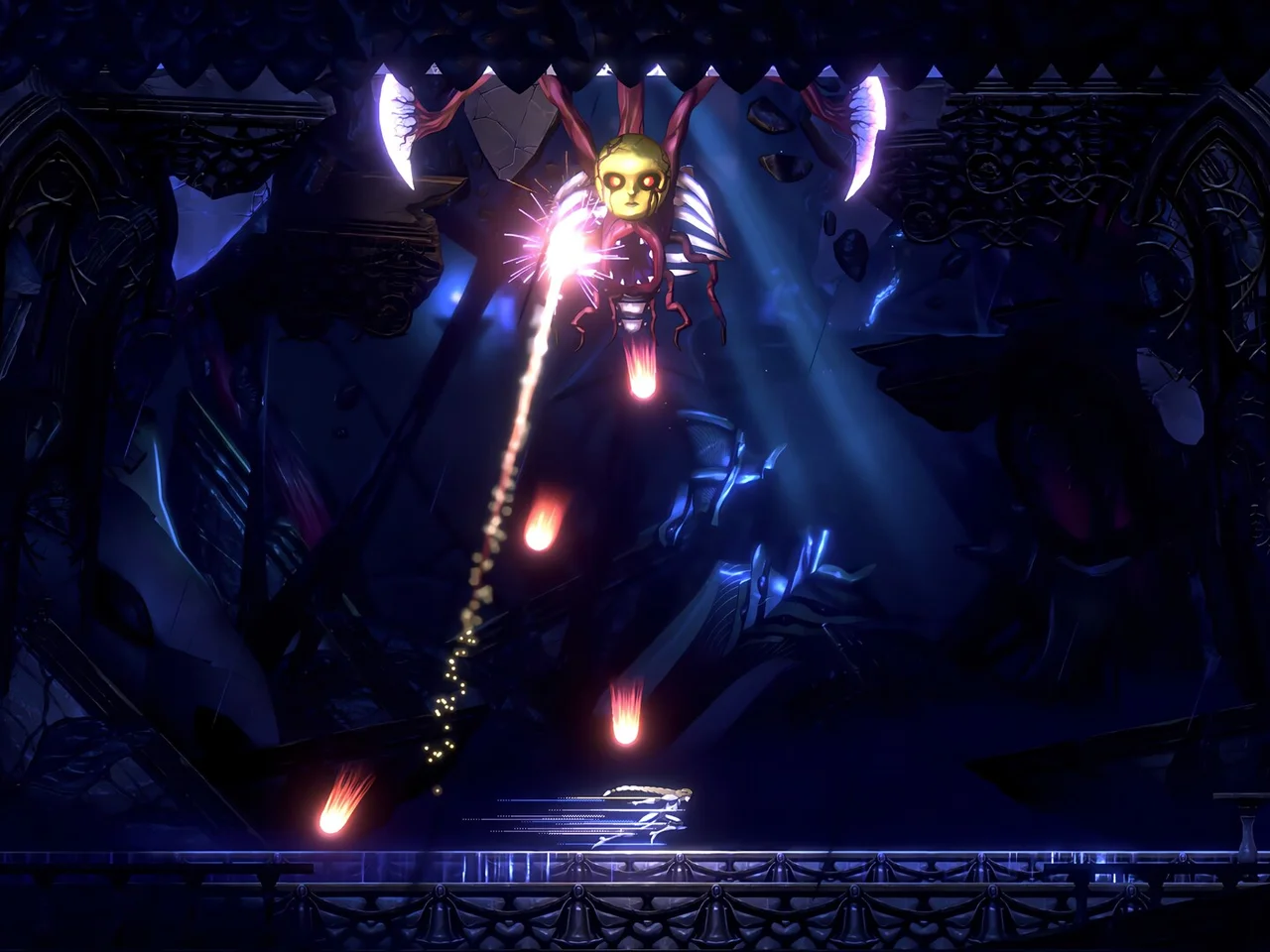
The release is planned for PC, PlayStation 4, PlayStation 5, Xbox One, Xbox Series and Nintendo Switch on the same day.
That matters because the original September 2025 window disappeared for two very public reasons. Aeternum Game Studios did not want to launch alongside Hollow Knight: Silksong, and the team said it still lacked all of the development kits required to guarantee the simultaneous console release it wanted.
At the time, the studio described the game itself as essentially complete and the delay as an opportunity for refinement. The September 10 announcement now frames those extra months more aggressively: several technical foundations have been rebuilt.
The world is supposed to flow without loading breaks
Aeterna Lucis is now being presented as one continuous interconnected world with traditional loading screens and artificial scene transitions removed from traversal.
That promise matters more in a Metroidvania than it would in many action games. Backtracking is not an edge case here; it is part of how the map works.
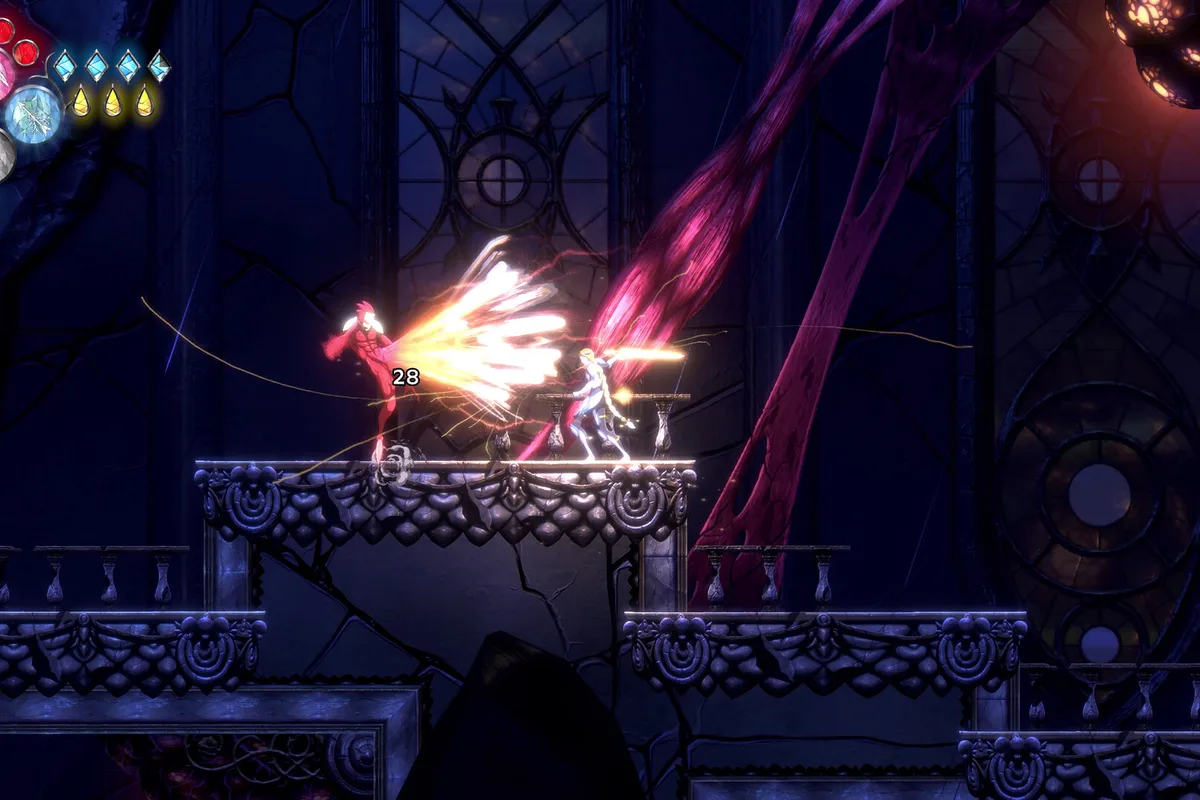
The familiar ingredients remain. The sequel is still built around fast combat, precision platforming, optional routes, secrets and abilities that gradually open new areas.
Its map is becoming an illustrated version of the actual rooms
The studio has replaced a more abstract map representation with miniature visual depictions of each chamber, including recognizable background elements.
The goal is straightforward: players should be able to recognize where they were from the room itself rather than decoding a generic shape on the map.
It is the kind of interface change that sounds small until a game expects hours of repeated navigation through the same interconnected spaces.
Aeterna and Lucis modes split accessibility from punishment
The sequel will launch with two distinct difficulty experiences. Aeterna Mode is designed around a more forgiving curve for players primarily interested in exploration, story and platforming.
Lucis Mode targets players who want the harsher version: demanding bosses and precision sections intended to preserve the challenge associated with Aeterna Noctis.
Rather than trying to force both audiences through one compromise, the game is openly separating them.
Lighting is doing more than making the screenshots prettier
A new real-time dynamic lighting system is designed to react to weapons, projectiles and enemies. That sits naturally inside a sequel led by the Queen of Light, but it also gives the hand-drawn environments another layer of movement.
The stained-glass visual language returns elsewhere. A new lore system uses stained-glass sequences to explain the wider Aeterna universe, with the explicit goal of making Lucis approachable without requiring complete knowledge of the first game.
The console work has been rebuilt too, according to the studio
Aeternum Game Studios says save systems, data handling and platform-specific performance pipelines were reworked during the delay. The studio is promising stable frame rates and responsive controls across the target platforms from day one.
Those remain developer claims until the final builds can be measured independently, particularly on the older consoles and Nintendo Switch.
The important part for now is much simpler. After more than four years of development and an extra year spent away from its original launch window, Aeterna Lucis is scheduled for December 3.