
Review
Splatoon Raiders: Nintendo turns Salmon Run into a build-making machine
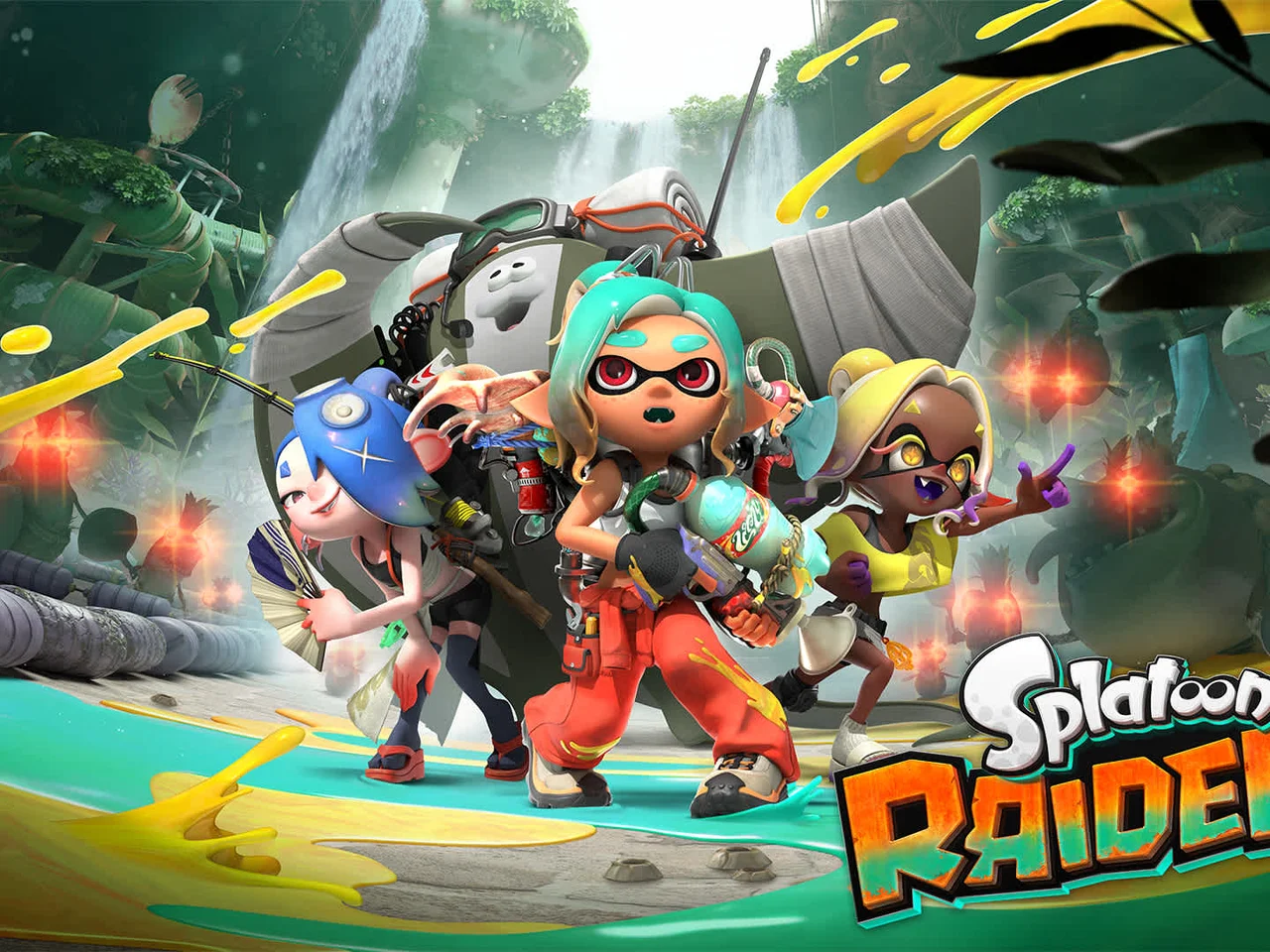
Splatoon Raiders abandons Turf War for a PvE looter shooter where every expedition feeds the next. Tanks, gadgets, weapons, modifiers and Salmonid hordes give the formula unexpected depth, although repetition begins to show when too many familiar raid structures return.
Splatoon Raiders becomes interesting when the question stops being which weapon is strongest and becomes what can be built around it.
Its Speed, Power and Tactical tanks are not cosmetic class labels. They reshape mobility, aggression and battlefield control, then open into upgradeable gadgets and modifiers.
Salmon Run provides the skeleton
GameSpot sees Raiders as an almost natural expansion of Salmon Run. Salmonids return, along with the need to prioritise threats when different enemy types flood the same arena.
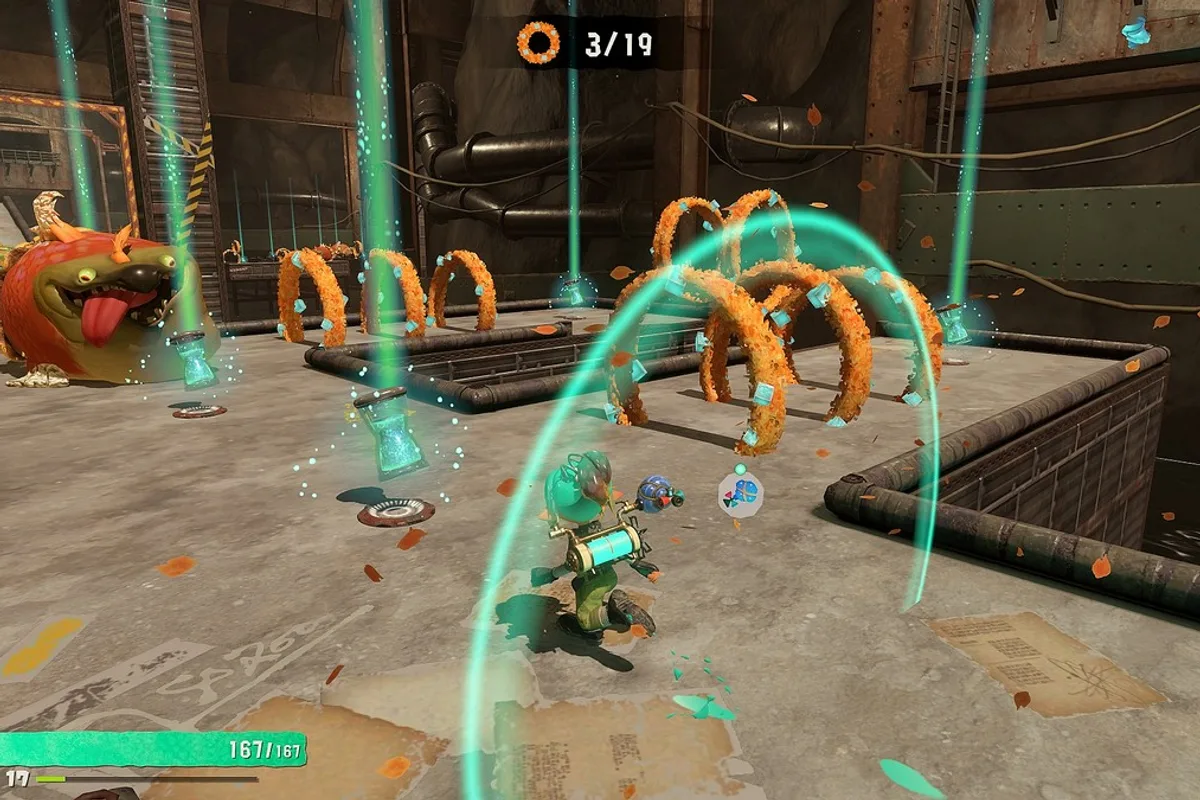
The major difference happens after the fight. Crystals, weapon drops and gadget parts feed directly into the next build.
Short raids make the loot loop work
Many missions run for roughly ten minutes according to GameSpot. That length is crucial: a raid is long enough to create pressure but short enough that returning to the hideout to inspect a new weapon rarely feels like an interruption.
Game Informer describes the resulting “one more raid” pull particularly well. Progress is almost always close enough to justify another attempt.
Three tanks create genuinely different toolsets
The Speed tank emphasises movement and ranged options. Power rewards direct aggression. Tactical introduces turrets, vortexes, trip-mines and other ways to manage a crowd without personally shooting every threat.
TechRadar reports more than one hundred weapons on top of these systems. Combined with upgradeable gadgets and selectable ultimate abilities, Raiders contains far more buildcraft than a simple Salmon Run spin-off would suggest.
Progression can discourage the experimentation it advertises
GameSpot identifies an important friction point. Once one tank has received substantial investment, switching to a less-developed alternative can feel like deliberately making the game harder.
The system constantly gives players new ideas, but its upgrade economy does not always make trying those ideas equally attractive.
Switch 2 horsepower feeds directly into encounter design
Nintendo's development interview explains that the team deliberately experimented with far greater numbers of Salmonids once the project moved to Switch 2.
That created a design problem because Salmon Run enemies had originally been balanced around four people. Gadgets emerged partly as a solution, giving one player ways to manage threats outside their immediate field of view.
Co-op remains optional rather than corrective
Up to three other players can join locally over wireless or online, with automatic power scaling between differently progressed characters.
Game Informer reports smooth pre-release multiplayer sessions, but the campaign remains designed to work alone. Friends add chaos instead of repairing an incomplete solo mode.
Eventually the structure repeats
Game Informer, Tom's Guide and Destructoid all identify repetition as a late-game weakness. Mission layouts vary, but repeated raid types and familiar objectives eventually become visible beneath the changing equipment.
Strong enemy pressure and build experimentation delay fatigue rather than eliminating it.
Splatoon survives without Turf War
That is Raiders' most important mechanical result. Ink movement, distinctive weapons and Salmonid combat were never dependent on competitive multiplayer.
Nintendo has built a convincing PvE progression game from systems that previously existed beside one another. A sequel would mainly need more reasons to keep changing how those systems are used.
Strengths
- Excellent raid-loot-upgrade loop
- Three tanks create meaningful play styles
- Deep build customisation
- Splatoon's movement remains excellent
- Strong Salmonid horde management
- Four-player co-op integrates naturally
Weaknesses
- Noticeable repetition in the later game
- Switching tanks late can feel punishing
- Some familiar weapons translate poorly to PvE
- Several mission structures are heavily reused
Splatoon Raiders succeeds because it does more than stretch Salmon Run into a longer campaign. It builds a genuine buildcraft economy around movement and combat that were already excellent. Tanks and gadgets add substantial depth to the hordes, while short raids make the loot cycle dangerously effective. Repetition eventually appears, but Nintendo has primarily proved that Splatoon can support a second major branch beside PvP.