
News News Official
Sony rebuilds its PS5 headset range as Pulse Edge doubles the magnets and adds ANC
Sony is not simply replacing one PS5 headset with another. Its refreshed Pulse family now has two clearly separated tiers, with the standard Pulse inheriting technology previously associated with Pulse Elite and Pulse Edge pushing further into premium territory.
 By Maëlle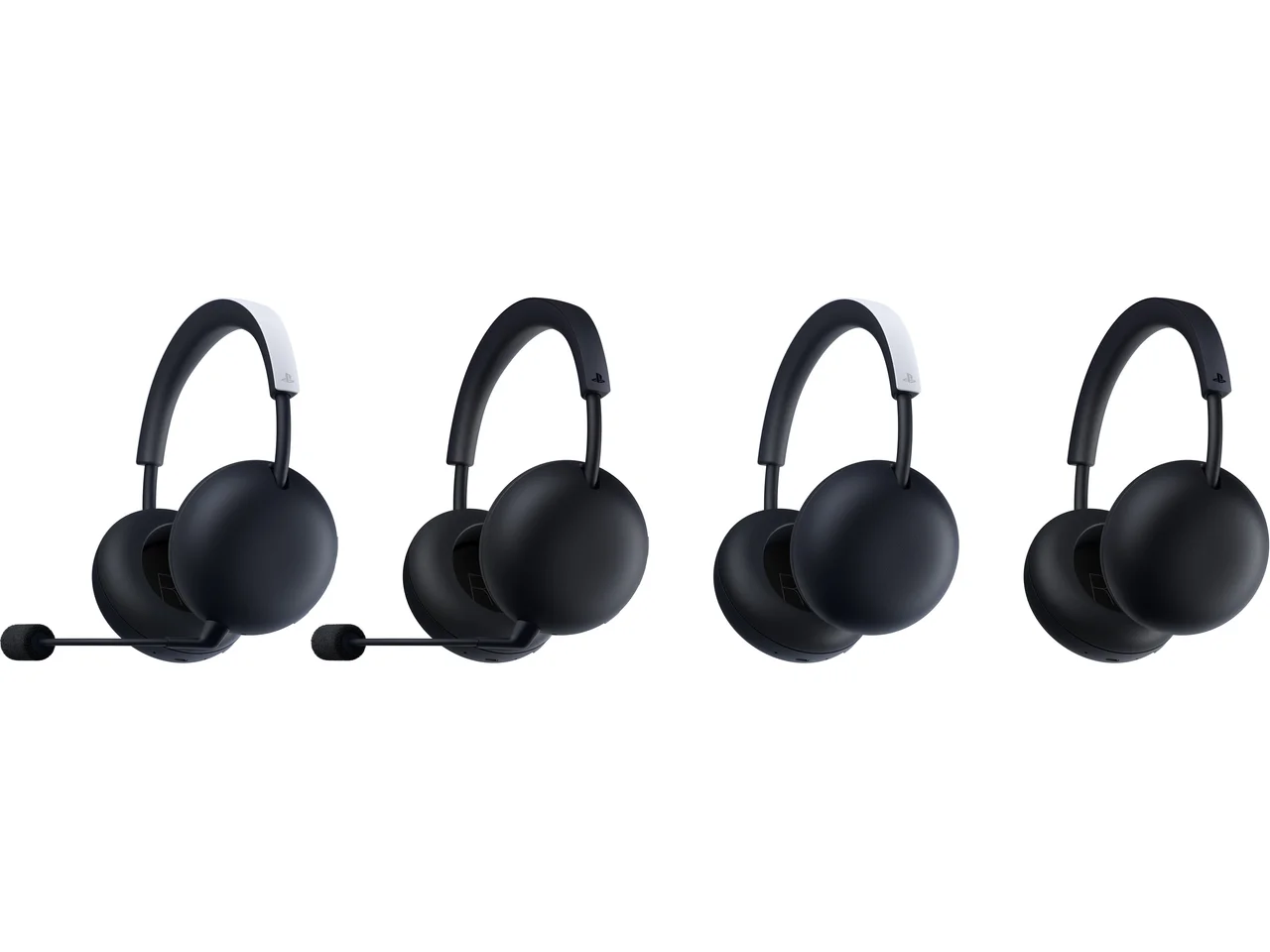
Sony Interactive Entertainment has introduced the PlayStation Pulse Wireless Headset and Pulse Edge Wireless Headset. Both use custom planar magnetic drivers and PlayStation Link, but the hardware split between them is much clearer than the names initially suggest.
The standard Pulse is scheduled to launch in select markets during the 2026 holiday season. Pulse Edge follows in early 2027. Pricing, exact launch dates and preorder timing have not yet been announced.
Planar magnetic drivers become the baseline
The most significant shift may actually be the cheaper model. Sony first brought planar magnetic technology into its PlayStation wireless headset family with Pulse Elite in 2024. The new Pulse now adopts the same basic driver principle rather than leaving it exclusively to the higher tier.
The standard headset uses four magnets per planar driver. Sony says the larger driver design is intended to improve separation and spatial accuracy while producing fuller bass.
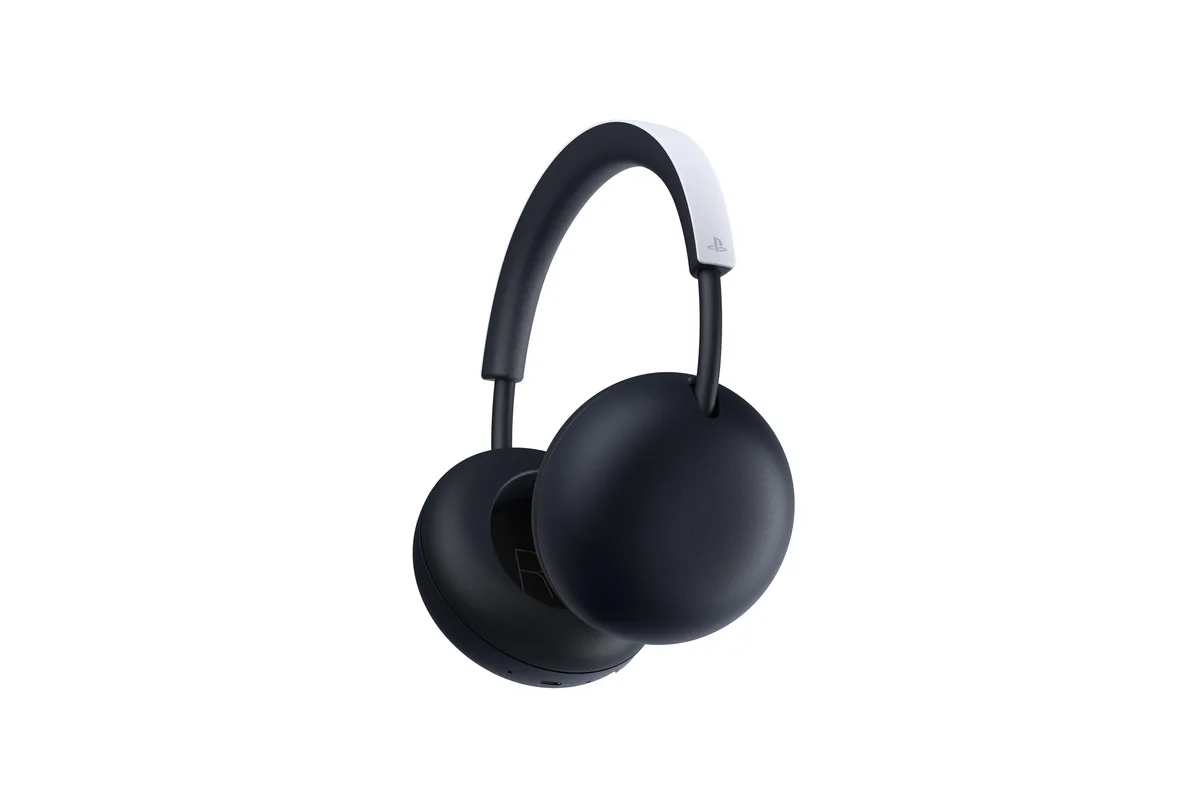
Sony specifically points to positional cues such as footsteps and reload sounds in competitive shooters. Those acoustic claims will need independent testing, but the hardware direction itself is already meaningful: planar magnetic is no longer the unusual option in Sony's PS5 headset range.
Pulse Edge gets eight magnets, ANC and a removable boom mic
Pulse Edge doubles the magnet count to eight per driver. Sony says this increases bass weight while retaining the detail and precision expected from the planar design.
It is also the only one of the two to feature active noise cancellation. Voice chat gets a detachable boom microphone, while a hidden secondary microphone remains available when the boom is removed.
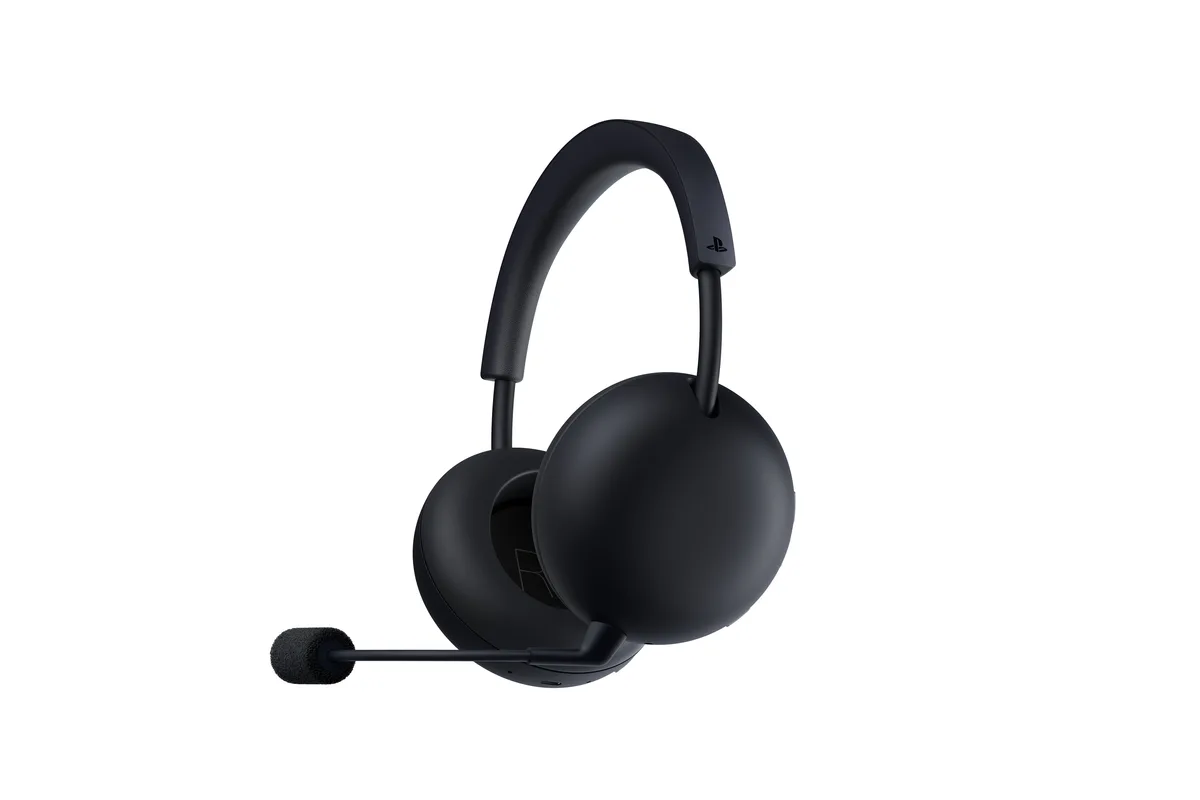
The premium model adds built-in game and chat balance controls for PS5, an audio and microphone jack, a carrying case and what Sony describes as higher-grade materials.
PlayStation Link still ties the ecosystem together
Both models ship with a USB-C PlayStation Link adapter. Sony's wireless system provides lossless, ultra-low-latency audio and supports compatible PS5 consoles, PlayStation Portal, PCs and Macs.
Bluetooth can operate at the same time, allowing a phone connection to remain active alongside PlayStation Link. That dual-device behavior is arguably more useful day to day than another headline audio specification.
Both headsets also use AI-enhanced microphone noise rejection to reduce background noise during voice chat. Their updated earcups rotate so the headsets can lie flat when carried or stored.
Sony has left out the number that matters most
Pulse Edge clearly has the more ambitious specification, but Sony has not yet revealed how much that step up will cost. ANC, twice the magnet count, the boom microphone and the additional controls create plenty of room for a substantial price gap.
The standard PlayStation Pulse arrives first during the 2026 holiday season. Pulse Edge follows in early 2027.