
Review
Bodycam has finally grown beyond the tech-demo stage, but its realism still fights against the game

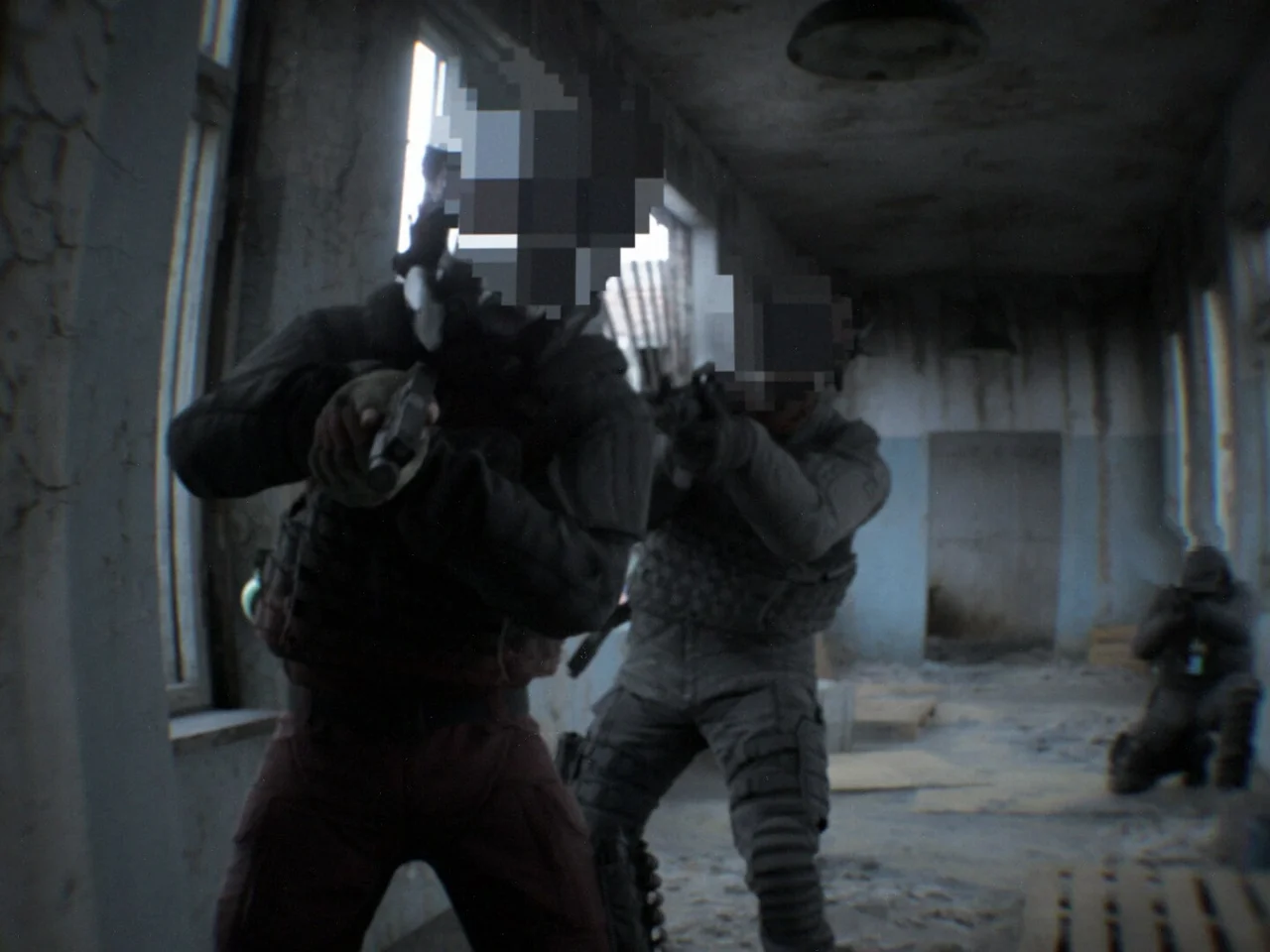
Locked & Loaded substantially rebuilds Reissad Studio's shooter with proper loadouts, hundreds of attachments, new procedural animations and more progression. Bodycam now feels much less like the thin tech demo critics saw in 2024, yet its central contradiction remains: the shooting is radically different, while much of the game wrapped around it is still surprisingly conventional.
Early Bodycam reviews kept circling the same problem. The visual effect was striking, the audio was frighteningly effective and the body-camera perspective gave it immediate identity, but critics struggled to find enough game underneath the technology. IGN treated the 2024 build largely as a tech demo, while GamingBolt and Game8 praised its atmosphere and gunplay before criticizing limited modes, progression and polish.
The September 2026 version should be judged with that history in mind, not frozen inside it. Locked & Loaded changes enough of the underlying game to make parts of the launch criticism outdated.
Bodycam's real design statement is still the weapon in your hands
Most first-person shooters create a direct relationship between view direction and weapon direction. Bodycam deliberately inserts a body between them.
The weapon has inertia. Arms, torso and camera belong to a connected physical operator. Looking toward an opening and actually bringing the barrel onto it become related but slightly separate acts.
That can feel awkward, especially for players trained by years of instantaneous mouse response. It is also the source of Bodycam's most interesting skill curve.
PC Gamer found the aiming uncomfortable at launch while simultaneously describing the game as unusually tense and unsettling. That contradiction remains useful: what makes Bodycam difficult to enjoy is frequently the same thing that makes it memorable.
Locked & Loaded finally builds a real game around the gunplay
The most important 2026 improvement is not another prettier map. It is structure.
Bodycam now has proper loadouts, extensive firearm customization with hundreds of attachments, a shooting-range hub and a tactical tablet that keeps equipment and matchmaking inside the physical world.
Procedural reload animation pushes the same idea further. Calm manipulation and stressed handling can look different, reinforcing the sense that the operator is reacting physically rather than replaying a perfectly clean canned animation.
The slower modes understand Bodycam best
Two-player Wingman and five-versus-five Body Bomb give its unusual mechanics room to breathe. When a mistake carries consequences beyond a short respawn timer, darkness and lethal weapons start producing genuine tactical decisions.
A flashlight helps identify a target but can advertise a position. Sound provides information. Entering a room without checking a corner can end a round almost immediately.
Deathmatch and the faster casual modes expose the opposite problem. Deliberately cumbersome handling is less convincing when placed inside a conventional spawn-kill-respawn rhythm.
More tools do not automatically create deeper objectives
FPV drones and remote vehicles are smart additions because they expand reconnaissance rather than simply increasing firepower. They allow players to gather information without physically crossing a dangerous doorway or exposed lane.
They also fit Bodycam's fascination with contemporary combat technology.
Yet the post-update criticism that the overall loop can still feel repetitive has merit. More elaborate weapons and gadgets cannot entirely compensate for objectives that remain straightforward beside deeper tactical simulations.
Progression recovered faster than trust
Bodycam also carries baggage unrelated to aiming. Changes to cosmetic progression in late 2024 caused a major backlash among players who felt previously earned customization had effectively been replaced by paid alternatives.
The game's current reception is substantially healthier. Steam currently shows 85% positive reviews across more than 16,000 reviews from the last 30 days, compared with 78% across its English-language lifetime reviews.
That strongly suggests Locked & Loaded has landed well. It does not erase the earlier decision.
The strange FPS Bodycam promised is finally easier to see
The major change in 2026 is not perfection. It is that the central body-camera idea finally has enough surrounding systems to last beyond the initial visual shock.
Bodycam remains divisive by design. Players who demand instant aiming, clean visibility and perfectly direct movement may dislike the exact qualities its strongest supporters value.
For everyone else, there is now substantially more game behind the lens.
Strengths
- Weapon handling and aiming feel genuinely unlike most other FPS games
- Firefights remain exceptionally tense
- Locked & Loaded finally adds meaningful loadouts and stronger progression
- Wingman and Body Bomb suit the tactical premise particularly well
- Sound, darkness and spatial awareness give positioning real weight
Weaknesses
- More arcade-like modes can clash with the deliberately heavy handling
- Objective depth still trails the strongest tactical shooters
- Movement and aiming require an adjustment some players may never enjoy
- The overall package still clearly belongs to Early Access
- Previous monetization changes created a lingering trust problem
Bodycam is no longer just the photorealistic Unreal Engine 5 shooter you install to show somebody what modern graphics can do. Locked & Loaded finally gives its unusual handling enough structure to support an actual game. At its best, every sound, angle and careless movement becomes a meaningful decision. At its weakest, that sensory simulation is trapped inside multiplayer loops far more ordinary than the shooting model itself. It is now a good and genuinely unusual FPS rather than a great tactical shooter: fascinating to learn, frequently spectacular, still too inconsistent to become a genre benchmark.