
Review
Once Human in 2026: This Strange Survival Game Survived Its Own Chaos

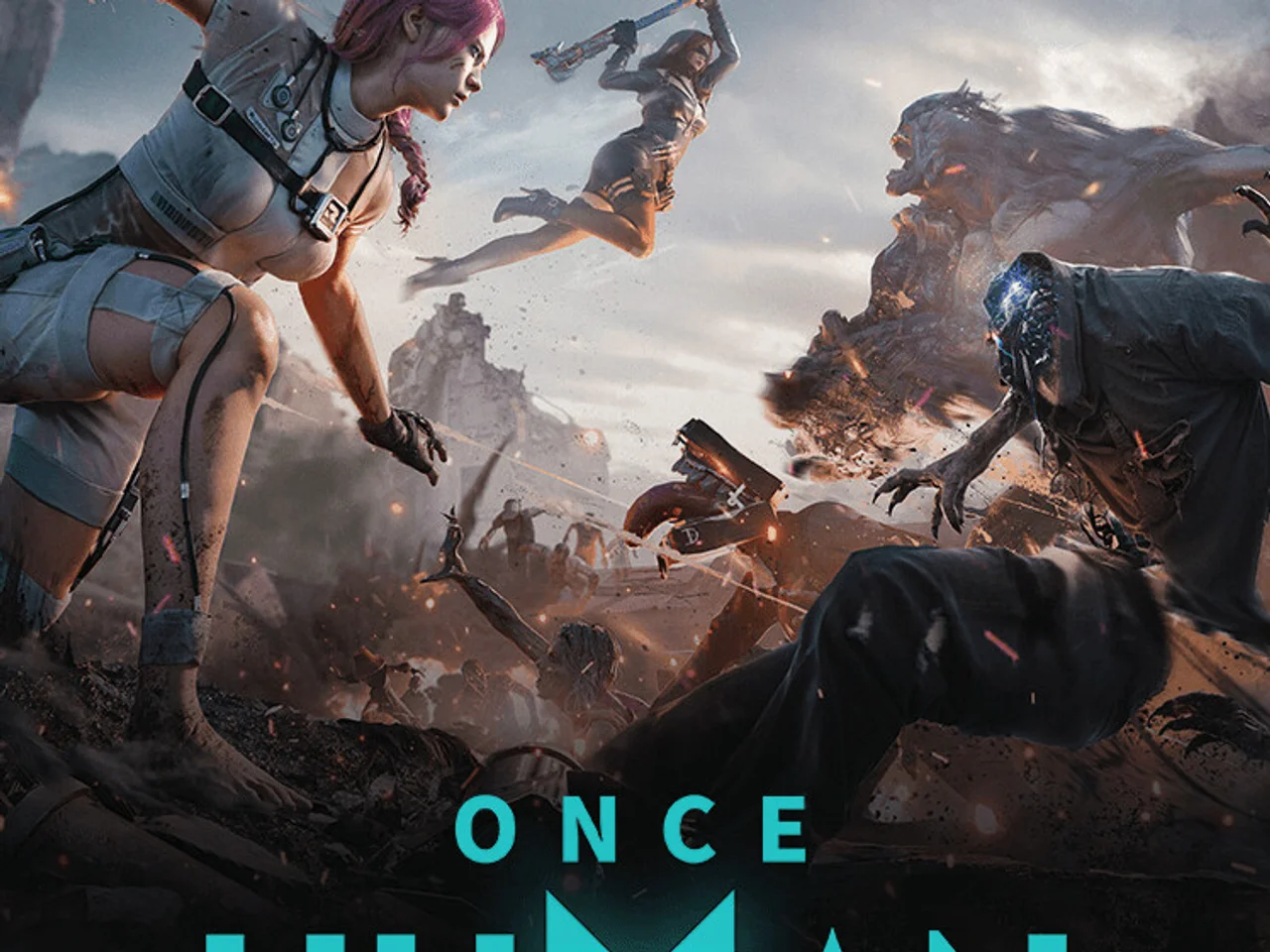
Once Human combines survival, base building, looter-shooter systems, MMO structure and creature collecting with an almost refreshing lack of restraint. Two years of updates have improved onboarding, expanded its scenarios and softened several launch frustrations. The pieces still do not always fit neatly together, but few free games offer a sandbox this generous or this unapologetically strange.
A survival game that refused to choose a genre
Once Human wants players to gather materials, build a house, craft weapons, explore contaminated towns, hunt bosses, collect supernatural creatures and participate in shared-world activities. Somewhere during development, somebody presumably suggested cutting a feature. They lost the argument.
At launch, that abundance could feel like a catalogue of borrowed ideas. PC Gamer nevertheless found the combination remarkably sticky, while IGN praised accessible survival-crafting systems that worked better together than expected. GamingBolt was considerably less convinced, arguing that many pieces resembled better-known games without reaching the same depth.
Two years of development have not ended that debate. They have given the formula considerably more substance.
Survival without constant administrative work
Hunger, thirst and Sanity matter, but Once Human rarely allows them to suffocate the rest of the game. COGconnected praised the relatively streamlined crafting and survival systems, and that restraint remains important because exploration is where the sandbox breathes.
A straightforward trip for materials can become an abandoned-house search, then a loot diversion, then a completely different activity because something with far too many limbs has appeared beside the road.
Survival creates reasons to return home without making home the only safe place to have fun.
Building can quietly consume the entire evening
One of Once Human's stranger successes is how easily a shooter audience turns into amateur architects. PC Gamer later highlighted players spending extraordinary amounts of time designing houses rather than chasing combat objectives.
The functional layer is familiar: foundations, crafting stations, storage, power and production. Decoration and layout freedom make it much easier for a practical shelter to become a long-term personal project.
Construction remains imperfect. IGN and GamingBolt both reported awkward snapping behaviour in the original release, and the underlying complexity still occasionally fights precise placement despite subsequent improvements.
Deviations give the sandbox its personality
The supernatural creatures scattered through Nalcott are more than visual jokes. Combat Deviations can join fights, while others assist with production, resource collection or territory management.
That connection between creature design and utility is important. Capturing a bizarre entity changes something tangible rather than simply completing a collection screen.
By 2026, Starry Studio has pushed that relationship even harder, expanding Deviation abilities and presenting anomalies as fundamental tools for survival.
The guns often deserve tougher targets
Shooting is responsive enough to support a looter structure, but common enemies remain one of the weaker pieces. PC Gamer found the early PvE extremely easy even in 2024, while GamingBolt criticised passive enemy behaviour.
Larger bosses and cooperative activities provide more structure. Ordinary opponents frequently exist as resources with health bars.
Scenarios remain the hardest system to explain
Once Human does not behave like a conventional MMO world progressing forever along one timeline. Players enter scenarios with distinct rules, phases and schedules. At launch, this was often reduced to the alarming idea that everything would simply reset.
The actual persistence rules are more forgiving than that summary, and Starry Studio has since added persistent-server options, revised onboarding, custom servers and alternative modes such as RaidZone.
It is a more flexible structure now. It is not a simpler one.
The 2026 version finally has enough history to feel like itself
Version 3.0 adds first-person play and sits inside a much broader ecosystem spanning PC, mobile, PlayStation and Xbox with cross-platform support. A new player therefore encounters a substantially different package from the one critics reviewed in July 2024.
The weaknesses remain recognisable: clutter, soft AI, inconsistent storytelling and systems that sometimes compete for attention.
The difference is that the strange pile now has enough weight to stop feeling temporary.
Strengths
- An unexpectedly addictive blend of survival, building, exploration and loot
- Deviations give the game a distinctive mechanical identity
- Extremely flexible base building that can absorb entire sessions
- A generous free-to-play model focused primarily on cosmetics
- Scenarios and activities have expanded considerably since 2024
Weaknesses
- The sheer number of systems, currencies and menus remains difficult to parse at first
- Ordinary enemies are frequently much too easy
- Enemy AI still lacks responsiveness in many encounters
- Scenario and server structure remains unusual and potentially off-putting
- Some mechanics feel borrowed from stronger specialists rather than fully developed
Once Human remains a pile of overlapping systems, but that has increasingly become a strength rather than a flaw. Survival is light enough to leave room for exploration, building can become a game of its own, Deviations give the sandbox genuine personality, and the free-to-play model still avoids directly selling combat power. Ordinary enemies remain too soft and the scenario structure takes time to understand. Yet when a session that began as a resource run ends with an absurdly decorated house and a supernatural creature doing chores in the garden, the game's peculiar appeal becomes obvious.