
Review
PUBG in 2026: nine years later, no battle royale makes a single bullet this frightening

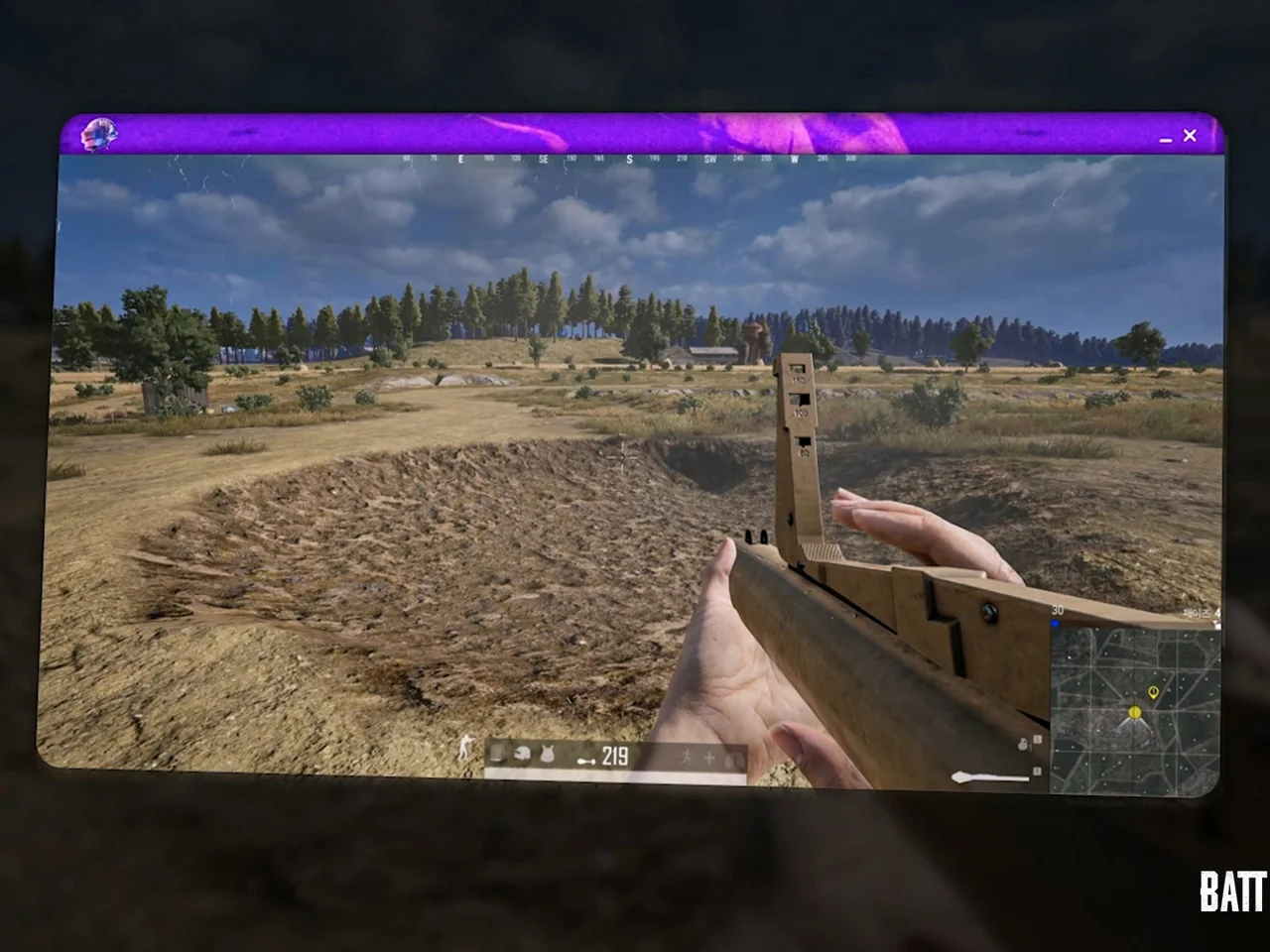
PUBG is no longer the technically chaotic 2017 release, but its central idea has barely changed: a huge map, demanding weapons and a shrinking zone that gradually turns waiting into panic. Update 42.3 now deliberately rotates weapon metas as well. The learning curve remains brutal and cheating is still an ongoing fight, but its gunplay and tactical tension remain distinctive.
PUBG remains one of the few shooters where ten minutes without firing can make the eleventh minute more intense rather than less interesting.
A vehicle behind a ridge, distant gunfire with no clear origin and an opened door on the route to the next circle all matter before a shot is taken.
The circle is still the master system
PC Gamer and GameSpot identified the shrinking safe zone as the organising force behind PUBG years ago, and that remains true.
It converts huge spaces into escalating pressure while refusing to guarantee a fair route. Sometimes positioning is rewarded. Sometimes the next circle demands a terrifying sprint across open terrain.
PUBG accepts uncertainty that more tightly controlled competitive shooters usually try to remove.
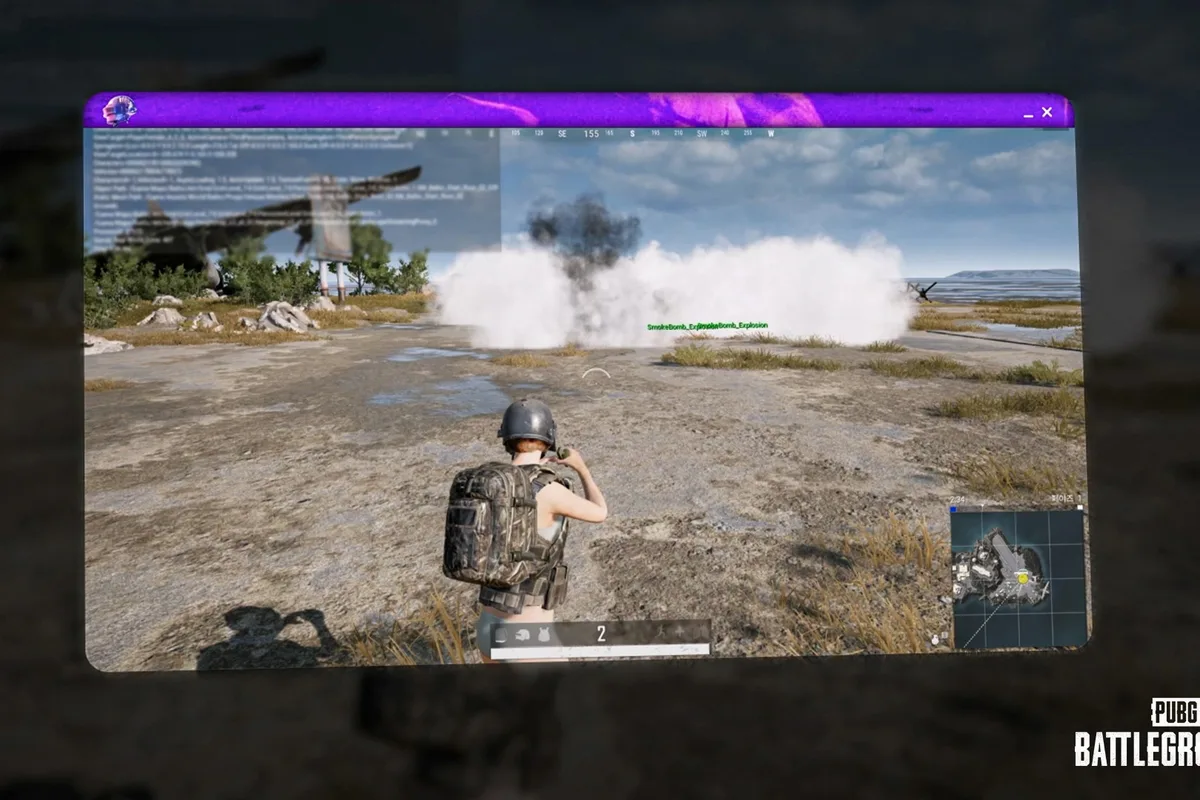
Gunplay remains its strongest argument
Recoil, projectile velocity, bullet drop, scopes and attachment combinations give firearms unusually strong mechanical identities.
Modern 2026 assessments still highlight the grounded ballistics and slower tactical pacing as PUBG's principal distinction from newer battle royale competitors.
A long-range moving shot feels exceptional because the game makes accuracy difficult enough to matter.
Weapon balance is becoming deliberately seasonal
Krafton's Meta Rotation initiative changes the old balance philosophy. Major gunplay shifts are now intended roughly every four months rather than allowing a familiar top-tier selection to remain dominant indefinitely.
Update 42.3 begins that process with an LMG rebalance and the new RPD.
For veterans, deliberate meta disruption can be uncomfortable. For a nine-year-old competitive game, permanent stability would be a different kind of problem.
Erangel still survives extraordinary familiarity
Locations such as Pochinki, Georgopol and the military base have been studied for years.
Krafton increasingly changes how those spaces function rather than replacing them. Destructible Terrain allows players to create some cover in exposed areas, introducing decisions into landscapes whose old endgames could become overly predictable.
Nine years of knowledge create a brutal entry barrier
Modern PUBG contains far more maps, equipment, mobility systems and edge-case rules than the original release.
The deeper problem is opponent knowledge. New players face people who have memorised sightlines and rotations for years.
GameSpot praised the July 2026 onboarding overhaul, which expands Basic Training into seventeen chapters and adds an AI partner.
It makes learning less hostile. It cannot manufacture veteran intuition.
Randomness still produces excellent stories
Bad loot, a ruined vehicle, an unfortunate airdrop and two squads forced onto the same ridge can combine into a situation nobody explicitly authored.
PC Gamer's original description of PUBG as a reliable war-story generator remains remarkably accurate.
Cheating remains structural work
Krafton's 2026 anti-cheat roadmap still identifies DMA cheating as a top priority and says approximately 260,000 DMA-based accounts were permanently banned during 2025.
Hardware re-entry blocks, ban-evasion detection, console input-device enforcement and AI-assisted video review are all part of the current response.
The scale of the countermeasures demonstrates why cheating continues to affect perceptions of the game even when individual experiences vary dramatically.
The live-service shell has become much heavier
Passes, cosmetics, currencies and numerous peripheral systems surround a battle royale concept that was originally strikingly simple.
Steam's recent user sentiment remains only Mostly Positive, hovering around the low-seventies percentage range.
The contrast is revealing: PUBG's central combat remains easier to praise than the entire service built around it.
Its brutality still gives victory weight
Losing after fifteen minutes of preparation can feel unnecessarily cruel.
It is also why a final circle can still create a level of tension many faster battle royales struggle to reproduce.
PUBG does not insist that every second provide stimulation. It allows quiet minutes to accumulate value until one bullet suddenly matters enormously.
Strengths
- Gunplay remains among the best in battle royale
- Ballistics and recoil give weapons strong identities
- Exceptional match-level dramatic escalation
- Erangel remains an excellent map
- Meta Rotation keeps weapon choice moving
- Destructible Terrain adds tactical options
- The redesigned tutorial is much more useful
Weaknesses
- Extremely harsh learning curve
- Cheating still requires an extensive anti-cheat programme
- Menus and live-service systems have become cluttered
- Huge knowledge gap between newcomers and veterans
- Matches can still end abruptly after long quiet stretches
PUBG: BATTLEGROUNDS is no longer the new phenomenon that transformed multiplayer gaming in 2017. It has become something stranger: an old competitive game whose fundamental rules remain unusually strong. Difficult gunplay, the circle and constant uncertainty still give victory a weight many faster battle royales have diluted. Nine years of live-service layers, a huge entry barrier and the permanent fight against cheating have made the overall experience much heavier. But when four survivors are crawling through the final field with almost nothing between them and the next bullet, PUBG instantly becomes itself again.