
Review
Mortal Shell II: removing stamina was far smarter than it sounded
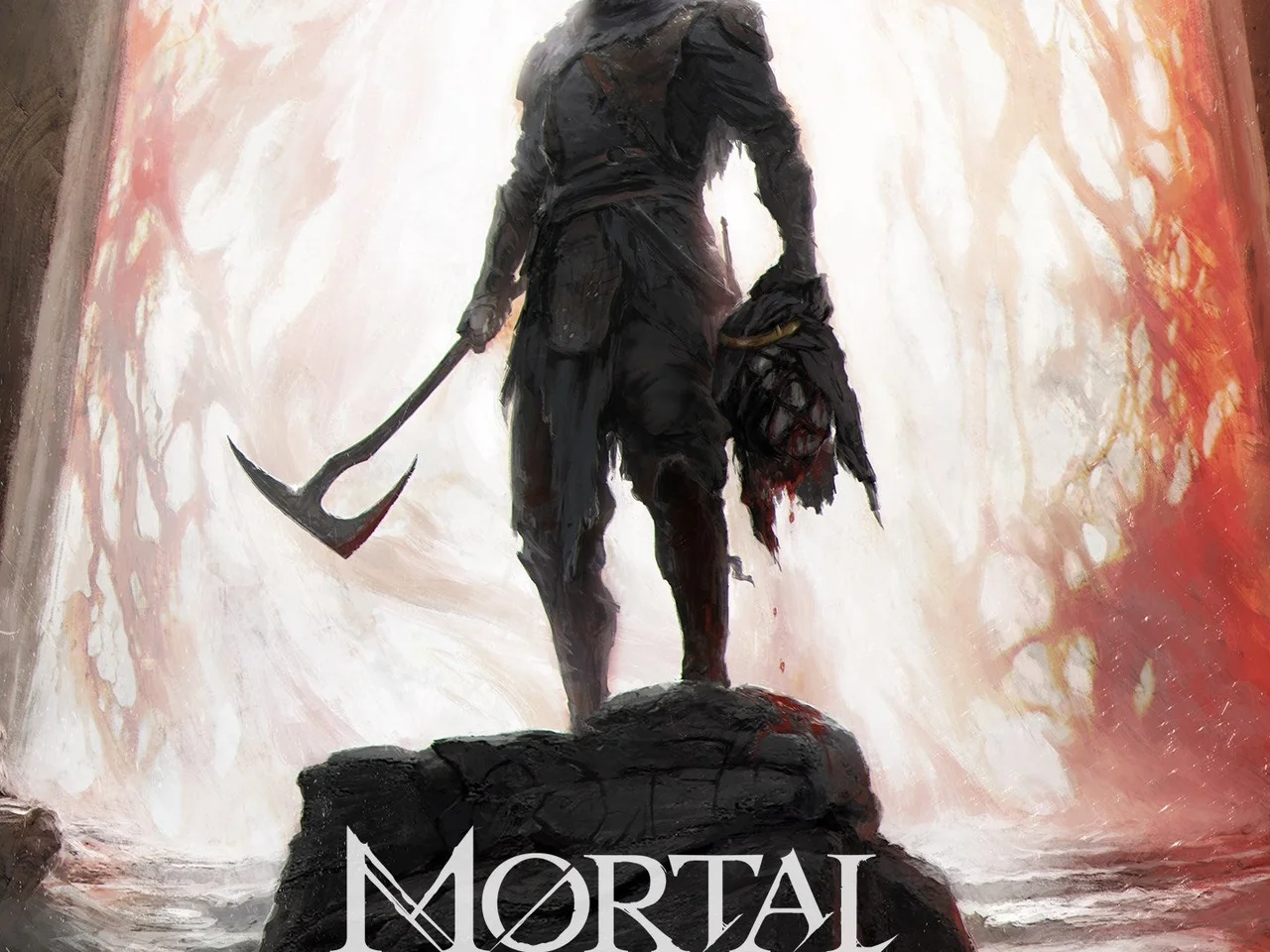
Mortal Shell II pulls apart several Soulslike conventions instead of merely reproducing them. With no stamina meter, eight Shells, defensive Seals and build-shaping Tarstones, Cold Symmetry creates a much freer combat system than the original.
No stamina does not mean no commitment
Mortal Shell II removes one of the genre's most familiar restrictions. Attacking and dodging no longer drain a stamina bar, so combat rarely asks the player to disengage simply to recharge permission to act.
GameSpot identifies this as a major reason the sequel feels more aggressive than its predecessor. Attack animations still cannot simply be cancelled, however. A badly timed greatsword swing remains a decision with consequences.
Defence becomes a build choice
Harden returns through a Seal rather than defining the entire defensive system. Other Seals introduce blocking, standard parries or tighter high-risk parry windows with greater posture damage.
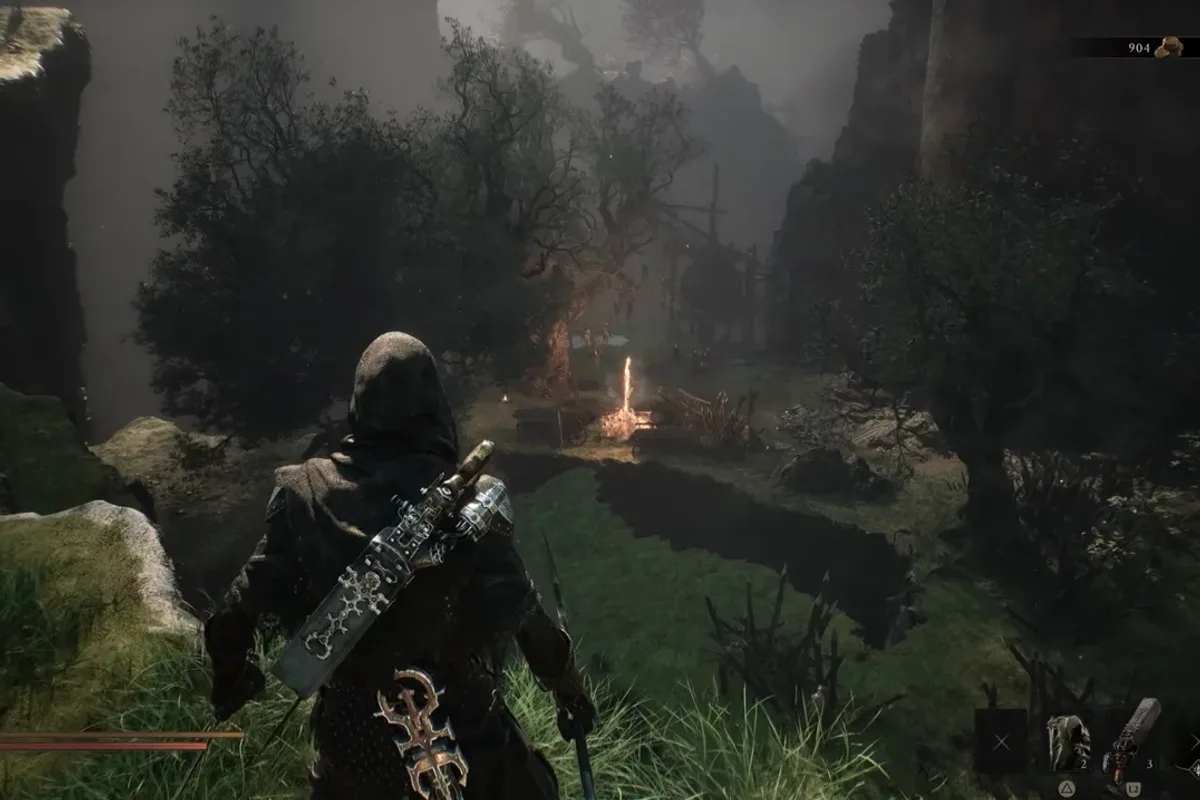
That simple restructuring gives different characters more room to establish their own tempo. The first game's signature idea survives without forcing every build to orbit around it.
Eight Shells create eight foundations
Every Shell is a fixed archetype rather than an empty stat sheet. Eredrim rewards aggression and executions, Tiel leans into mobility and stealth, while Sariel uses a Pain mechanic that changes the meaning of incoming damage.
Weapons, Seals and Tarstones then provide the actual fine tuning. GameSpot praises the amount of experimentation available and the degree to which those systems can push a character toward specific critical, break or utility strategies.
The launch economy discouraged that experimentation
The irony was that weapon variety initially exceeded the player's ability to fund it. GameSpot found plenty of upgrade materials but insufficient currency to keep several primary weapons equally competitive.
Cold Symmetry has already altered that equation. The first major balance patch cut some forging costs dramatically, increased gold drops and changed several progression expenses. A review of Mortal Shell II only six days after launch therefore has to acknowledge that its balance is already moving.
Its open world is compact enough to become contentious
GameSpot finds the interconnected structure dense and rewarding, closer to traditional levels linked into one continuous space than to Elden Ring's huge fields.
PCGamesN finds the same lack of guidance frustrating, particularly when searching for maps or deciphering where the next useful path begins. Exploration is one of the sequel's strengths or one of its unnecessary irritations depending on how much direction the player expects.
Not every difficulty spike deserves defending
GameSpot singles out repeated deaths from cliffs and some overly readable mini-bosses. PCGamesN also encountered a progression-currency recovery bug during its pre-launch review build.
The foundations are much stronger than those rough edges. Mortal Shell II now has enough mechanical identity to be discussed without spending every paragraph explaining which FromSoftware rule it copied.
Strengths
- Removing stamina genuinely improves combat flow
- Eight meaningfully distinct Shells
- Seals and Tarstones create substantial build variety
- Varied arsenal with excellent impact
- Dense rather than artificially huge open world
Weaknesses
- Launch economy discouraged weapon experimentation
- Navigation can become confusing
- Too many frustrating fall deaths
- Some mini-bosses are overly simple
- Balance is still shifting immediately after launch
Mortal Shell II does what a strong sequel should: it keeps the borrowed-body concept while refusing to treat Soulslike conventions as mandatory. Removing stamina and separating defence into Seals frees the combat, eight Shells deepen buildcraft, and the world is far more ambitious. The economy and several bosses already required substantial patching, but the mechanical foundation is considerably stronger than the original's.