Review
Clair Obscur: Expedition 33 — The RPG That Turns Every Parry Into a Decision
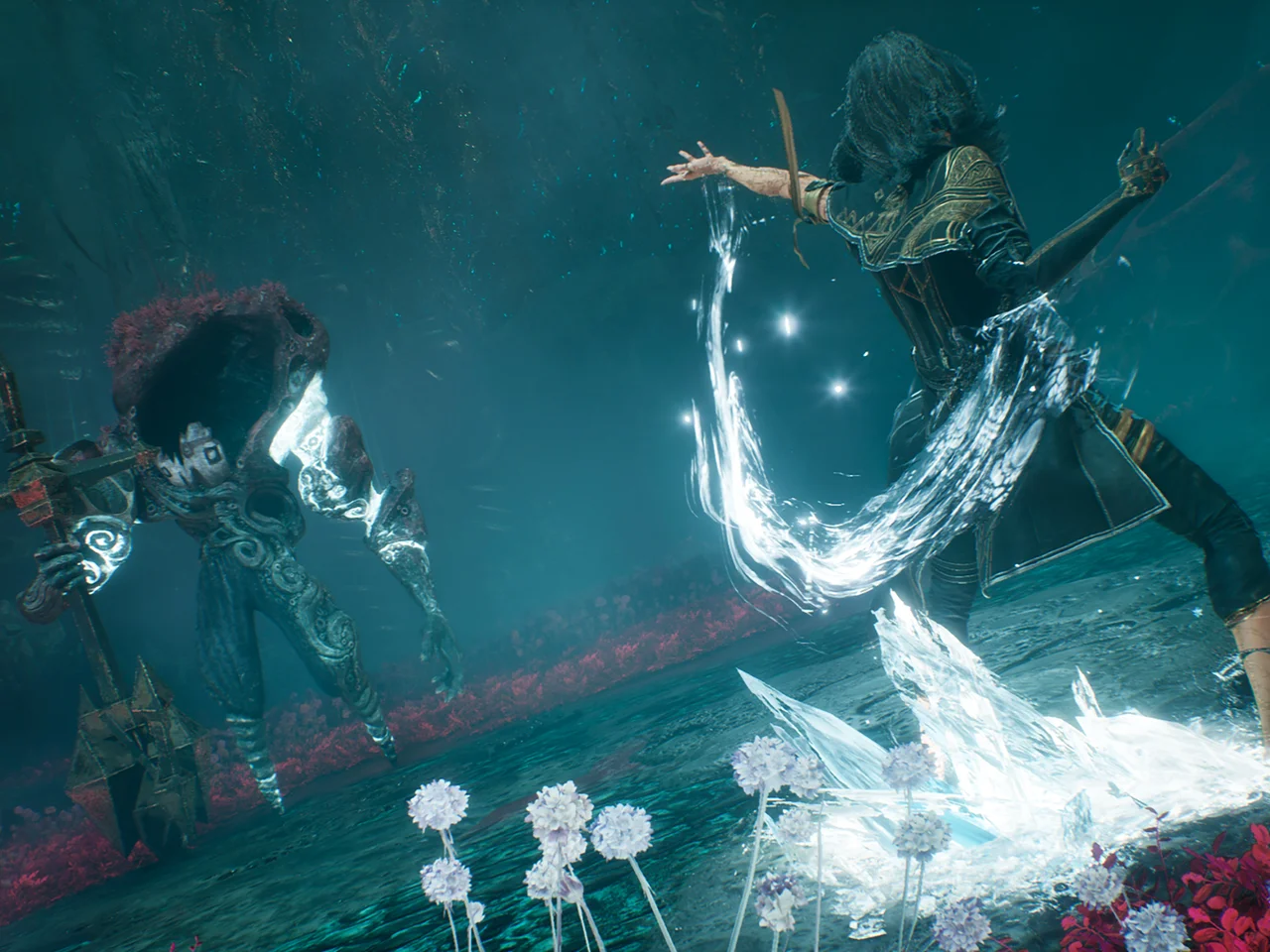
Sandfall Interactive does not modernize turn-based combat by simply attaching a few QTEs to it: the studio builds a system where timing, builds, and enemy reading constantly reinforce one another. Expedition 33 is generous, occasionally brutal, frequently extravagant, and almost always thrilling to play.
Clair Obscur: Expedition 33 can almost be described as a turn-based RPG that refuses to let the player relax during the enemy turn. The idea sounds straightforward. It becomes far more interesting once Sandfall layers character-specific mechanics, Pictos, Luminas, weapon growth, affinities, status effects, and bosses on top.
The result is not an action game wearing turn-based menus. Party construction still determines the plan. Reflexes determine whether that plan survives.
The enemy turn is still your problem
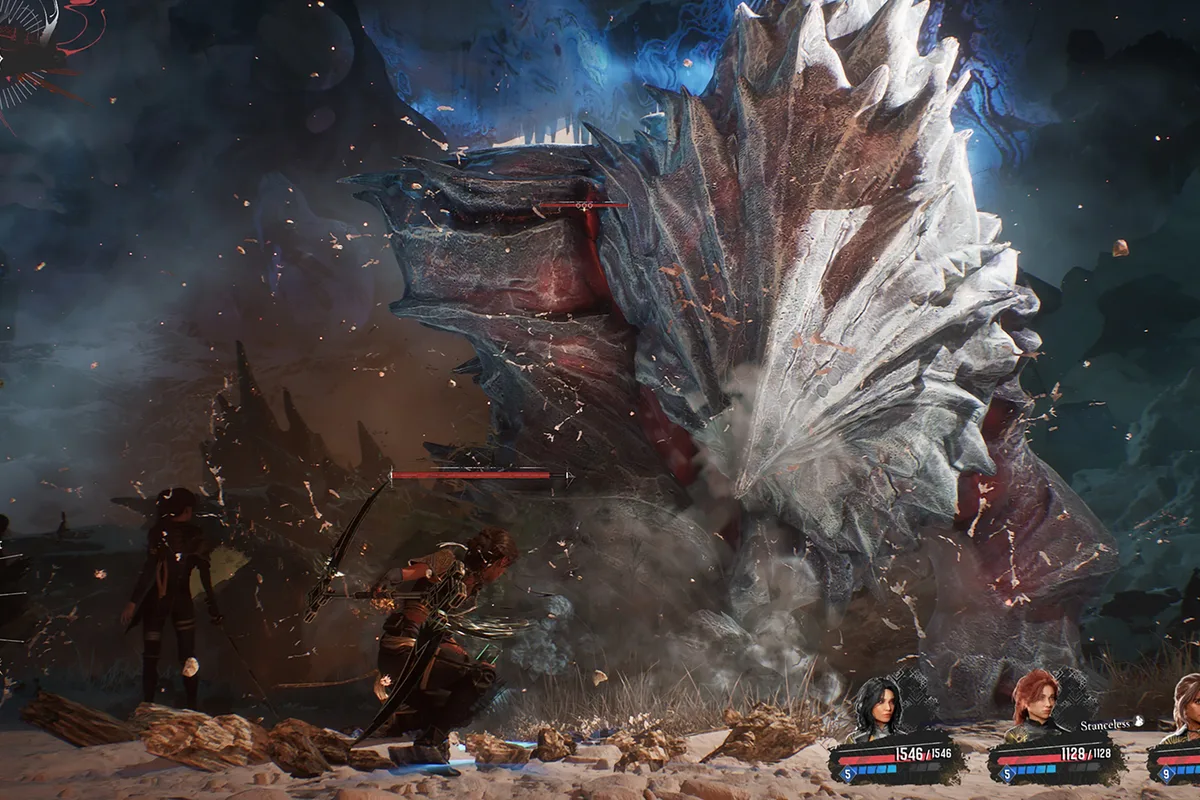
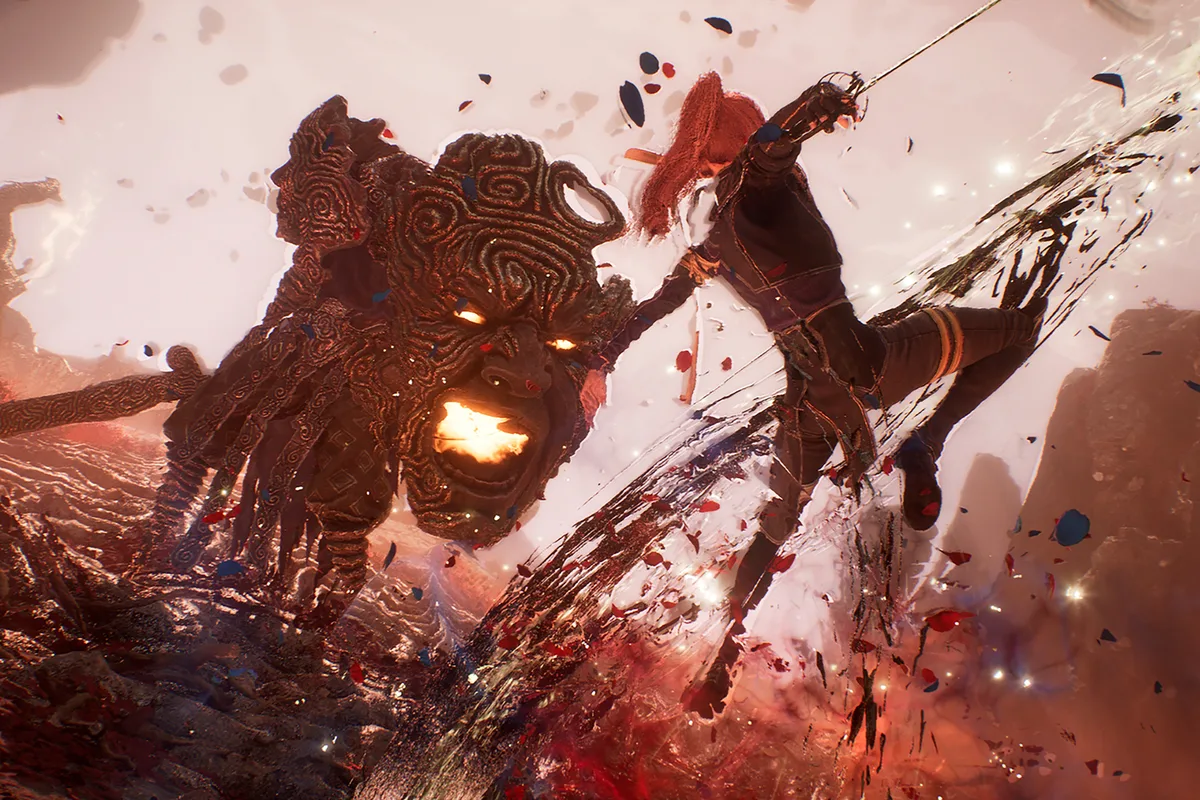
Dodging, jumping and parrying force the player to read animation rather than simply wait for damage numbers. An unfamiliar attack initially feels chaotic. Eventually, its rhythm becomes readable.
Parrying concentrates most of that tension. Success protects the party and can trigger devastating counters. Failure can turn a controlled encounter into a collapse.
GameSpot treats this fusion of tactical planning and reactive play as one of the game's defining strengths. PC Gamer provides the useful dissenting view, arguing that the constant real-time pressure can become exhausting.
That criticism lands in one respect: Expedition 33 loves its parry system so much that it occasionally makes it feel like the most profitable answer to everything.
Every party member nearly brings a different combat game
Maelle shifts stances and can turn preparation into absurd burst damage. Lune sequences spells around Stains. Sciel manipulates Foretell. Verso climbs Perfection ranks. Monoco learns abilities directly from enemies.
Those differences keep the party from collapsing into six variations of the same stat sheet.
RPG Site particularly praised this flexibility and the game's ability to sustain radically different compositions. As the systems open up, the interesting question stops being which character is strongest and becomes what unreasonable setup can be built around each one.
Pictos become a library of excellent bad ideas
Pictos begin as conventional passive equipment. After enough battles, their effect becomes available independently as a Lumina.
That single rule turns every useful piece of gear into potential long-term build vocabulary.
Burn effects, extra action points, first-turn bonuses, critical interactions and defensive triggers do not simply disappear when a stronger item arrives. They enter a growing pool of possibilities.
Late-game setups stop looking like cautious upgrades and start looking like machines designed to break the normal economy of a fight.
The bosses know the player is allowed to break things
Sandfall supports that growth with encounters that demand more than a memorized rotation.
Optional bosses and late-game content combine long attack strings, timing changes and damage requirements that force both defensive mastery and serious buildcraft.
The resulting gap between a merely competent party and a heavily optimized one can become enormous. That is also part of the game's appeal as a systems playground.
The Continent avoids open-world sludge
Exploration uses a stylized world map connecting tighter authored regions. The structure recalls older RPGs without turning into nostalgia for its own sake.
Optional locations can be discovered well before the party is ready for them. New traversal abilities later reshape which routes are available.
The map is not saturated with repeated chores. A strange doorway, oversized enemy or suspicious path therefore retains some mystery.
The campaign knows when it has done enough
Reviews generally place a story-focused run around the 25-to-30-hour range, with substantial optional content beyond that.
That restraint helps. Expedition 33 contains enough mechanics to support a far longer RPG, but it does not automatically translate systemic richness into dozens of interchangeable side quests.
The free Thank You Update in December 2025 later added a new playable environment, new high-level battles, additional music, Photo Mode, and quality-of-life and performance improvements.
By its first anniversary, Sandfall announced eight million copies sold. Sales do not prove a combat system works, but here they sit beside a much more useful critical consensus: beneath the enormous popularity is a role-playing game that genuinely makes opening the build menu feel as exciting as finding the next boss.
Strengths
- Extremely rewarding hybrid combat
- Characters with genuinely distinct mechanics
- Pictos and Luminas create remarkable build depth
- Excellent optional bosses push the systems to their limits
- Compact, dense exploration filled with discoveries
- Progression keeps revealing new synergies very late into the game
Weaknesses
- Parrying can eventually dominate combat too heavily
- Some systems are more opaque than they need to be
- Late-game optimization can become extremely explosive
Clair Obscur: Expedition 33 gives turn-based combat a tension few modern RPGs achieve without sacrificing the party-building depth that defines the genre. Every character brings a distinct logic, Pictos and Luminas create a genuine build laboratory, and bosses demand both composition knowledge and attack-pattern mastery. The game can lean too heavily on parrying and some systems take time to become readable, but those reservations barely dent the richness of the whole. Sandfall delivers a remarkably confident debut RPG.