
Review
007 First Light: IO Interactive understands that Bond should be able to lie before he shoots
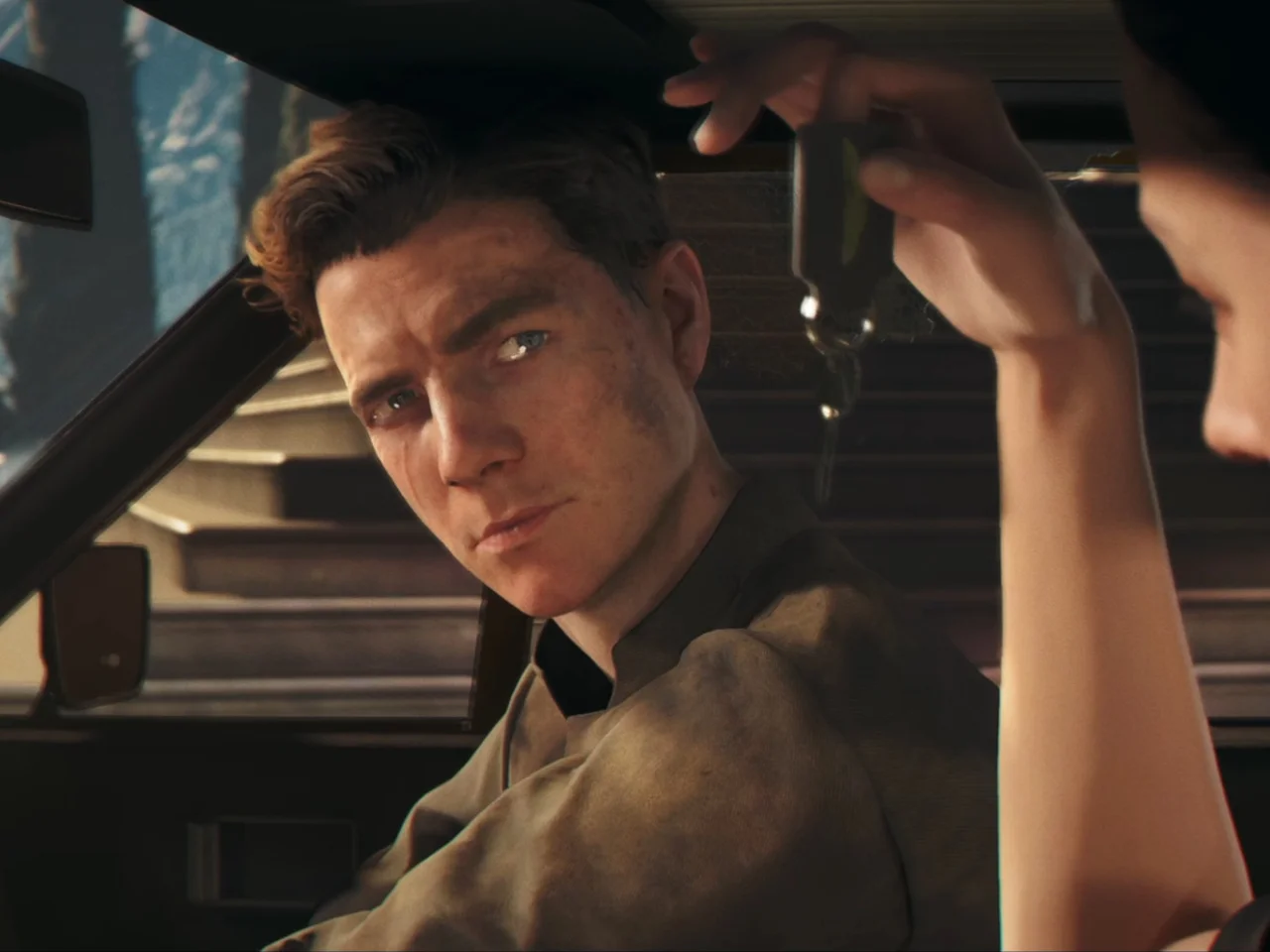
First Light does not simply turn Hitman into James Bond. It borrows IO's fascination with social spaces, bluffing and gadgets, then mixes them with chases, gunfights and far more aggressive melee combat. Not every mission has the freedom of a true IO sandbox, but the game understands the variety required for the 007 fantasy remarkably well.
The most James Bond mechanic in 007 First Light is not the Aston Martin.
It is the ability to look suspicious in front of a guard, produce a plausible explanation and exploit the hesitation before the situation collapses.
Stealth is only one form of espionage
IO Interactive naturally brings lessons from Hitman into social spaces. Listening, observing access patterns and understanding who belongs in a room matter as much as remaining physically unseen.
The Guardian particularly praises gala and event sequences where Bond succeeds by appearing legitimate rather than invisible.
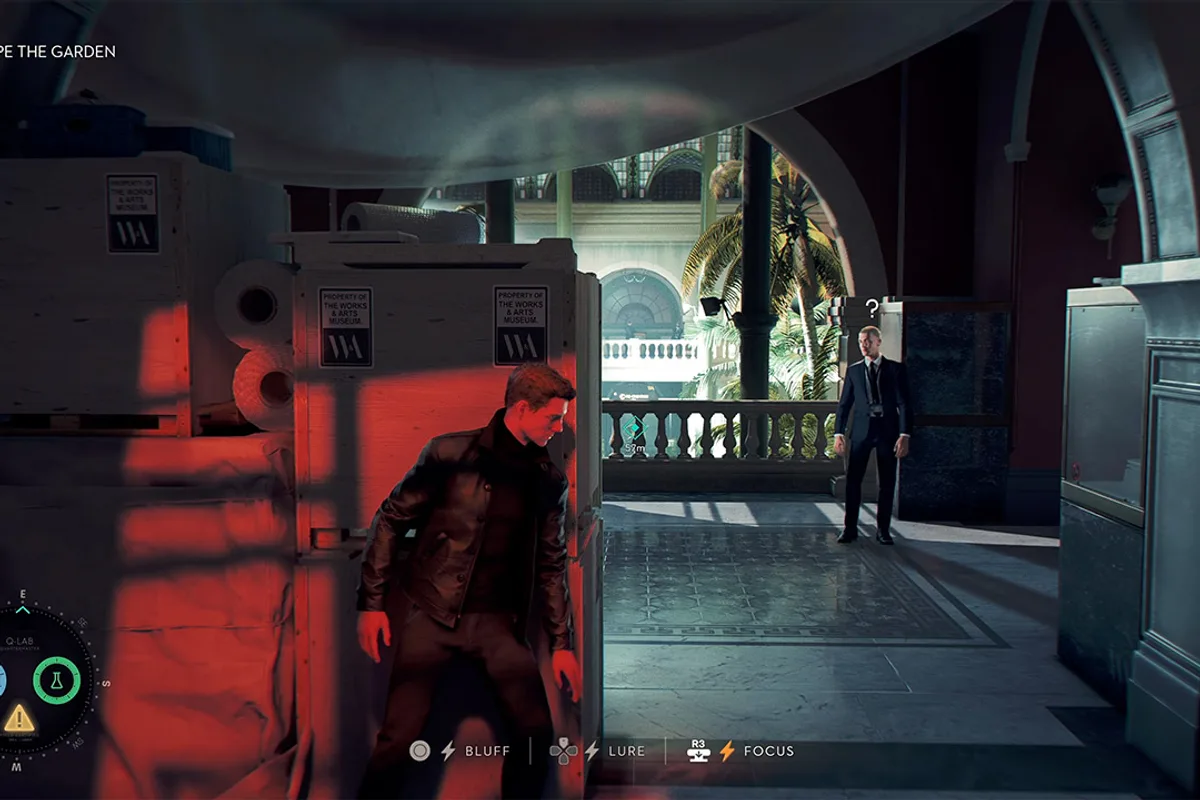
Gadgets work because people react to them
The Q-Watch and other spy tools manipulate devices, attract attention and create openings. GameSpot praises the way those systems reflect IO's heritage without simply turning Bond into Agent 47 with hair.
The best gadgets create behavioural possibilities rather than acting as isolated abilities.
Failure can become action instead of a reload
First Light's major mechanical departure from modern Hitman is its willingness to let a compromised situation become a legitimate gunfight.
Melee, firearms and Focus give Bond enough expressive combat options for loud play to feel intentional. TechRadar considers the transition between stealth and blockbuster action one of the game's strongest qualities.
Not every environment is a true sandbox
PC Gamer is much more critical than the wider review consensus, arguing that investigative spaces often feel like condensed, less sophisticated Hitman scenarios.
Le Monde similarly finds the underlying activity increasingly repetitive despite impressive locations.
Those criticisms are persuasive when a level appears to offer broad systemic freedom but ultimately funnels players toward a small number of solutions.
The linear set pieces are deliberately another language
Driving sequences, chases and large gunfights remove much of that freedom. At their best, they feel less like design failure than a recognition that the Bond fantasy has always included abrupt shifts from sophisticated social play to spectacular catastrophe.
Mastery matters more than statistics
First Light does not bury Bond beneath an enormous RPG progression tree. Learning how gadgets, bluffing, movement and combat interact provides more useful progression than another layer of percentage upgrades.
The Hitman comparison remains both compliment and burden
Whenever First Light offers a dense social environment, IO's expertise is obvious. Whenever the game becomes tightly scripted, the contrast with that freedom is equally obvious.
The important success is that spying, lying and shooting still feel like parts of the same character.
Strengths
- Excellent mixture of bluffing, infiltration and action
- Strong social spaces
- Gadgets are meaningfully integrated into situations
- Surprisingly convincing melee combat
- Failed stealth can naturally transition into action
- Impressive mission variety
Weaknesses
- Some levels are more linear than they initially appear
- Less systemic freedom than the best Hitman missions
- Several mechanics become repetitive
- Transitions into action can be abrupt
007 First Light is not James Bond Hitman, and that is precisely why it works. IO Interactive keeps its talent for social spaces, behaviour and small manipulations, then accepts that Bond sometimes needs to abandon subtlety for a chase or gunfight. Some missions would benefit from more solutions, and PC Gamer is right to identify several simplifications. The foundation remains excellent: few Bond games have understood so clearly that espionage can mean convincing somebody you belong in the room.