
Review
Fire Emblem: Fortune's Weave Goes Huge, Even When Its Systems Get in the Way

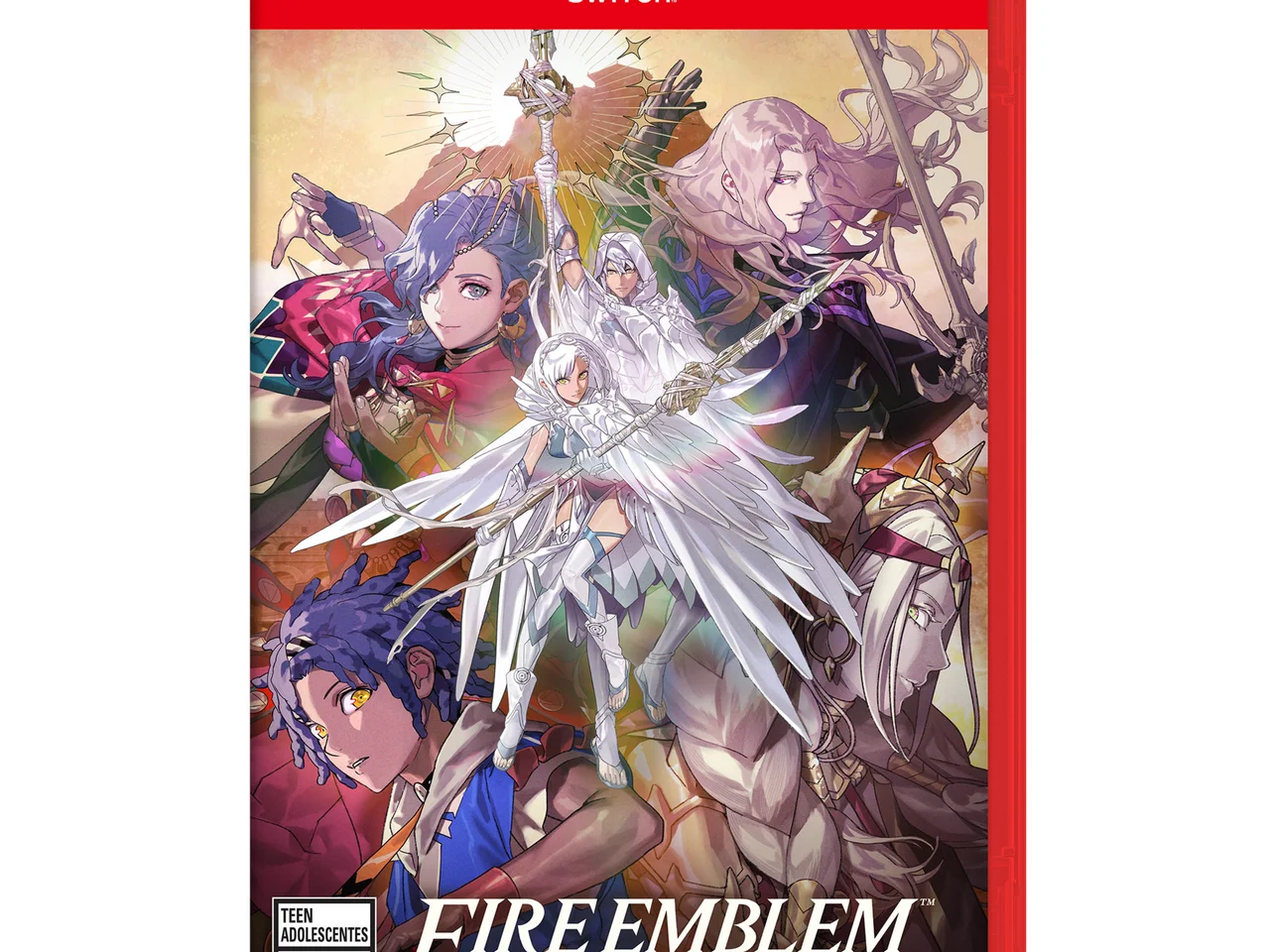
Intelligent Systems pushes Fire Emblem into gigantic tactical-RPG territory, with four intertwined paths, a world map and layers of systems orbiting remarkably strong battles. That abundance is both the game's defining strength and the source of its roughest stretches.
Fire Emblem keeps adding systems, and this one barely knows when to stop
Fortune's Weave takes the series' long-running expansionist instinct and runs with it. Four Flame Lords have distinct routes, mechanics and recruitable allies, while Eshmel links those timelines together. Crucially, the game lets players jump between those stories rather than forcing four full campaign restarts.
That structure matters mechanically. Recruitment, class development, hero abilities and route-specific progression create different ways to shape an army before a unit ever steps onto the grid. Across VGC, Nintendo Life, Game Informer and GamesRadar, the recurring observation is that the game is enormous but its tactical foundation is strong enough to carry much of that weight.
Combat is the reason the excess works
Blaze Arts give major heroes distinctive tools, Combat Arts introduce another layer of resource management, and battles regularly vary their layouts and tactical pressures. There is a lot to process, yet the systems usually create decisions rather than simply adding menu clutter.
Nintendo Life describes the battles as a high point for the series, while VGC similarly highlights the combat as one of the game's major successes. Game Informer's assessment is more qualified about the overall scale, but still points to memorable encounters. That consistency across reviews matters more than any single score.
Clash Battles are the less successful experiment. Switching from grid tactics to a more conventional party-based turn system sounds like a useful change of pace, but the external reviews are notably cooler on these encounters than on the core maps.
The world map eventually starts charging rent
Outside combat, Fortune's Weave keeps expanding: towns, recruitment, social activities, training, dungeons and a time-driven overworld. Those layers strengthen the army-building fantasy. They also create one of the clearest criticisms in the review corpus.
Nintendo Life flags the overworld controls and map management as increasingly cumbersome. GamesRadar points to busywork and resource management interfering with pacing, while Pocket Tactics reaches a similar conclusion despite an otherwise highly enthusiastic verdict.
That tension defines the game. A strong tactical map makes the next battle immediately appealing, then Fortune's Weave may ask for another stretch of administration before handing one over.
Massive for reasons that mostly matter
The important distinction is that the campaign's size is not purely padding. Route progression, recruitment and class choices feed back into later tactical options, and the ability to move between protagonists keeps the sprawling structure more flexible than a collection of isolated campaigns.
Still, this is a huge time commitment. Published reviews commonly describe runs stretching well beyond the scale of a conventional strategy RPG, with completion times climbing much higher depending on how much optional content is pursued.
The remarkable part is how often the game justifies that commitment once the grid returns.
Strengths
- Deep tactical battles that keep introducing meaningful wrinkles
- Protagonists whose distinct mechanics change how teams are built
- Exceptionally broad army progression and customization
- Route switching avoids the structural repetition of restarting entire campaigns
Weaknesses
- World-map management can become cumbersome
- The sheer amount of side activity sometimes hurts the pace between major battles
- Clash Battles are less convincing than the core grid-based combat
- Some systems feel layered onto a formula that was already extremely dense
Fortune's Weave does more than pile content onto the Fire Emblem formula: its best systems genuinely feed army building and tactical variety. Blaze Arts, hero-specific abilities and the freedom to move between routes give team construction unusual scope. The downside is just as clear, with map management, repetition and side activities occasionally keeping the player away from the battles for too long. Fortunately, those battles remain the strongest reason to commit to such an enormous campaign.