Review
Warframe in 2026: Thirteen Years of Systems Built Around Some of the Best Combat in the Looter-Shooter Genre
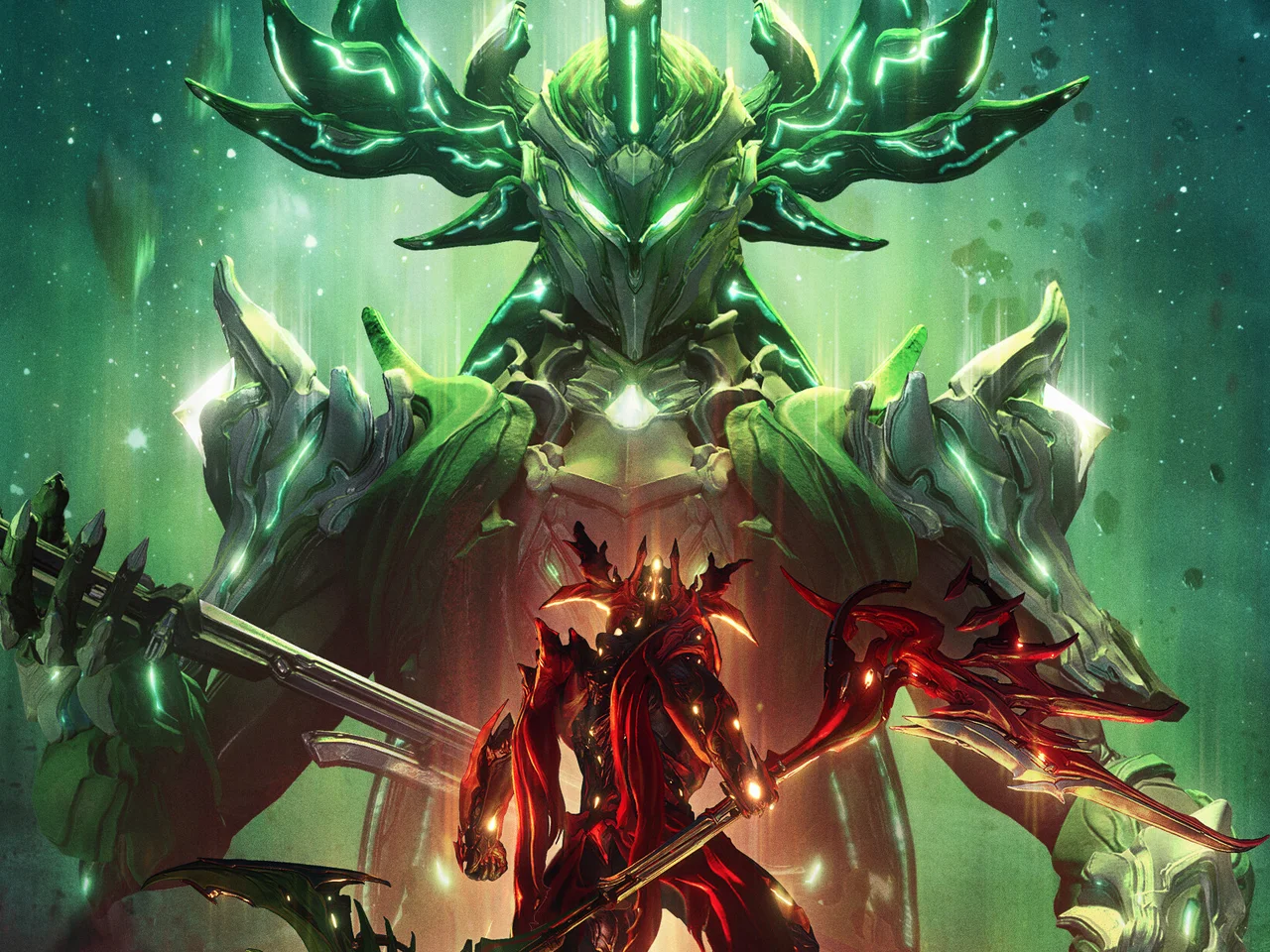
Warframe has become enormous, occasionally to the point of absurdity. Bullet jumping, dozens of Warframes, hundreds of weapons, Mods, Focus, Railjack, Necramechs, Steel Path, Duviri and more than a decade of layered systems could fill a live-service museum. Yet one thing remains remarkably intact: crossing a room at impossible speed before clearing it still feels fantastic.
It still begins with how a room feels to move through
PC Gamer's long-standing review identified the same foundation that continues to hold Warframe together: delicious combat underneath intimidating complexity. Years of additional systems have not changed the importance of bullet jumps, slides, double jumps and rapid directional movement.
That mobility transforms mission types that sound repetitive when reduced to objectives. Extermination is still extermination, but two Warframes can cross and clear the same tileset in radically different ways.
That matters because Warframe asks players to repeat a great deal.
Warframes behave like classes without trapping the account inside one
Every Warframe carries four abilities, individual statistics and its own interactions with weapons, Mods and later progression systems. Character choice is not permanent, however. Building another Warframe effectively adds another combat vocabulary to the same account.
Modding expands that freedom through range, duration, strength, efficiency, survivability and frame-specific augments. Builds can alter how dramatically a kit functions rather than merely adding a few percentage points.
MMORPG.com still found the accumulated complexity intimidating in 2025. Learning what a useful Mod does is straightforward. Understanding which Mods, Arcanes, Focus schools, Archon Shards and specialized synergies matter for a specific late-game build is considerably harder.
The grind is satisfying until probability stops cooperating
Warframe is deliberately built around repetition. Individual components belong to specific missions and rotations, resources come from particular regions and crafting can include real-time waits. When each run produces visible progress, the structure works extremely well.
Low drop rates expose the opposite side. Repeating a mission after everything interesting about it has already been solved remains one of the most consistent criticisms across old and recent coverage.
The important distinction is monetization. Most meaningful gameplay content can still be earned without buying access, while the player economy lets tradable items become Platinum. Spending accelerates progression and purchases convenience, but does not define the complete progression path.
Warframe's biggest obstacle is the scale of Warframe itself
Duviri borrows from roguelites. Railjack introduces cooperative ship combat. Open worlds carry their own economies and factions. Cinematic quests change pacing entirely. Warframe: 1999 adds relationship systems and another visual language on top.
Each layer can be compelling in isolation. Together, they make the menus resemble a development history preserved in software.
PCGamesN highlighted the issue before 1999 launched: some of the game's most attractive new material was positioned beyond a huge amount of older progression. The Old Peace later introduced a form of content skipping, evidence that Digital Extremes recognizes how difficult thirteen years of continuity can be for newcomers.
It still behaves like a game with a future
The 2026 update cadence makes Warframe difficult to treat as a service merely maintaining itself. The Old Peace prepared the journey toward Tau, Jade Shadows: Constellations continued another narrative branch, and Amir's Shockwave arrived during summer.
Iceblade of Narin is scheduled to add the 66th Warframe and six-player missions, while Tau is intended to take players beyond the Origin System later in 2026.
Thirteen years after release, Warframe still refuses to become smaller. The remarkable part is how well its core combat continues carrying the accumulated weight.
Strengths
- An exceptional movement system built around bullet jumps, slides and parkour
- Huge variety across Warframes, weapons and genuinely different builds
- Modding provides tremendous optimization depth
- An extraordinary amount of content for a fully free-to-play game
- New modes and expansions regularly reinterpret the core formula
- Premium currency can circulate through player trading
Weaknesses
- The new-player experience remains intimidating despite continued improvements
- Many systems are explained too briefly or long before they become relevant
- Farming specific resources and rare parts can become highly repetitive
- Older activities often feel like archaeological layers from different versions of the game
- The power gap between casual and optimized builds can be enormous
Warframe's central paradox is simple: it is simultaneously one of the most generous free-to-play action games available and one of the hardest to explain to somebody who has just installed it. Its parkour, gunplay, melee combat and especially the enormous variety between Warframes create an exceptional mechanical playground. Modding and buildcraft allow radically different setups without requiring direct purchases of power. Thirteen years of additions, however, have produced currencies, resources, interfaces and semi-isolated content systems whose relationships can become opaque. Digital Extremes keeps improving the new-player experience, but the community still frequently functions as the real tutorial. Accept that learning curve and some aggressive grinding, and Warframe remains an almost absurdly rich looter-shooter in 2026.