
Review
Rogue Trader: A Vast Buildcraft Playground That Is Finally Less Hostile Than It Was at Launch

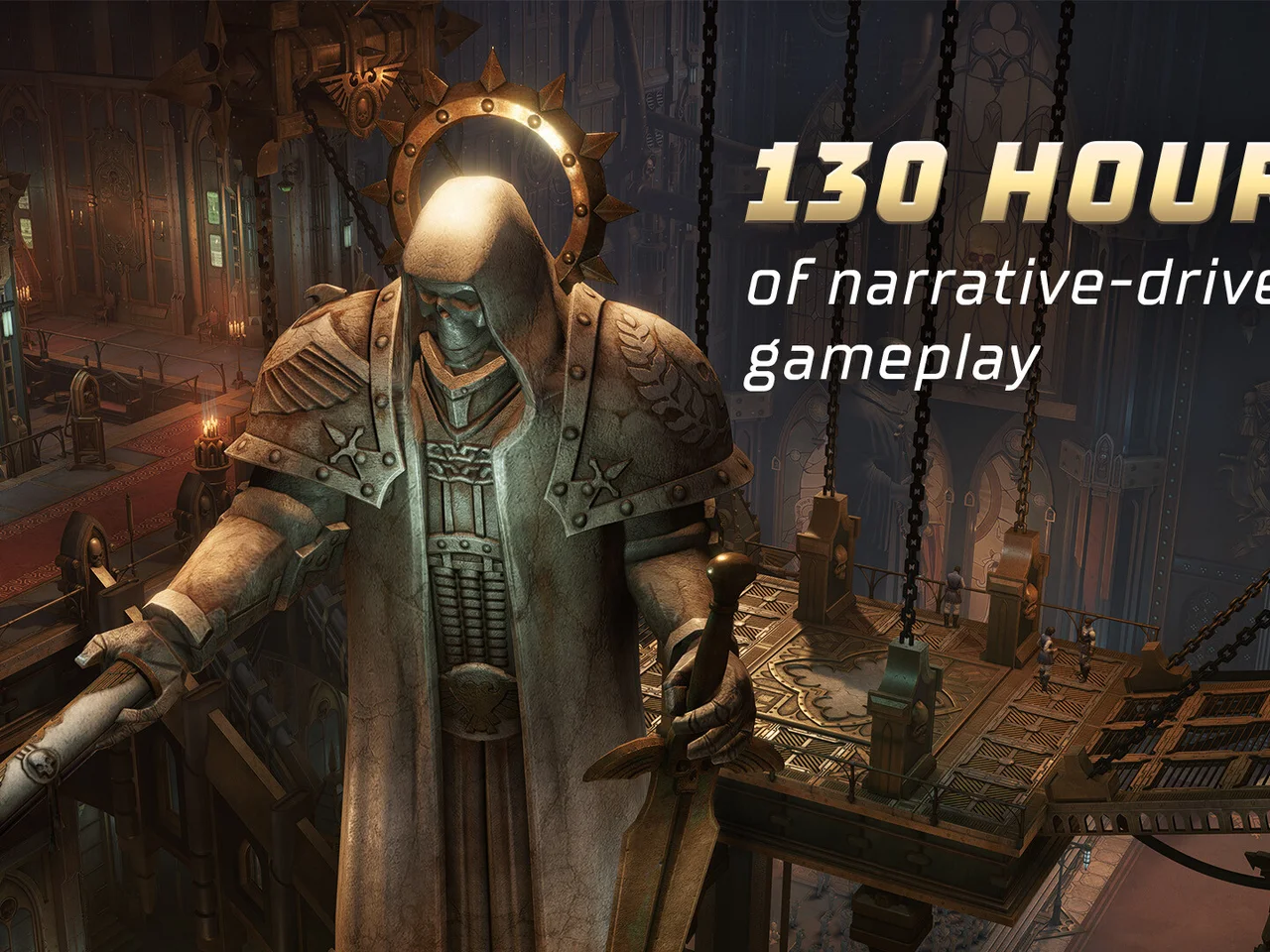
Under the mountain of talents, archetypes and percentage modifiers sits one of the most generous tactical systems in modern CRPGs. Patches have cleaned up much of the chaos, although Owlcat still occasionally treats “more depth” and “more menus” as interchangeable concepts.
The character sheet is almost a second battlefield
Rogue Trader starts from an excellent, dangerous idea: a character should not be reduced to a class. A Homeworld contributes one layer of traits, an Origin adds another, and an Archetype defines the tactical framework. A Psyker Officer and a Noble Officer can therefore share a label while behaving like substantially different builds. Talents, equipment, advanced archetypes and companion-specific rules multiply the permutations from there.
That is also where the game can make the Adeptus Administratum look user-friendly. At launch, a routine level-up regularly meant comparing dozens of conditional percentage bonuses. Major updates have reduced the friction. Patch 1.6 reworked Operative talents, fixed key Assassin interactions and added filtering and grouping to the talent-selection interface. The forest is still there; Owlcat has finally put up some signs.
Once the synergies start moving, turn-based combat gets vicious
Combat is built around a grid, cover, firing lines, action points and a delightful obsession with turn order. Officers, Operatives, soldiers, psykers and melee specialists do more than deal damage: they manipulate the economy of a round, hand out extra activations, prepare targets and build Momentum toward Heroic Acts.
The result can be spectacular. One character marks a target, another strips its defenses, an Officer hands out another activation, and a companion who should have been waiting several initiative slots suddenly clears half the encounter. The best builds create that classic CRPG satisfaction of understanding a rule well enough to use it against the game.
At launch, the downside was impossible to miss. Too many fights repeated the same preparation and buff sequence, one of PC Gamer's central complaints in 2023. Balance work has since made more abilities worthwhile and strengthened weaker classes, but encounter density remains an issue. Rogue Trader knows how to build a terrific tactical battle; it does not always know when it already has enough of them.
Being obscenely wealthy at least means not counting coins
One of the smartest secondary systems is the one that refuses a familiar RPG convention. A Rogue Trader does not empty a purse containing 847 credits to buy a sword. Wealth is abstracted through Profit Factor, while access to goods also depends on faction reputation. Loot becomes cargo that can be delivered to the groups within the dynasty's commercial network.
It works because the mechanic expresses social status without needing another speech. This is not an adventurer selling wolf pelts to afford healing potions; it is the head of a commercial power for whom many individual purchases are too trivial to count. Voidship combat follows the same logic, functioning as another expression of the title rather than a random minigame.
Colonies are less persuasive. Their projects, resources and bonuses are useful, but the layer can feel detached from immediate tactical decisions. It is less invasive than some of Pathfinder's grand-management systems, which is already an improvement, yet it often becomes a reward board to check rather than a compelling second game.
Chapter 2 opens the galaxy so wide that later acts feel smaller
The game's progression is less consistent than its character progression. After a comparatively directed opening, Chapter 2 opens the Koronus Expanse and lets exploration, trade, colonies, companion quests and star systems overlap. It is the point where separate tutorials finally become the daily business of being a Rogue Trader.
Chapter 3 deliberately removes several of those freedoms and tools. RPG Site found value in the imposed constraints while also noting that the later acts become increasingly on-rails. The contrast gives the campaign variety, but it creates the unusual sensation that Rogue Trader reaches maximum openness long before its ending.
Three years of patches moved the problem somewhere else
The 2023 criticism was about bugs as much as game design: broken quests, poor AI behavior and malfunctioning abilities sat on top of an already difficult ruleset. More recent coverage describes a materially different game. PC Gamer's 2025 and 2026 revisits argue that its systems have finally had enough refinement to dominate the experience, while Owlcat continues to rebalance classes and improve the interface.
The central problem today is no longer that Rogue Trader is fundamentally unreliable. It is that the game still demands an enormous amount of cognitive effort for decisions that can be very small. Levels arrive constantly, talent pools are vast, and some battles could vanish without taking a meaningful idea with them.
When everything clicks, however, very few CRPGs are as satisfying at letting players construct an intentionally ridiculous squad, discover exactly why it works and watch a dangerous encounter collapse under the weight of its own spreadsheet.
Strengths
- Extremely rich character building through Origins, Homeworlds and Archetypes
- Turn-based combat capable of excellent action chains and party synergies
- Profit Factor, cargo and reputation systems fit the Rogue Trader fantasy
- Space combat and secondary systems feel better integrated than in several previous Owlcat RPGs
- Post-launch updates have substantially improved balance and progression readability
Weaknesses
- Level-ups arrive too frequently and talent screens remain intimidating
- Too many encounters can turn tactical depth into routine
- Some management layers, especially colonies, remain rather passive
- Chapter 2's openness clashes sharply with much more restrictive stretches later on
Rogue Trader has not become simple, and that is a good thing. It has become more legible. Its best moments come when a build planned twenty levels earlier turns an apparently lost round into a methodical massacre. Talent bloat and encounter density still exhaust the player at times, but the system is now coherent and polished enough for its complexity to feel more like a reward than paperwork.