Review
War Thunder in 2026 — superb vehicle combat still trapped inside its grind
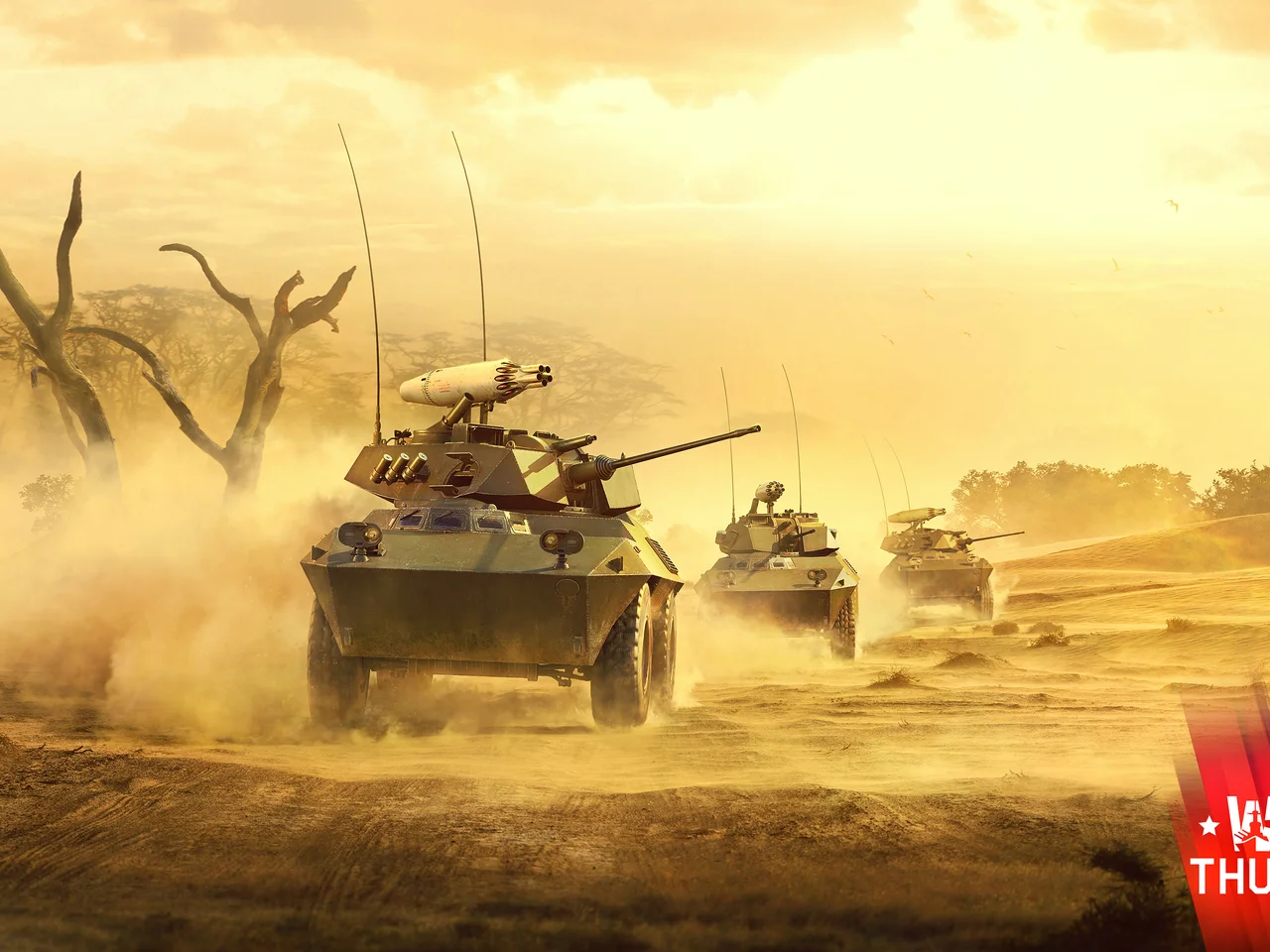
More than a decade after arriving on Steam, War Thunder remains remarkably difficult to replace: localised damage, ballistics, armour, aviation and combined-arms battles create a game where knowing the machine genuinely matters. That depth is still wrapped in an immense progression ladder, a harsh learning curve and an economy capable of turning the next unlock into a part-time job.
A shell does not simply subtract health
War Thunder still works because shooting is more interesting than passing an accuracy check. Armour thickness, angle and geometry matter, and behind the plate sit crew, ammunition, breech, engine, fuel and other modules. A mediocre penetration might achieve almost nothing; a few centimetres away, the same round can immobilise or destroy the vehicle.
Current 2026 reviews strongly converge on this point. Learning where to shoot, which ammunition to carry and what machine is facing you creates progression that exists independently from the research tree. A death can become a mechanical lesson because damage feedback and replays help explain why an apparently good shot failed.
Aircraft reward a different set of knowledge. Energy, altitude, speed, exit routes and individual flight characteristics become increasingly important as assists disappear. Naval combat slows the feedback loop again. War Thunder's scale comes from these different disciplines before it comes from the size of the garage.
Three rule sets keep it from serving only one audience
Arcade exposes more information, speeds up engagements and lets players learn without every error carrying a long return to combat. Realistic removes assistance and makes identification, distance and positioning more consequential. Simulator pushes further and comfortably accommodates joysticks, head tracking and VR.
That progression of intensity remains one of the game's cleverest structural decisions. War Thunder can initially resemble an approachable vehicle shooter and gradually reveal something much closer to an accessible simulation without asking players to move into another ecosystem.
The difficult part is information rather than basic input. Battle Rating, lineups, armour weak points, shell behaviour, radar, missile logic and map sight lines can settle an engagement before mechanical reflex becomes decisive.
Combined arms create spectacle and unfairness at the same time
Ground battles are often at their best when several threat layers overlap. A tank holding an excellent firing position also has to consider aircraft, anti-air cover and a changing frontline. A choice that was correct thirty seconds ago can become dangerous because another domain entered the fight.
That structure produces frustration too. An air strike can feel brilliant to its pilot and abrupt to the tanker underneath it. A lineup without an appropriate counter can have few satisfying responses. Current reviews repeatedly identify this tension: combined arms gives War Thunder its extraordinary battlefield scale but not the perfect readability of a symmetrical duel.
Battle Rating has to hold this enormous technology span together, and those numbers continue to move. Gaijin implemented another planned BR adjustment in August 2026. A small decimal change can alter an entire set of regular opponents.
Progression can consume the game beneath it
The most consistent criticism in the 2026 review corpus is not the shooting, driving or flying. It is the ladder wrapped around them. Early ranks encourage experimentation; later research, purchase costs, modifications and crew investment make pursuing a particular top-tier vehicle increasingly expensive in time.
Premium accounts and premium vehicles accelerate that journey. They do not teach map knowledge or shot placement, but they reduce friction created by an exceptionally long progression structure. GameSelecto, BuffHaven and entegg reach similar conclusions despite different review methods: the vehicle combat is the reason to stay, while progression pressure is the part most likely to wear the player down.
War Thunder is healthier when the next famous modern machine stops being the definition of success. Find a vehicle bracket that already creates good matches and the research tree becomes background noise. Treat every current vehicle as an obstacle before the next unlock and the same structure starts resembling work.
Sky Odyssey keeps making an already huge game larger
The September 16, 2026 Sky Odyssey update is a good snapshot of the live service: Greek vehicles, the Australian CA-27, India's Arjun Mk 1, Indonesia's Harimau, the Darwin Hill ground map and further revisions to existing systems. Nuclear Escalation, Naval Confrontation and Bullet Hell are now permanent submodes.
Content scarcity is therefore not War Thunder's problem. Readability, onboarding and economy have to keep pace with a game now advertising more than 3,000 vehicles. When account progression fades from attention and the match becomes purely about trajectory, armour and battlefield knowledge, the underlying combat remains unusually difficult to replace.
Strengths
- Damage modelling genuinely rewards knowledge
- Air, ground and naval combat demand very different skills
- Arcade, Realistic and Simulator cover several levels of commitment
- Combined-arms battles can create unique situations
- Enormous vehicle roster and long-term content support
Weaknesses
- Extremely long high-rank progression
- Interface and systems are difficult for newcomers to absorb
- Combined arms can create deaths with limited immediate counterplay
- Battle Rating changes regularly reshape balance
- Premium progression remains closely tied to grind friction
War Thunder still has an exceptional core. Few multiplayer games reward studying armour, trajectories and individual machines this effectively, and its variety has become almost absurd. The problem is everything that depth has to carry: grind, currencies, gigantic trees and a severe learning curve. Played for its battles rather than as a race to the top, it remains remarkable.