
Review
Forza Horizon 6: Japan makes a familiar formula brilliant all over again
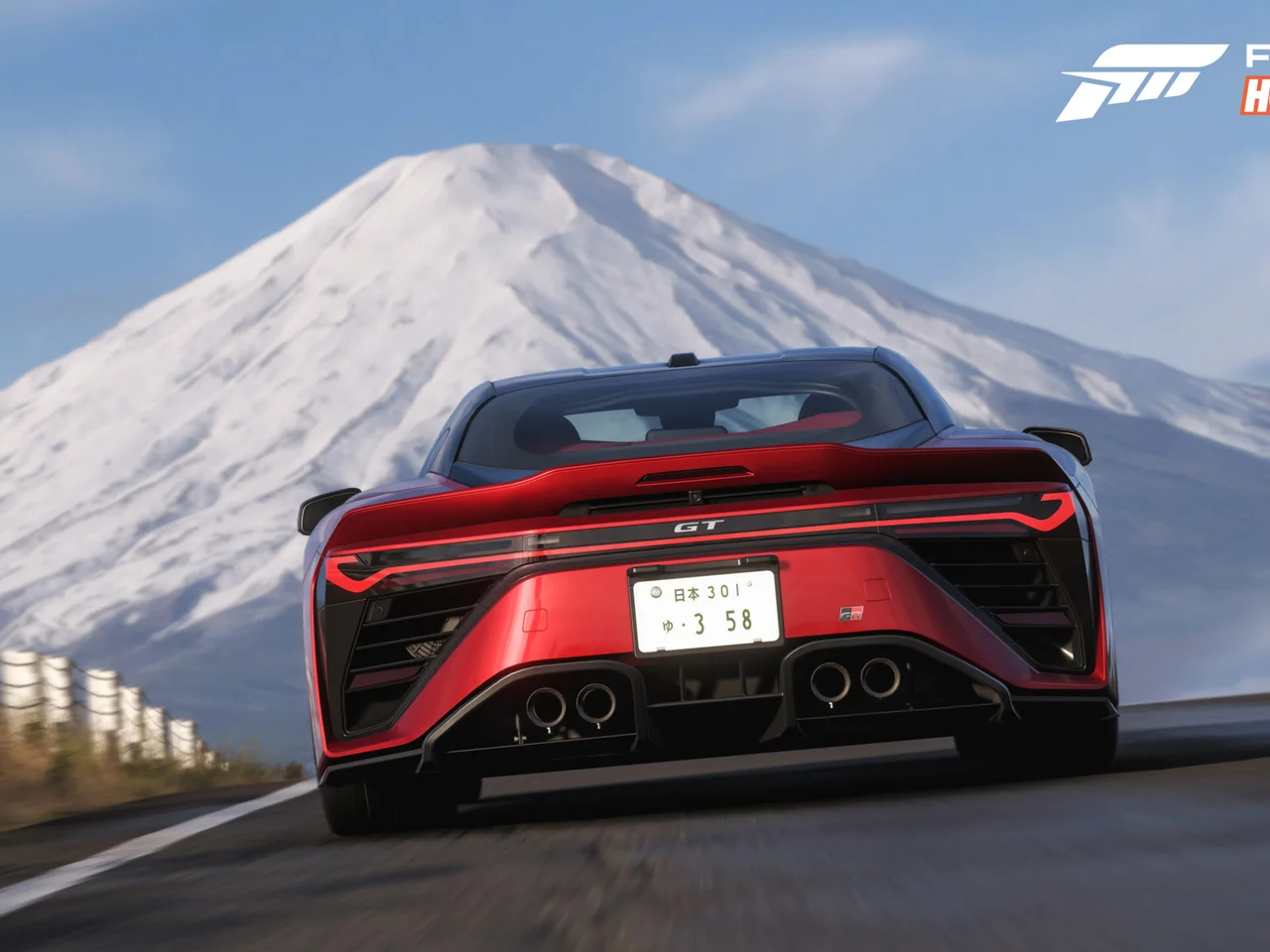
Playground Games barely reinvents its formula, but chooses the perfect setting to demonstrate why Horizon still dominates open-world racing. Mountain passes, Tokyo, wristband progression and more than 550 cars create an exceptional driving playground, even if the reward economy remains far too generous.
Forza Horizon 6 begins with something the series had almost forgotten: the player is not automatically important.
You arrive in Japan as a tourist, qualify for the Horizon Festival and work through wristbands before faster categories properly open.
It is a modest change that fixes more than it initially appears to.
Progression has direction again
Festival rounds create clearer milestones, with Horizon Rush events acting as skill-focused gateways between parts of the campaign.
PC Gamer welcomes the stronger sense of progression, although Horizon's enormous generosity still undermines it. Loyalty rewards and constant car drops can put extremely capable machinery into the garage long before the campaign wants the player to feel established.
Japan is valuable because of its roads
The visual fantasy is obvious, but the more important achievement is mechanical variety. Tight mountain passes, broad urban highways, rural routes, mud, snow and Tokyo streets create radically different demands without changing the core handling model.
GameSpot praises how much useful driving space Playground extracts from the setting, while The Guardian highlights how naturally different vehicles respond across surfaces.
The handling remains the real foundation
Forza Horizon still occupies an unusually effective space between arcade immediacy and simulation behaviour.
A lightweight Japanese coupe, an off-road truck and a high-powered supercar communicate weight and grip differently enough to matter while remaining playable without specialist hardware.
More than 550 cars have more structure around them
The launch roster exceeds 550 vehicles and has been rebalanced across performance classes, including the new track-focused R Class.
Updated Forza Aero, window liveries, expanded wheel customisation and cosmetic tyre wear add detail without overwhelming the approachable tuning model.
Aftermarket Cars are the more playful addition: vehicles parked around the world can be test-driven and purchased, giving exploration a direct connection to collecting.
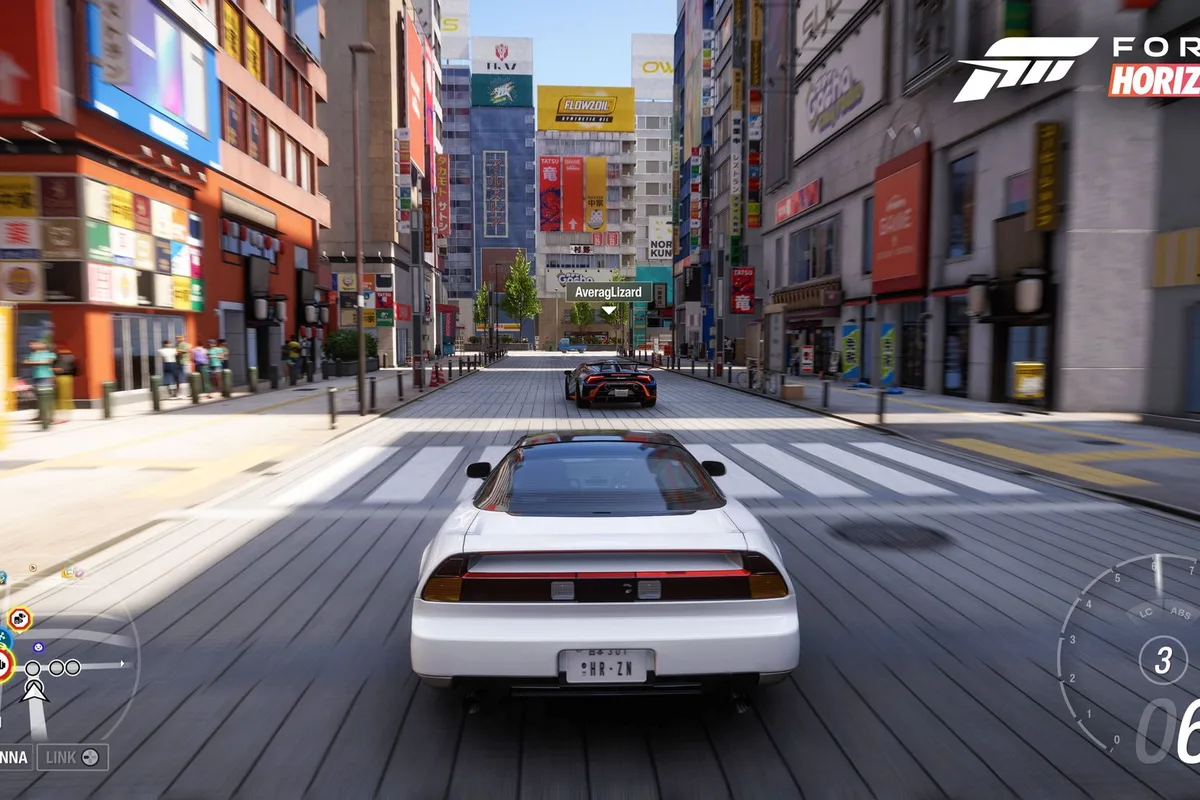
Tokyo is an excellent road network and an imperfect city
Playground describes Tokyo City as five times larger than Horizon 5's Guanajuato, with distinct districts ranging from downtown streets to industrial docks.
The Guardian identifies the central illusion-breaking problem: a city famous for human density feels strangely sterile when largely emptied of pedestrians and everyday urban noise.
Not every side activity earns its place
Discover Japan tours, deliveries, photography, Rush events and the usual assortment of open-world challenges create enormous variety on paper.
PC Gamer finds several side activities repetitive, while some major showcases rely more on spectacle than racing quality.
Social driving fits more naturally into the map
Car Meets, Drag Meets and Time Attack Circuits live directly inside the shared world rather than behind conventional matchmaking.
That matters in a game built around automotive culture. Turning up at a meet feels better than selecting one from a playlist.
Familiarity is now the real criticism
PC Gamer and GameSpew both arrive at the same uncomfortable conclusion: five years after Horizon 5, this remains fundamentally the same structure.
Japan is strong enough to make that structure feel exciting again. The next destination may not be.
Strengths
- Best driving map in the series
- Outstanding handling model
- Welcome return of wristband progression
- More than 550 varied cars
- Touge Battles fit the setting beautifully
- Aftermarket Cars reward exploration
- Social activities integrate naturally into the open world
Weaknesses
- Overall formula has changed very little
- Reward economy remains far too generous
- Some side activities are repetitive
- Tokyo feels strangely underpopulated
- Several showcases prioritise spectacle over driving
Forza Horizon 6 looks a great deal like its predecessor, but moves that formula into perhaps the best possible setting for it. Japan supplies exceptional highways, technical mountain roads and urban environments, while wristband progression finally restores some direction to the campaign. The economy remains too generous and several side activities feel recycled. Playground Games nevertheless retains what no competitor has convincingly taken from it: the best mainstream automotive sandbox around.