
Review
Crimson Desert: too many buttons, far too many ideas, and combat good enough to justify most of them
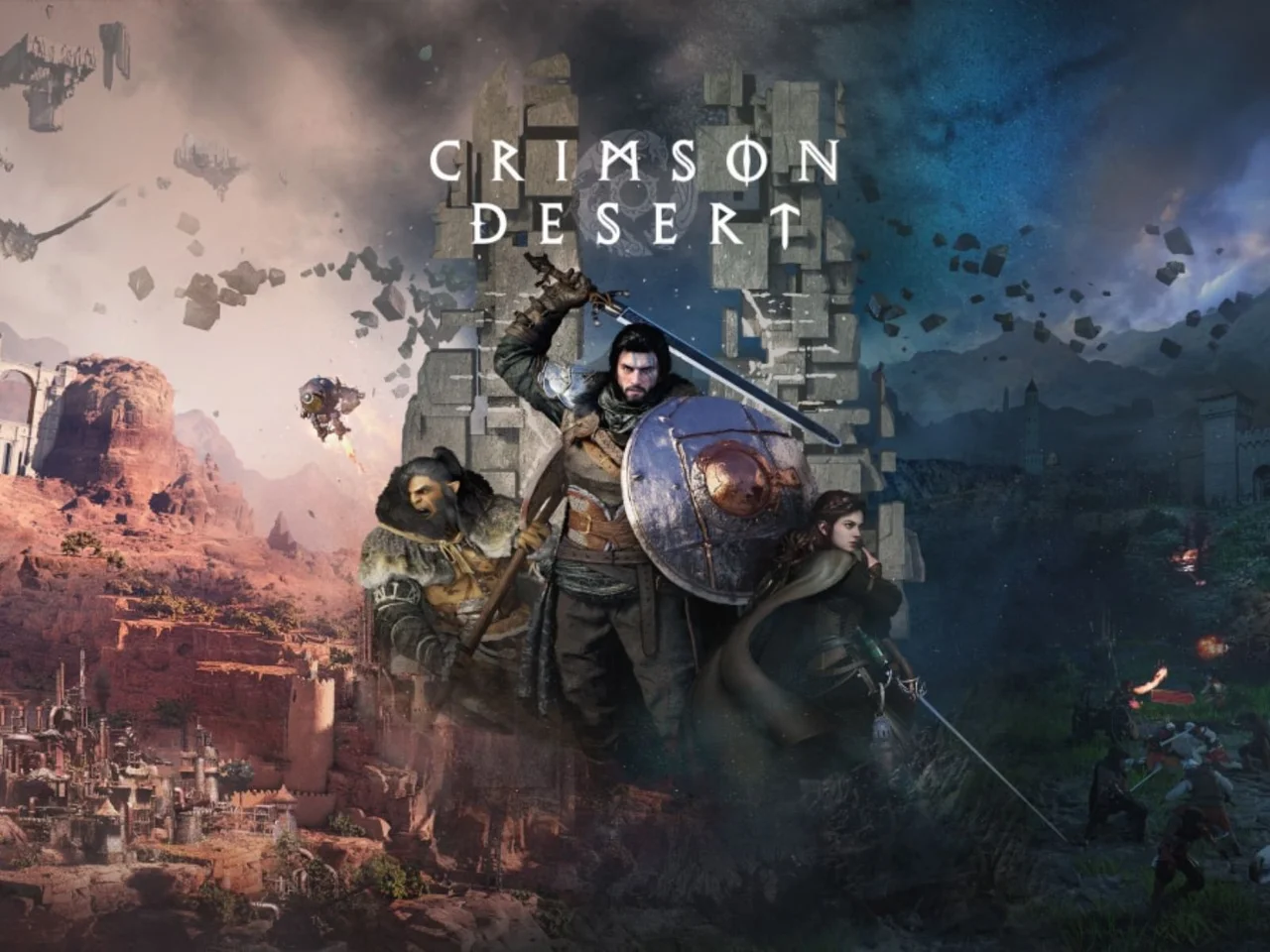
Crimson Desert piles wrestling moves, swords, Abyss powers, climbing, dragons, gadgets and dozens of systems on top of each other without always explaining them well. Once that chaos clicks, its combat offers unusual freedom for an open world of this scale.
Crimson Desert is a game in which Kliff can draw a sword, parry a soldier, grab somebody with supernatural force and then transition into something resembling professional wrestling.
None of this is presented with admirable restraint.
Learning the controls is part of the difficulty
PC Gamer describes an unusually dense and cryptic control scheme, which fits a combat system carrying far more verbs than most open-world action games. Basic attacks sit alongside counters, dodges, grapples, special moves and Abyss abilities.
GameSpot and TechRadar are much more enthusiastic once those systems begin to connect. Stunned enemies can become combo opportunities, traversal-style powers can enter combat, and unarmed attacks are developed enough to support entire approaches rather than acting as novelty finishers.
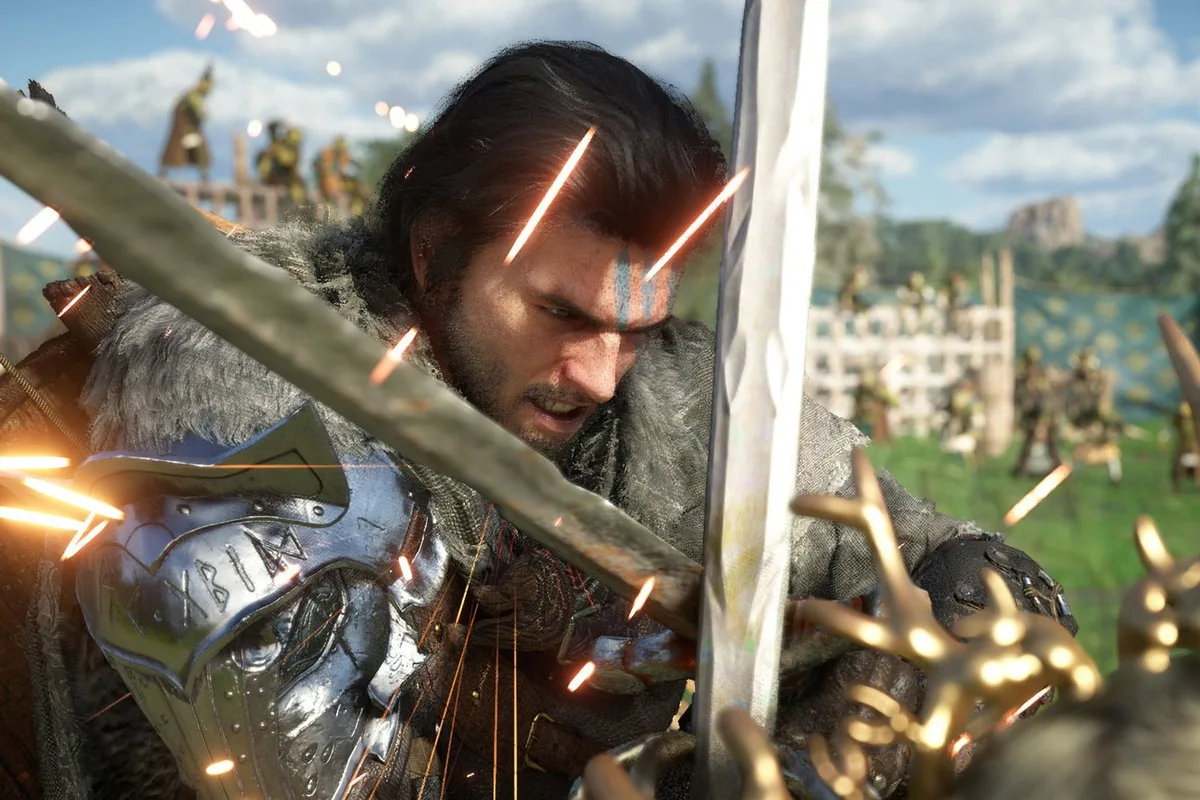
The wrestling is not a joke
TechRadar highlights clotheslines, suplexes, elbow drops and other grappling attacks as genuine parts of the combo language. They also reveal something important about Pearl Abyss's design priorities: Crimson Desert would rather let the player experiment than preserve a perfectly clean combat identity.
That freedom becomes one of the game's strongest arguments.
Bosses sometimes push the system beyond comfort
Several critics are less impressed by major boss encounters. TechRadar reports highly aggressive enemies, extremely damaging attacks and multi-phase fights that can feel unfair. PCGamesN is similarly critical of some bosses and the general feel of combat.
Regular encounters tend to expose the system more gracefully. Groups can be repositioned, thrown, stunned or attacked with several different toolsets without one enormous health bar controlling the entire rhythm.
Exploration provides the cleaner progression loop
GameSpot's review repeatedly praises the moments when a distant landmark becomes a self-created objective. Pywel is built for that kind of curiosity, and its climbing and traversal systems make vertical landmarks genuinely reachable rather than decorative.
Abyss Artifacts add another reason to wander because exploration can directly unlock new abilities rather than merely another piece of loot.
Then the MMO ancestry appears
Inventory management, unusual interfaces and systems stacked without enough explanation are recurring complaints across the corpus. PC Gamer explicitly connects some of those archaic decisions to Pearl Abyss's long history operating an MMO.
TechRadar found inventory management particularly disruptive, while Game Informer describes a broader accumulation of small frustrations inside an otherwise impressive open world.
Excess is the design
A more disciplined game would almost certainly be easier to recommend universally. It might also be less interesting.
Crimson Desert's mechanical personality comes from the fact that Pearl Abyss rarely appears willing to remove an idea merely because another one already occupies the same space. Sometimes that creates clutter. Sometimes it creates a combat sandbox few competitors can match.
Strengths
- Exceptionally deep combat system
- Great freedom to mix weapons, grapples and powers
- Exploration driven by curiosity rather than icons alone
- Huge variety of traversal and encounter options
- Impressively dense open world
Weaknesses
- Extremely demanding control-learning curve
- Some bosses feel unfairly aggressive
- Tedious inventory management
- Too many systems are poorly explained
- Accumulation can damage the pacing
Crimson Desert is easier to admire than to explain cleanly. Its combat has genuine depth and Pywel constantly rewards detours, but Pearl Abyss carries too many MMO habits into the experience and several bosses push difficulty in a less interesting direction. It is messy, demanding and frequently brilliant because it almost never chooses only one idea.