
Review
Valheim 1.0 review: five years later, its best mechanic is still making your life difficult
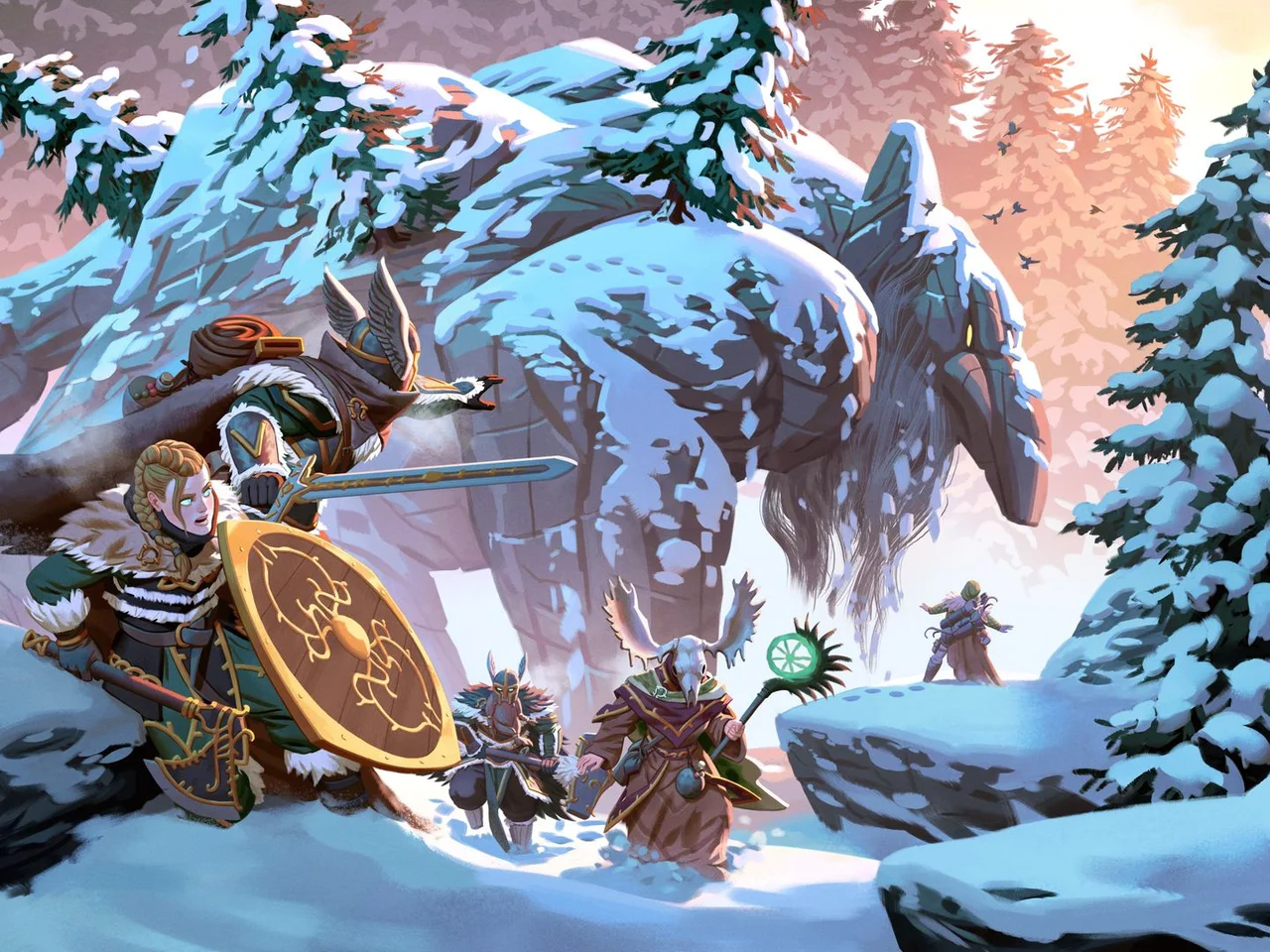
Version 1.0 adds the Deep North and a proper ending, but Valheim's core remains intact: survival friction, dangerous expeditions and the relief of returning home form one of the genre's strongest progression loops.
A survival game that understands why preparation has to matter
The recurring point across 1.0 reviews is how tightly Valheim's systems reinforce one another. Food does not punish you with starvation; it defines your available health and stamina. New materials reveal recipes, recipes open new combat options, bosses unlock the next stage of progression, and every biome forces some part of your preparation to evolve.
On paper, that could become a painfully mechanical ladder. The world keeps disrupting it. The silver is on a mountain far from the coast. The ship is far from the forge. Portals reject certain metals. A task that another game would reduce to fast travel becomes an expedition.
PC Gamer specifically highlights how those restrictions produce memorable journeys involving carts, ships, storms, monsters and the tension of bringing valuable ore safely home. It is inconvenient by design. Crucially, the inconvenience makes geography matter.
A base is more than a crafting menu with a roof
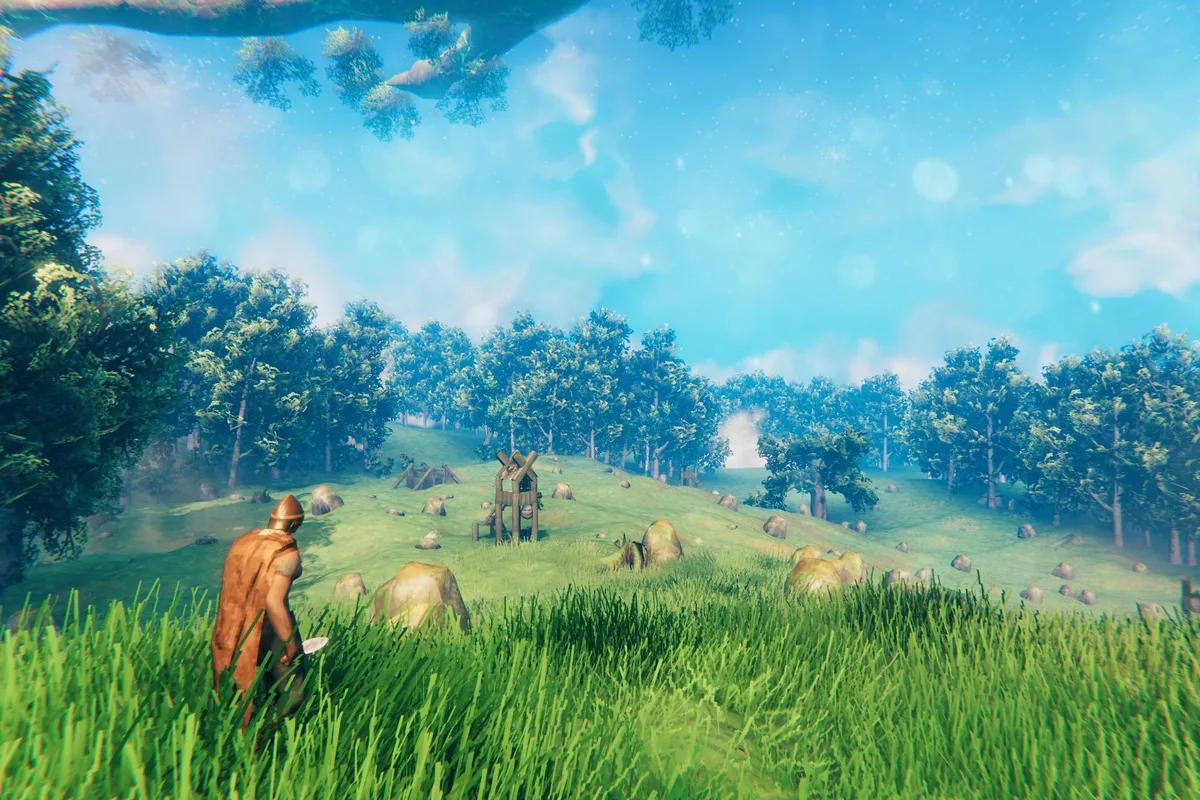
Building remains one of Valheim's strongest systems. Support, structural integrity, smoke, ventilation and workstation placement all matter, gradually turning a home into a logistical machine as much as a decorative project.
The game also makes returning home feel good. Several reviews dwell on the contrast between dangerous expeditions and the strange peace of cooking, farming, repairing walls or spending an entire evening extending a supposedly temporary cabin.
It forms an elegant reward loop: exploration improves the home, and the home enables the next exploration.
Combat is straightforward, but gear never plays the game for you
Valheim is not an exceptionally elaborate action game. Dodges, blocks, parries, stamina management and weapon-specific attacks make up most of its combat vocabulary. What gives the system bite is consequence.
Wrong food, a forgotten resistance potion or an impulsive trip into the next biome can turn a short excursion into a lengthy corpse-recovery operation. Proper meals, rested bonuses and the right equipment can make that same area feel manageable.
Preparation becomes a skill rather than a checklist.
Friction is also Valheim's oldest weakness
The design is less convincing whenever inconvenience stops creating interesting situations. Iron mining in swamp crypts remains monotonous. Mistlands can frustrate through visibility rather than meaningful danger. Ashlands remains a controversial difficulty spike even after adjustments.
Version 1.0 does not sand those edges away. It adds options and improvements, but material gathering can still consume an entire session, particularly solo.
Some omissions also feel older now than they did in 2021. The inability to craft directly from nearby storage stands out after so many survival games adopted it as standard quality-of-life design.
The Deep North finally gives the progression a destination
The last biome completes the climb through Valheim's world and adds more than forty weapons, new armor, over ten creatures, dozens of materials and foods, new construction pieces and additional mechanics.
Critical reception is not uniformly enthusiastic about every part of it. PC Gamer notes recycled enemy families and familiar underground layouts. Other reviews respond more strongly to the biome's atmosphere, larger structures and the difficult chain of tasks leading to the final confrontation.
Even the disagreement is revealing: Valheim's journey to a boss is often more memorable than the boss itself.
1.0 gives the sandbox an ending without turning it into a checklist
Valheim now has a proper conclusion, something surprisingly rare in this kind of survival sandbox. New narrative sequences provide more connective tissue, but the game still refuses to fill its world with quest markers and exposition-heavy NPCs.
Progress remains driven by curiosity, resources and the question of what lies beyond the next coastline.
Version 1.0 is not a reinvention. It is evidence that the original design was unusually strong.
Strengths
- Exceptionally clear and rewarding biome progression
- Building, cooking, gear and exploration all reinforce the same loop
- Transport restrictions create real expeditions instead of pure busywork
- Excellent co-op without making solo play impossible
- An enormous amount of content now capped by the Deep North
Weaknesses
- Some biomes push deliberate friction into genuine tedium
- Material gathering can become especially slow when playing alone
- Missing conveniences such as crafting directly from storage now feel dated
- The Deep North reuses more familiar enemies and structures than expected
Valheim 1.0 has not modernized every old habit and still refuses to treat convenience as automatically good design. That can be irritating and occasionally exhausting, but much of its friction gives preparation, exploration and the journey home genuine weight. Five years of additions have turned an already excellent survival loop into a huge adventure. The genre has borrowed heavily from Valheim since 2021, yet Valheim barely needed to change its philosophy to remain one of the best examples of it.