News News Official
Monster Hunter Wilds: Ascendance is not just adding moves — all 14 weapons are getting Boosted
Changing fourteen Monster Hunter weapons at once is the sort of decision that can generate several hundred pages of frame-data arguments before breakfast. Ascendance is doing it through one shared system: attack to build Boost Bracer energy, trigger a Boost Driver, and temporarily turn a familiar weapon into something much less restrained.
 By Hugat Monster Hunter Wilds: Ascendance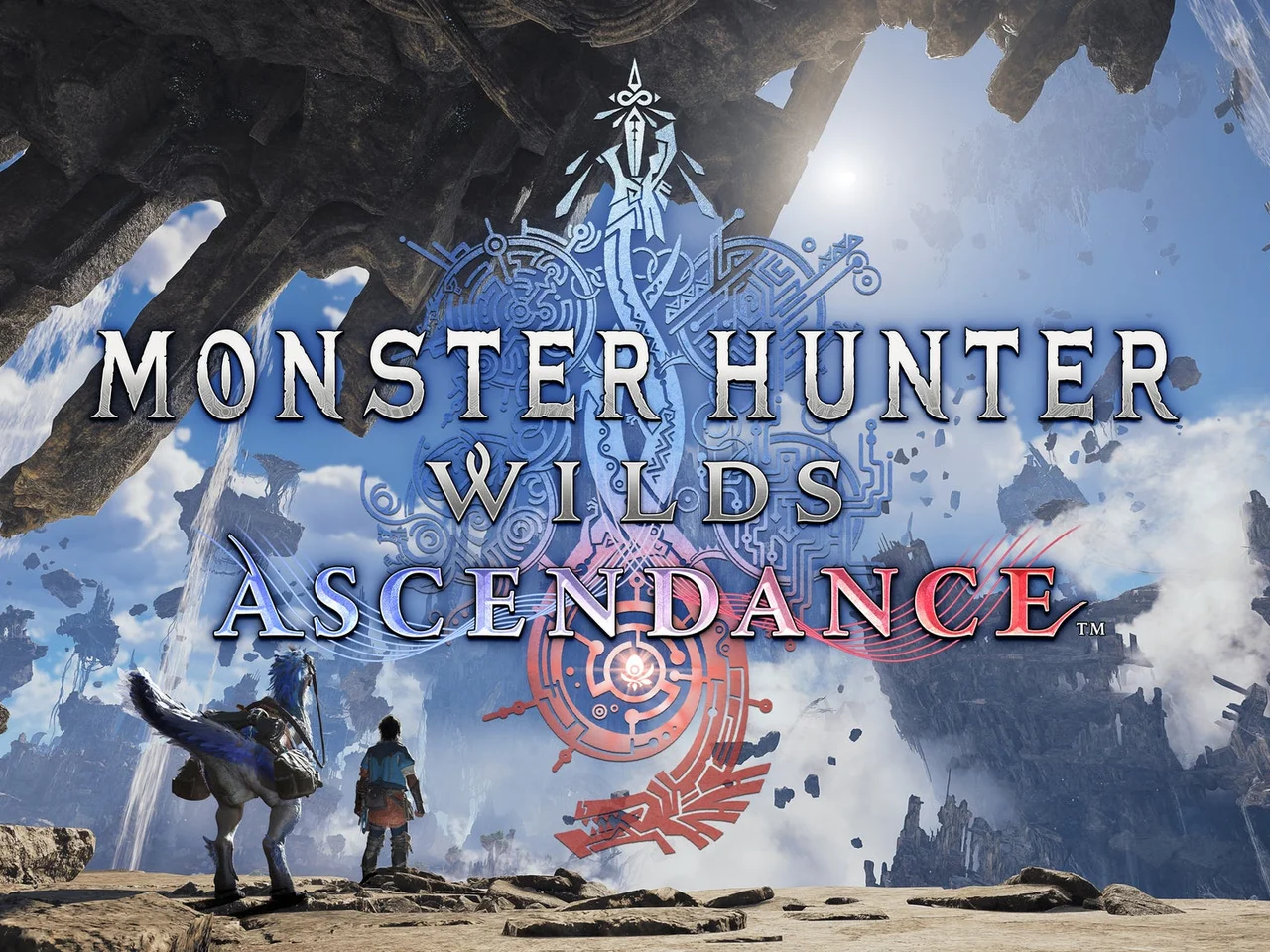
Capcom began a daily series of Monster Hunter Wilds: Ascendance weapon demonstrations on September 2. By September 8, seven of the fourteen weapon types had received dedicated Boosted Action breakdowns.
Great Sword came first, followed by Bow, Dual Blades, Hammer, Light Bowgun, Charge Blade and finally Sword & Shield.
Boost energy rewards staying on offense
The Boost Bracer is a new piece of equipment connected to the Hunter's Slinger. Energy builds as the player attacks rather than simply filling on a passive timer.
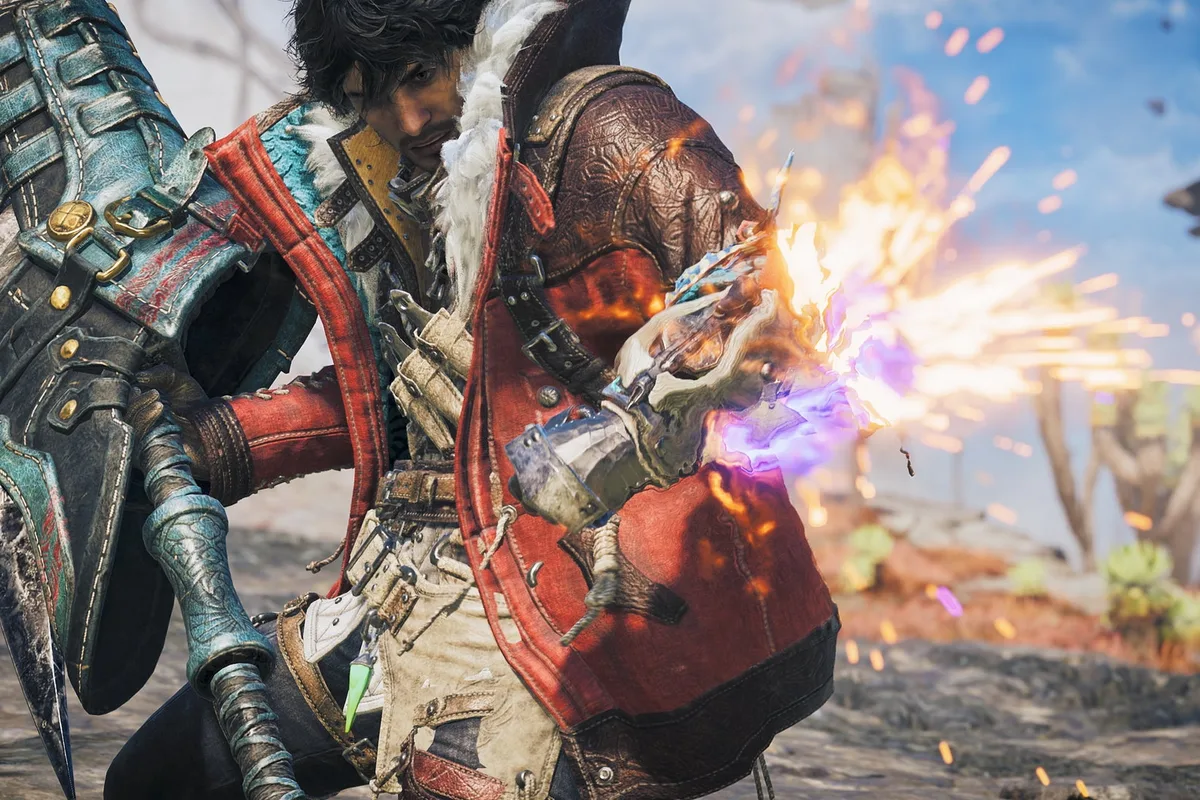
That energy can be spent through a Boost Driver or other weapon-specific actions to activate a temporary Boost state.
Boost does more than raise damage. Depending on the weapon, it unlocks additional combos, stronger attacks, new movement and altered defensive opportunities.
That distinction is important. A universal damage multiplier would quickly become something hunters trigger whenever the icon lights up. Different weapon interactions give the system a chance to become part of actual weapon mastery.
Sword & Shield gets even harder to categorize
Sword & Shield's Boosted Actions include empowered combo sequences and Bladecoating Slash.
More unusually, the weapon can latch onto wounds from a distance.
For a short-range weapon built around mobility and constant access to items, that provides another way to reconnect with an injured monster part without simply running after it.
The weapon is not becoming ranged. It is becoming better at staying where its short-range pressure matters.
Charge Blade gets a much less patient route to its payoff
Charge Blade's Boost kit includes a powerful elemental discharge, energy-enhanced sword attacks and instantaneous phial charging.
That final ability could be the most consequential. Charge Blade traditionally asks players to build and manage several resources before cashing them out through its strongest attacks.
Compressing that preparation under specific Boost conditions can dramatically change its rhythm even if the basic moveset remains recognizable.
The balance question is equally obvious: if Boost bypasses too much setup too cheaply, the weapon risks losing some of the tension that makes its larger payoffs satisfying.
Great Sword can bring its commitment forward
Great Sword's Boost Driver throws the Hunter forward, helping address the very traditional Great Sword problem of beginning a powerful charge just before the monster decides to stand somewhere else.
Boosted charged slashes gain explosive power, while Offset Attacks can be chained more aggressively.
Capcom is not turning Great Sword into a fast weapon. It is giving a deliberately slow weapon more ways to preserve momentum after committing to an attack.
Hammer suddenly cares a lot about altitude
Hammer receives stronger aerial attacks, explosive movement options and predictably enormous impact attacks.
Vertical access may matter more than the spectacle. A hammer wants the monster's head, and not every monster has the courtesy to keep that head at convenient bonking height.
Boosted mobility gives the weapon another route toward its preferred target without changing its central KO identity.
Light Bowgun turns Boost into movement
Light Bowgun's new actions emphasize running and firing, gunslinging counters and sustained bullet storms.
That fits the weapon better than a single stationary super attack would. Light Bowgun already succeeds by maintaining pressure while repositioning, so Boost amplifies its mobility rather than asking it to stop.
Dual Blades and Bow exaggerate different strengths
Dual Blades gain an extended demonic barrage, tighter control through combo sequences and increased melee reach.
Bow gains stronger ranged firepower while also receiving aggressive close-range options.
A pattern is emerging across the videos. Capcom is not distributing one identical ultimate move across fourteen categories. Boost either pushes an existing strength further or temporarily loosens one of a weapon's traditional limitations.
Master Rank is waiting behind the new toys
Ascendance also introduces Master Rank, so these additional abilities arrive alongside a substantially higher tier of hunting challenges.
Players will need Hunter Rank 40 and completion of the seven-star quest Awaking From a Dream before starting the expansion story.
That relationship will determine whether the Boost Bracer works. Giving hunters stronger tools is only interesting if Master Rank monsters can force meaningful decisions about when and how to use them.
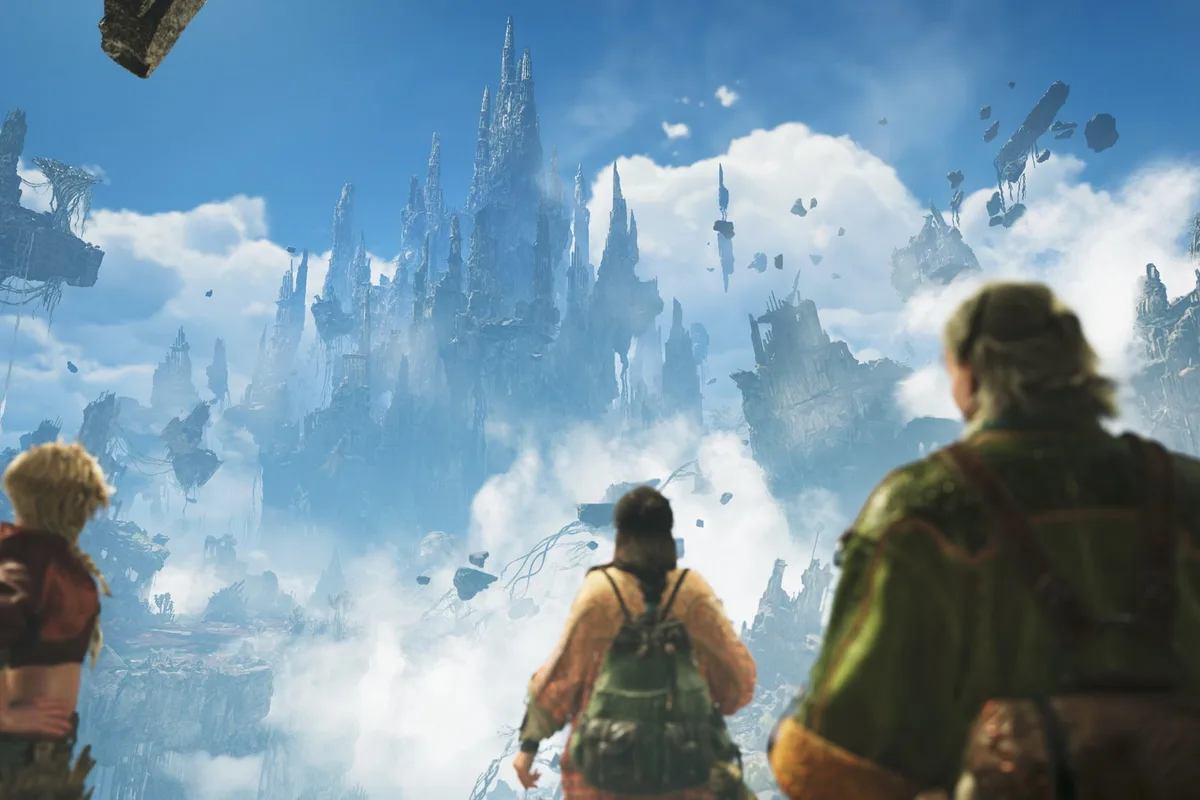
Skybound Eyrie changes traversal as well
The Expedition Team travels above the Forbidden Lands into a new locale made of floating islands and ancient ruins suspended among the clouds.
Seikret gains access to updrafts that allow it to glide between elevated sections of the map, making the area's verticality part of traversal rather than scenery alone.
The expansion introduces additional monsters and brings Elder Dragons into a major role in the story. Kushala Daora is already officially confirmed to return.
Seven weapons down, seven still to inspect
As of September 8, Capcom has shown dedicated Boosted Action videos for half of Monster Hunter Wilds' weapon roster.
The remaining demonstrations will help answer the larger design question: can one common expansion mechanic make every weapon feel broader without making them feel more alike?
Monster Hunter Wilds: Ascendance launches in 2027 for PlayStation 5, Xbox Series X|S and PC through Steam. The Monster Hunter Wilds base game is required.