
News News Official
WARDOGS sells a million copies in one day, then its servers learn what success costs
WARDOGS wanted to find out whether players were interested in a middle ground between Battlefield-scale spectacle and slower military shooters. The answer arrived with very little subtlety: more than one million copies sold on day one, over 340,000 concurrent Steam players and servers that quickly discovered they had been invited to the same battle.
 By Hugat WARDOGS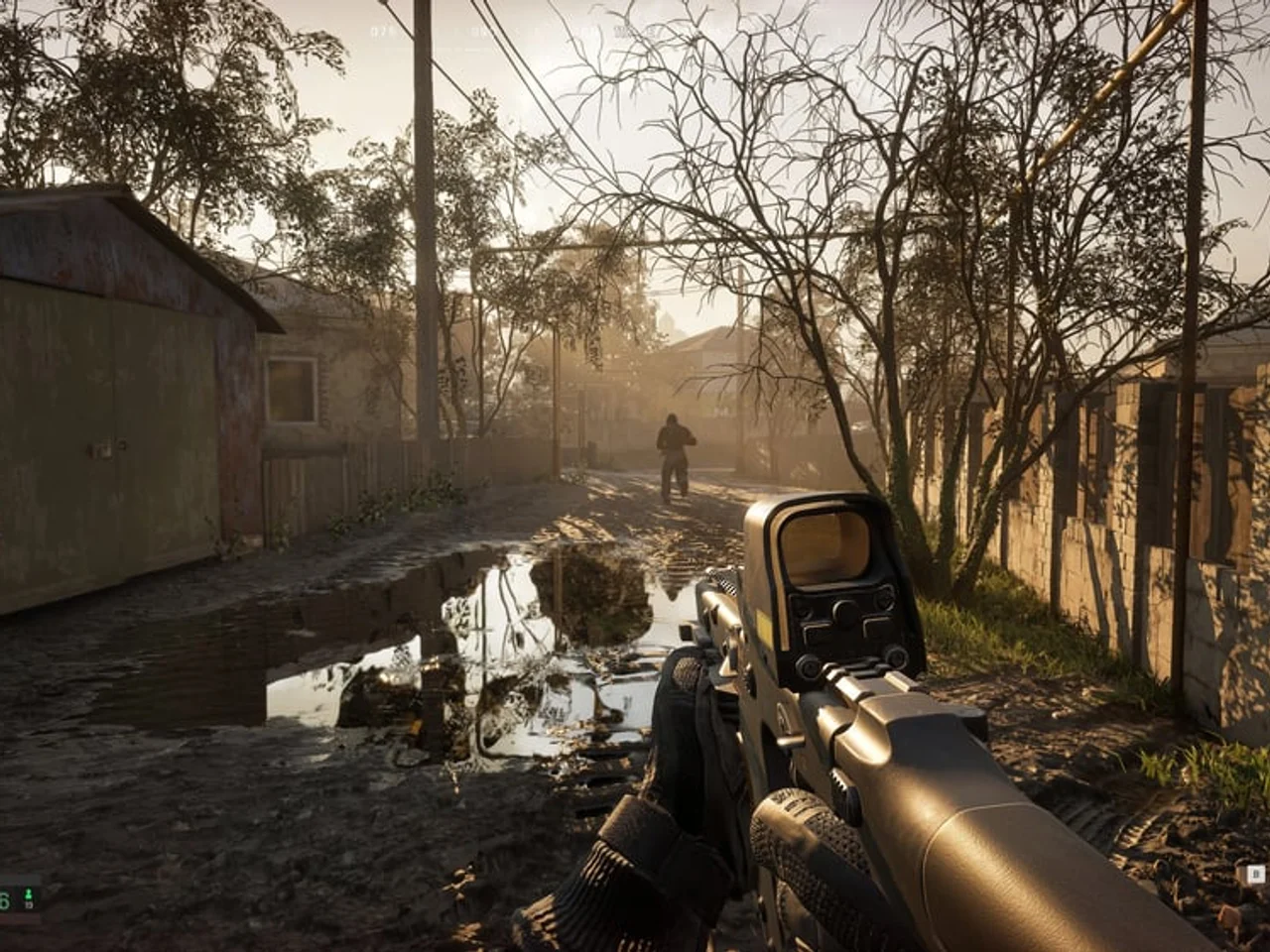
WARDOGS entered Steam Early Access on September 10. BULKHEAD and Team17 announced more than one million copies sold during its first day, while Everplay Group reported a peak above 340,000 concurrent Steam players.
That immediately changes the context around the project. This is not a small tactical shooter quietly building a population over its first few months. Its infrastructure had to deal with blockbuster-sized attention almost immediately.
It did not handle all of it gracefully.
The servers took the first hit
Launch traffic produced enormous login queues, connection failures and a temporary server shutdown while BULKHEAD worked on stability.
The studio had run multiple large-scale tests before release specifically to stress its backend. According to BULKHEAD, the launch issue had not appeared during those earlier betas.
Unexpected demand is an enviable multiplayer problem right up until the point where that demand cannot actually enter a match.
Three armies complicate a familiar FPS equation
WARDOGS supports up to 100 players divided across three opposing teams rather than the conventional two.
All three fight over a randomized two-by-two-kilometre Control Zone inside a much larger battlefield. The team with the greatest presence inside the zone earns points, and the first to reach 100 wins.
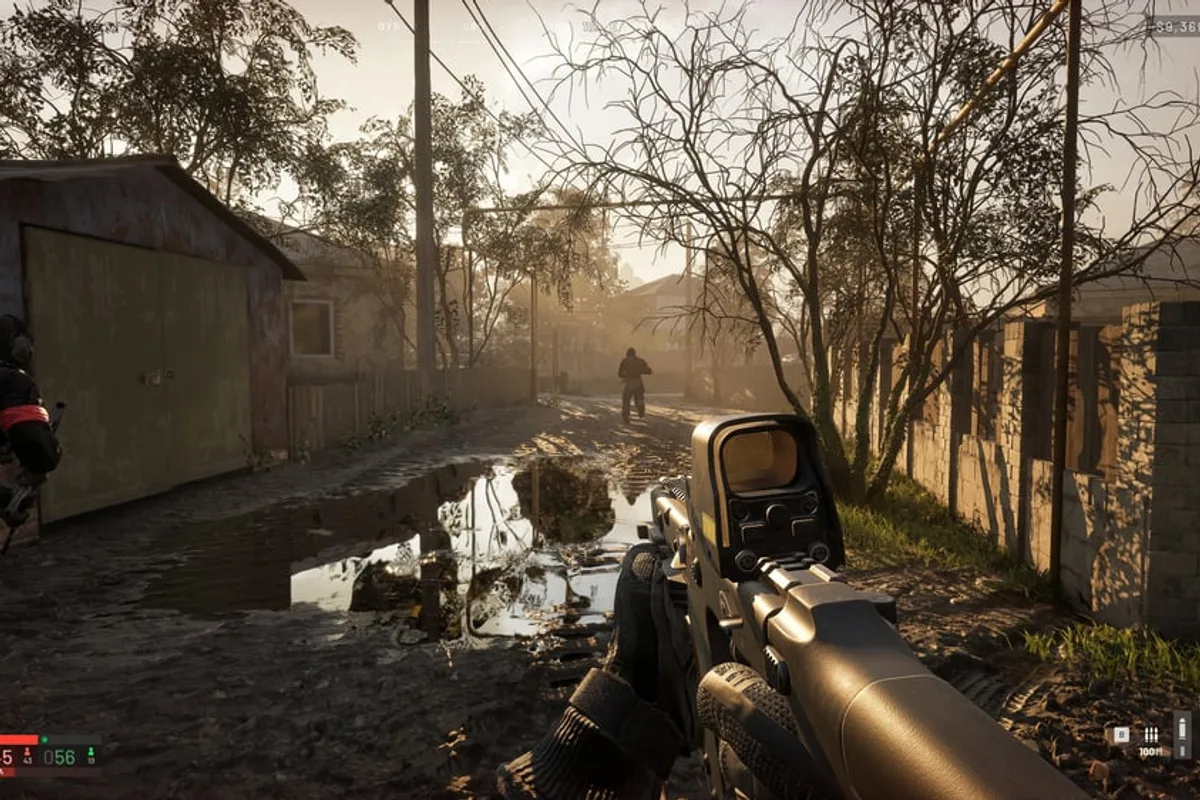
Adding a third side immediately makes the front line less predictable. The leading faction can be attacked from two directions by opponents who are not cooperating with each other and may begin fighting among themselves at any moment.
It also creates decisions that a two-team shooter does not need. Attacking the leader directly may be less useful than letting another faction burn equipment doing it for you.
Every respawn begins with a purchase decision
The defining system is not the player count. It is cash.
Every player begins their WARDOGS career with $10,000 in persistent in-game currency. Before each life, they purchase a custom loadout including weapons, ammunition, equipment and potentially vehicles.
That money persists between matches, so expensive gear is not simply a free class selection refreshed after death.
Taking better equipment into the field means placing more of your own resources at risk.
Teamwork finally has a visible salary
BULKHEAD uses that same economy to reward jobs that large-scale shooters constantly need and frequently struggle to fill.
Reviving teammates, transporting players, supporting the objective and performing logistics work can all generate income.
A helicopter pilot or medic is therefore not asked to sacrifice personal progression entirely for the abstract satisfaction of helping strangers.
WARDOGS' solution to the age-old question of how to make people play support is wonderfully direct: pay them.
There are no strict classes to save players from themselves
Roles emerge mainly from purchased equipment rather than a locked class structure.
Players can spend around medical gear, long-range weapons, transport, vehicles or construction tools and reshape their role between lives.
That flexibility creates its own danger. Nothing guarantees that an uncoordinated team purchases the combination of equipment it actually needs.
Local voice chat and the reward economy are expected to provide enough social pressure to make one hundred people behave approximately like an army.
Build the position or remove the building
Combined-arms combat includes vehicles, fortification building and environmental destruction.
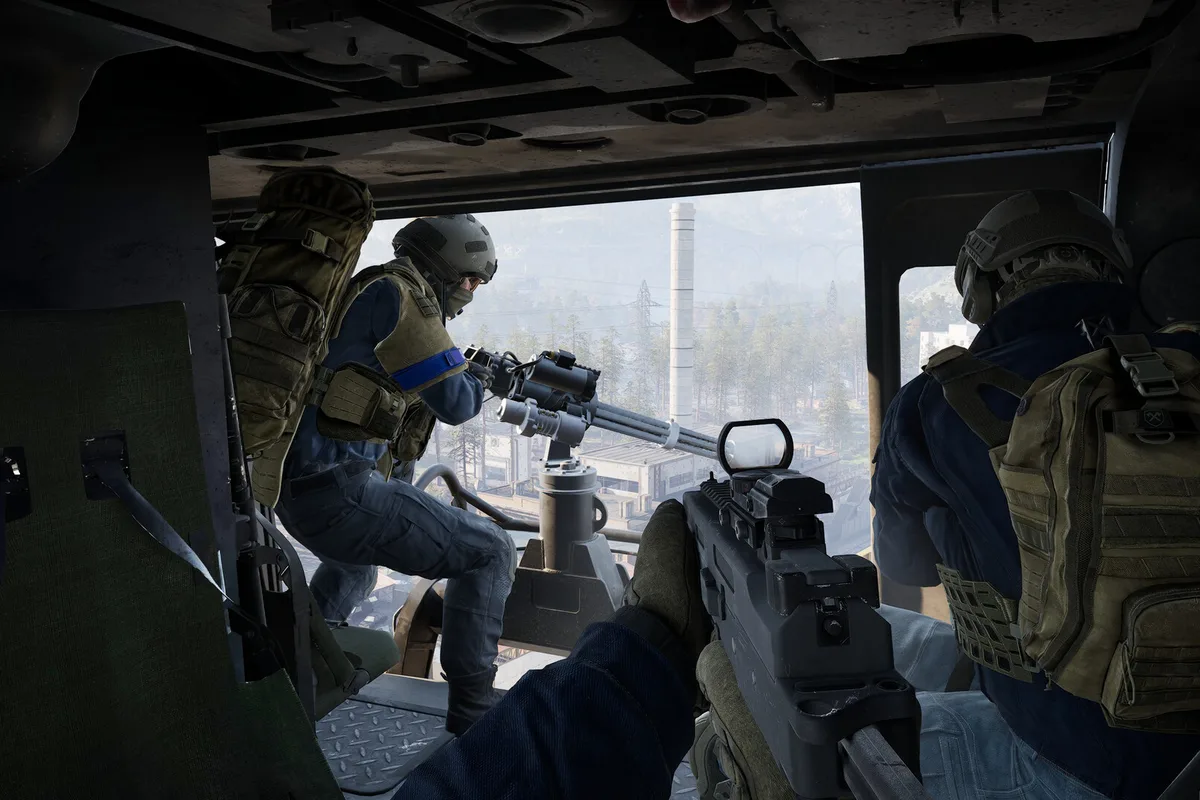
Players can establish defensive positions around useful locations, while heavy weapons and armored vehicles can remove parts of the structures providing enemy cover.
That puts WARDOGS between two different military-shooter instincts. Tactical games want preparation, logistics and communication. Large-scale action games occasionally want a tank to solve the wall.
BULKHEAD clearly wants both behaviors on the same battlefield.
Early Access is expected to last another one to two years
September 10 is not a version 1.0 release. BULKHEAD currently estimates roughly one to two years in Early Access, with the timeline subject to development and player feedback.
Plans include more maps, weapons, vehicles and objective types alongside deeper progression and a stronger seasonal metagame.
Player Skills, Challenges, a Black Market and a Vault are among the systems described for future development. Fighter jets are listed as a longer-term vehicle ambition rather than launch content.
The immediate roadmap is less glamorous. Stability and performance matter a great deal when hundreds of thousands of people decide to arrive at once.
The opening result is already unusual
Steam's overall user rating is currently Mostly Positive despite the launch disruption.
That may be the clearest snapshot of the first two days. A large part of the audience appears interested enough in the underlying game to tolerate infrastructure problems that could have immediately buried a less anticipated multiplayer release.
WARDOGS has already solved one of the hardest problems in online shooters: convincing a huge number of people to show up.
Now it has to solve the considerably less exciting problem of keeping the doors open when they do.