
News News Official
CONTROL Resonant launches Thursday, trading Jesse's gunplay for up to 35 hours of paranormal melee
CONTROL Resonant could have been the first game with a larger map and more powers. Remedy chose the riskier route: change protagonist, leave the Oldest House and replace Jesse Faden's shooter foundation with an action RPG where Dylan has to get close enough for the monsters to hit back.
 By Hugat CONTROL Resonant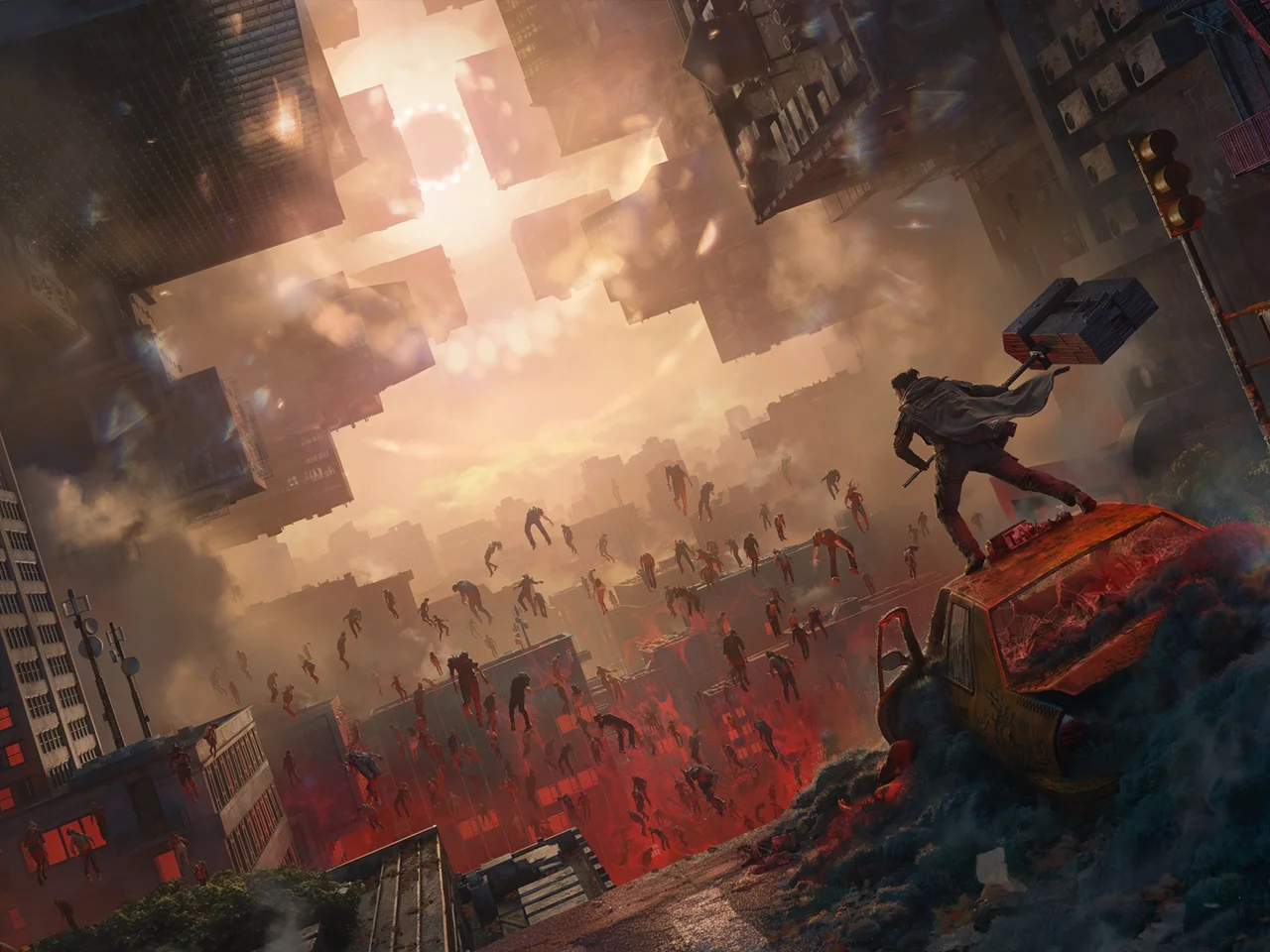
CONTROL Resonant launches September 24 on PlayStation 5, Xbox Series X|S, Steam and the Epic Games Store. Remedy is self-publishing the sequel, with a Mac version scheduled to follow later in 2026.
The studio estimates 25 to 35 hours for the main story, with considerably more available to completionists.
Dylan does not simply inherit Jesse's Service Weapon
The playable lead is Dylan Faden, Jesse's brother and a former Federal Bureau of Control captive. Seven years after the original game, he emerges from confinement as the paranatural crisis escapes the Oldest House and begins reshaping Manhattan.
Jesse remains a major character, but Remedy has confirmed she is not playable. Dylan is the sole protagonist.
That decision gives the studio room to rebuild combat around him. His primary weapon is the Aberrant, a shapeshifting melee tool capable of becoming a heavy hammer, fast blades and other specialized forms.

Melee attacks replenish the resource required for paranatural abilities. Those powers can stagger enemies, create execution opportunities and feed directly back into aggressive combo chains.
The loop therefore rewards closing distance rather than finding a comfortable place from which to keep firing.
Control had upgrades; Resonant wants actual builds
The Aberrant can be configured with a primary form for basic attacks, a secondary form for special and charged moves, and a chosen combo finisher.
Each form then branches into its own upgrades and modifiers. Dylan's supernatural abilities follow a similarly selective progression model.
Major Resonant bosses can present up to three power choices after defeat. The selected ability is permanent and exclusive, meaning a single playthrough cannot unlock every option.
That is a meaningful difference from the first game, where thorough players could eventually strengthen most of Jesse's core toolkit. Resonant wants some doors to remain closed.
The Gap turns the RPG menu into a place inside Dylan's mind
Progression is managed through the Gap, a liminal mental space Dylan can enter whenever he is out of combat. It contains weapon upgrades, talent systems, Artifacts and tools for testing builds.
Remedy has essentially turned the character menu into another physical location.
Artifacts and modifiers can support builds around status effects such as burn and infection, cooldown manipulation, crowd control or stronger combo finishers.
Manhattan is large, but it is not one seamless open world
Resonant leaves the mostly interior architecture of the Oldest House for a much broader city environment, but Remedy has avoided describing it as a conventional open world.
Manhattan is divided into major Zones connected through a central area where the FBC establishes its field office.
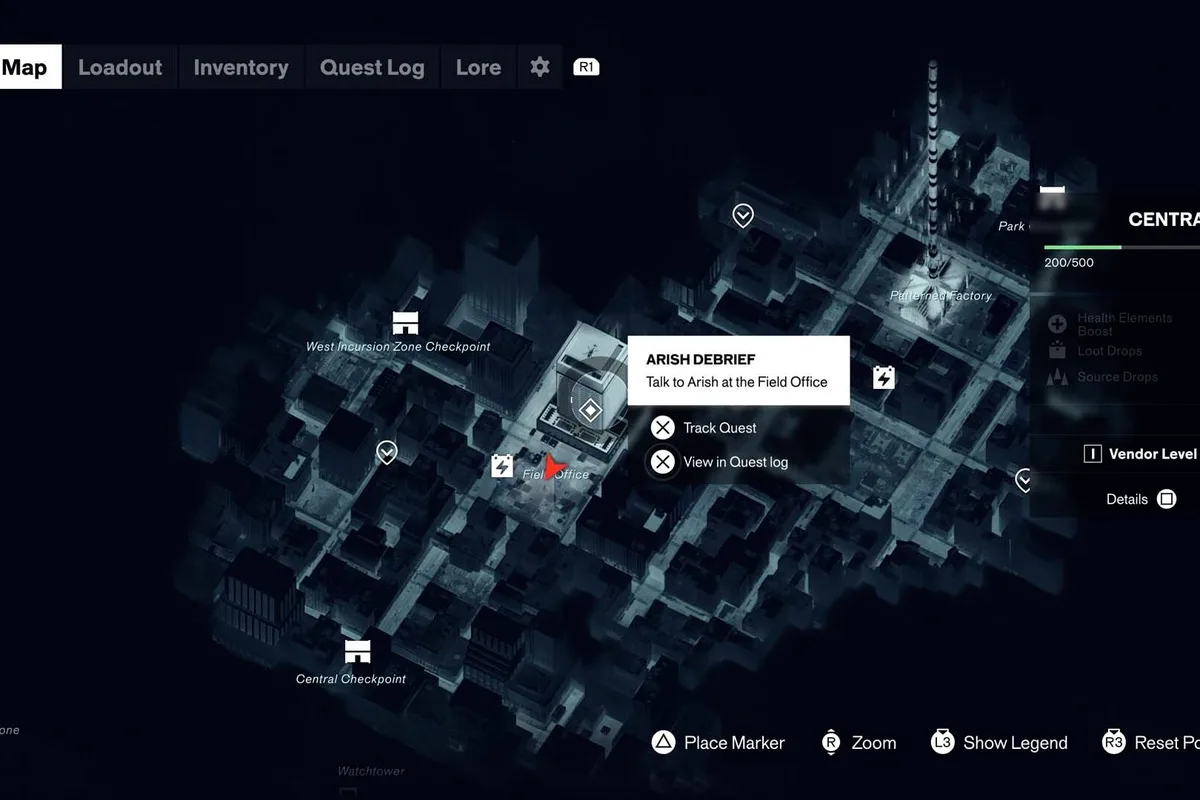
Each Zone is affected differently by the crisis, with twisted architecture, gravity anomalies, the Mold, the Hiss and other forces changing both traversal and combat.
Fast travel between Zones is designed to be almost instantaneous. Moving into and out of the Gap is similarly fast.
Difficulty is now a panel of individual systems
Assist Mode returns with a major change: it can make the game harder as well as easier.
Players can adjust enemy aggression, Perfect Dodge timing, incoming damage and other individual variables rather than choosing only from a short list of traditional difficulty presets.
No trophies or achievements are disabled by using those options.
That flexibility makes particular sense for a sequel changing its combat language this aggressively. Being comfortable with Control's ranged encounters does not automatically make a player comfortable with precise dodges and close-range combo management.
Remedy says 60 fps was a design target, not an afterthought
The studio says Resonant was developed around 60 fps responsiveness because the new combat system depends more heavily on timing and immediate feedback.
On the standard PS5, Performance Mode targets 1440p at 60 fps while Quality Mode targets 2160p at 30 fps.
PS5 Pro raises Performance Mode to a 2160p target at 60 fps using PSSR. Quality Mode targets 2160p/30 with ray tracing, while Balanced Mode targets 2160p/40 with ray tracing on a compatible 120 Hz display.
After September 24, the important question will not simply be whether Manhattan is larger than the Oldest House. It will be whether Remedy can make its first true melee action game feel as confident as its shooters.