
News News Official
The Loopler is out, and its dangerously simple idea is watching a tiny car break mathematics
The Loopler initially looks like a toy someone forgot to put away. A tiny car drives around a figure-eight track, again and again. Then one gate adds fuel, a card triggers a multiplier, a charm duplicates an effect, a ghost car appears and the score begins using numbers that bear little resemblance to where the run started. Released on Steam on September 11, Mheep's small project understands the modern appeal of numbers going up. Its smartest decision is removing the driving so nothing distracts from the system.
 By Kader The Loopler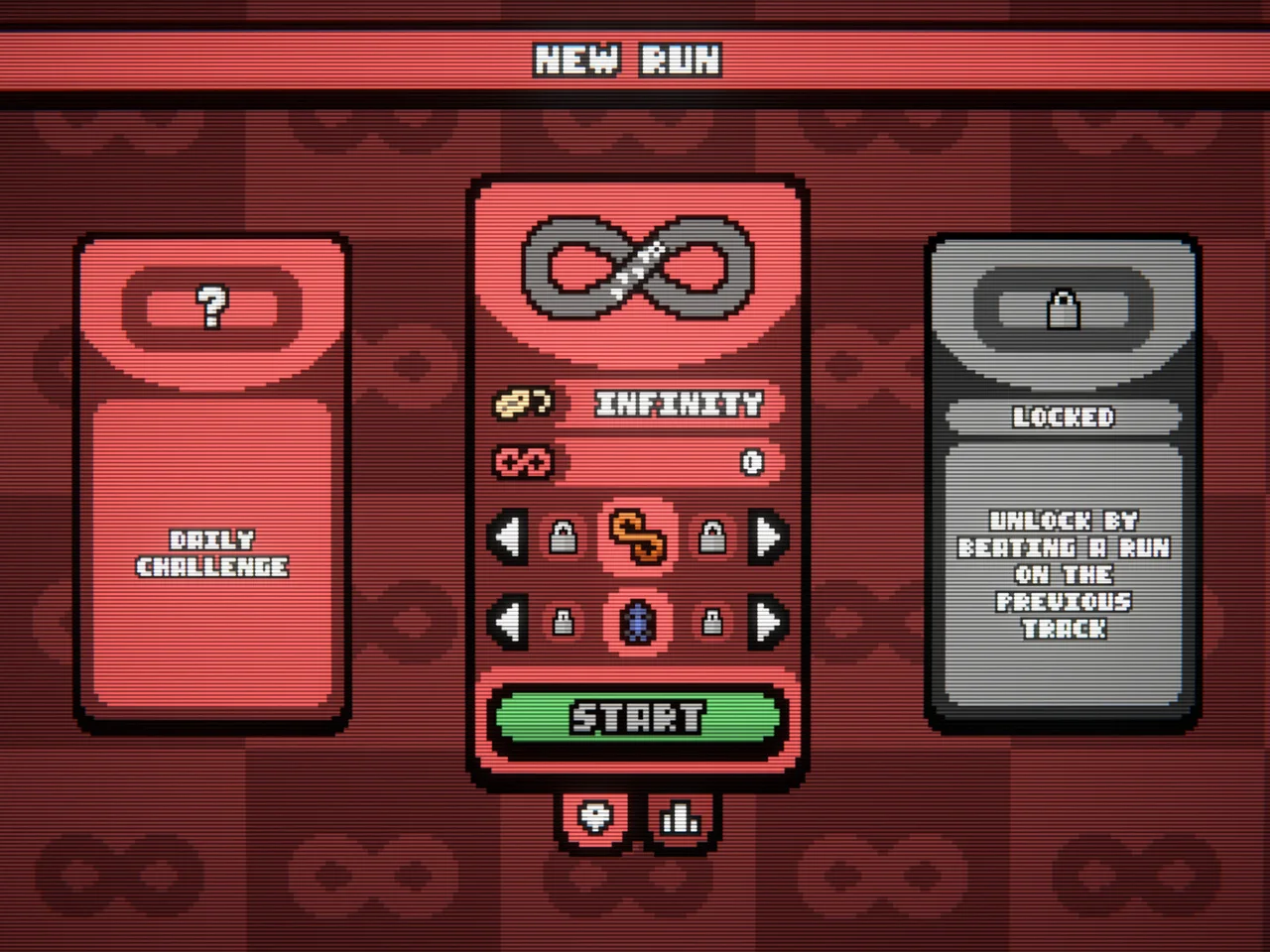
Yes, the car drives itself
That is the easiest way to understand The Loopler. Despite permanently displaying a car and a racetrack, it is barely a racing game in the traditional sense.
The vehicle moves automatically. Your job is to manipulate everything that can make each lap more ridiculous than the one before it.
Decisions come from drafted cards, gates placed around the track, passive charms and interchangeable car parts.
The resulting structure has far more in common with a deckbuilder, incremental game and score attack than with Micro Machines.
The actual game is building a chain reaction
Gates alter what happens when the car passes through them. Some replenish fuel, others increase speed or score, while cards can trigger other cards, generate ghost vehicles or stack additional multipliers.
Track slots are limited, which makes placement order matter.
A mediocre gate in isolation can become extremely valuable when it triggers a card that activates a charm that feeds another effect a few seconds later.
Once the loop begins, The Loopler asks for almost no traditional reflexes. It asks you to watch the machine you built and understand why it is working — or why it suddenly stopped working.
It started as a game jam project and grew quickly
Mheep originally created The Loopler for GMTK Game Jam 2025.
That early version already revolved around an automatically moving car, upgrades and repeating laps in pursuit of higher scores.
Development continued after the jam, eventually producing a Steam page and a standalone demo in February 2026.
By May, Mheep reported roughly 90,000 unique demo and playtest users and just under 50,000 wishlists.
For a solo indie project built from a jam prototype, that was already a surprisingly large audience for watching a tiny vehicle repeatedly drive in circles.
The full release gives the machine far more parts
The finished game includes nine cars with distinct identities and effects.
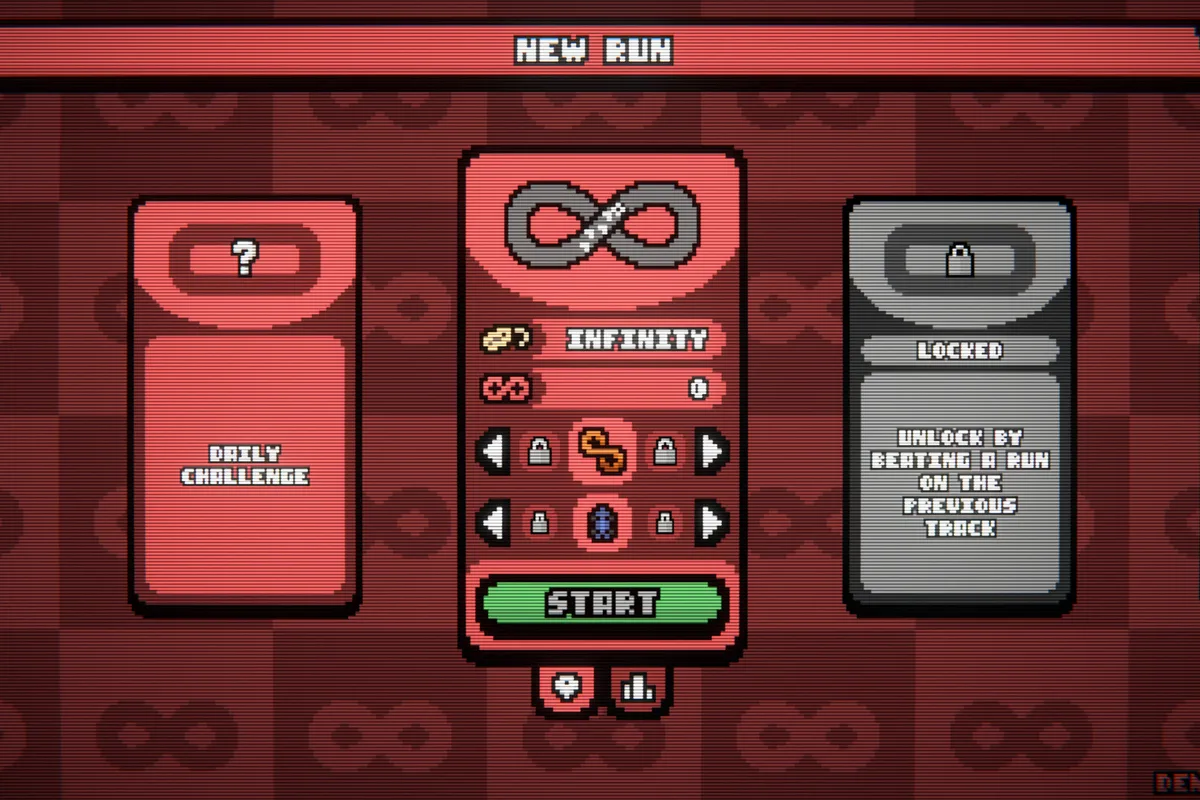
There are also nine tracks with different layouts, five difficulty levels, fifty cards, thirty gates and seventy charms.
Daily and weekly challenges add optional leaderboards for players who want to turn a relaxing optimization toy into a competition.
That creates enough variables for two runs that look superficially identical — the same little car circling a track — to present completely different optimization problems.
It lives in the post-Balatro world without simply copying poker
The comparison is difficult to avoid.
Not because Mheep has replaced playing cards with a toy car, but because The Loopler pursues the same broader design fantasy: begin with a rule anyone can understand within seconds, then allow multipliers and synergies to turn that rule into numerical chaos.
GamingOnLinux highlighted that connection before launch.
The important similarity is that synergy itself becomes spectacle. A successful run does not merely score better. It becomes visually ridiculous as every lap triggers more numbers, effects and chained bonuses.
The Steam launch is starting strongly
Only three days after release, Steam already categorizes The Loopler's user reception as Very Positive.
At the time of our check, more than 200 user reviews were posted and roughly 93 percent were positive.
That is still an extremely early sample. Smaller indie games can see their percentages move quickly as more players reach higher difficulties and understand the full progression curve.
Even so, it is a notable opening for a compact game without the marketing machinery of a major publisher.
Its system requirements are almost comical
The Loopler asks for 2 GB of RAM and roughly 500 MB of storage.
The Windows minimum specification even lists “no” under graphics hardware, which communicates the scale of its technical ambitions better than any benchmark could.
It supports Windows, macOS and Linux, along with Steam Cloud, achievements, statistics and leaderboards.
This is not a game designed to make a graphics card sweat. It is designed to make the part of your brain responsible for optimization insist that one gate would obviously work better two slots earlier.
The danger is how little effort each experiment requires
The Loopler presents itself as relaxing, and visually it is.
The car circles. The soundtrack stays calm. You choose a few upgrades and watch.
But its structure contains the familiar trap of good incremental games: tiny decisions produce feedback almost immediately, making one more experiment extremely easy to justify.
Moving a gate takes a second. Discovering whether it turns the build into a score engine takes only a handful of laps. If it fails, another run is waiting.
One more loop, then another
The Loopler did not launch with a famous license or the promise of an enormous world.
It relies on something potentially worse for your free time: a loop simple enough that you always understand what you might improve next.
Mheep started with a tiny car driving figure eights.
The finished game adds enough cards, gates and multipliers to turn that silly journey into a potentially endless optimization problem.
The track never goes anywhere. The score clearly intends to.