
News News Official
Shroom and Gloom tackles deckbuilder fatigue with two decks and far too many edible mushrooms
Roguelike deckbuilders are crowded enough that adding a few relics and another set of attack cards no longer guarantees much attention. Shroom and Gloom responds by splitting the deck in half, moving into first person and allowing players to cook the monsters when health gets low.
 By Kader Shroom and Gloom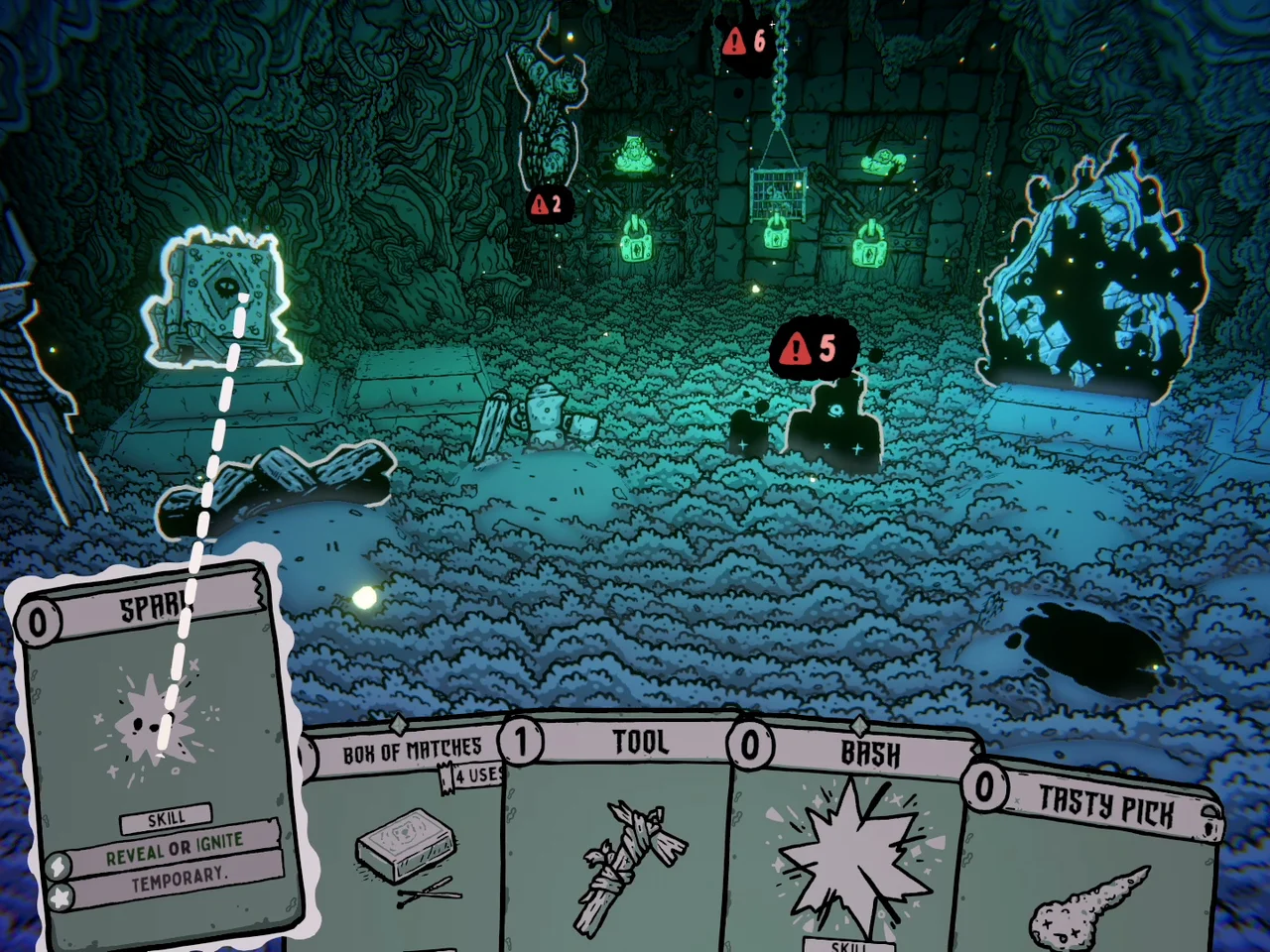
Shroom and Gloom enters Steam Early Access on September 10. Cape Town-based Team Lazerbeam is developing the game, with Devolver Digital publishing.
At first glance, the structure is familiar: enter a roguelike dungeon, collect cards, build synergies and gradually turn an ordinary deck into something capable of breaking encounters.
Then the game gives you a second deck.
One deck fights, the other explores
The Combat Deck handles enemies. Attacks, upgrades and the combinations used to survive battles live there.
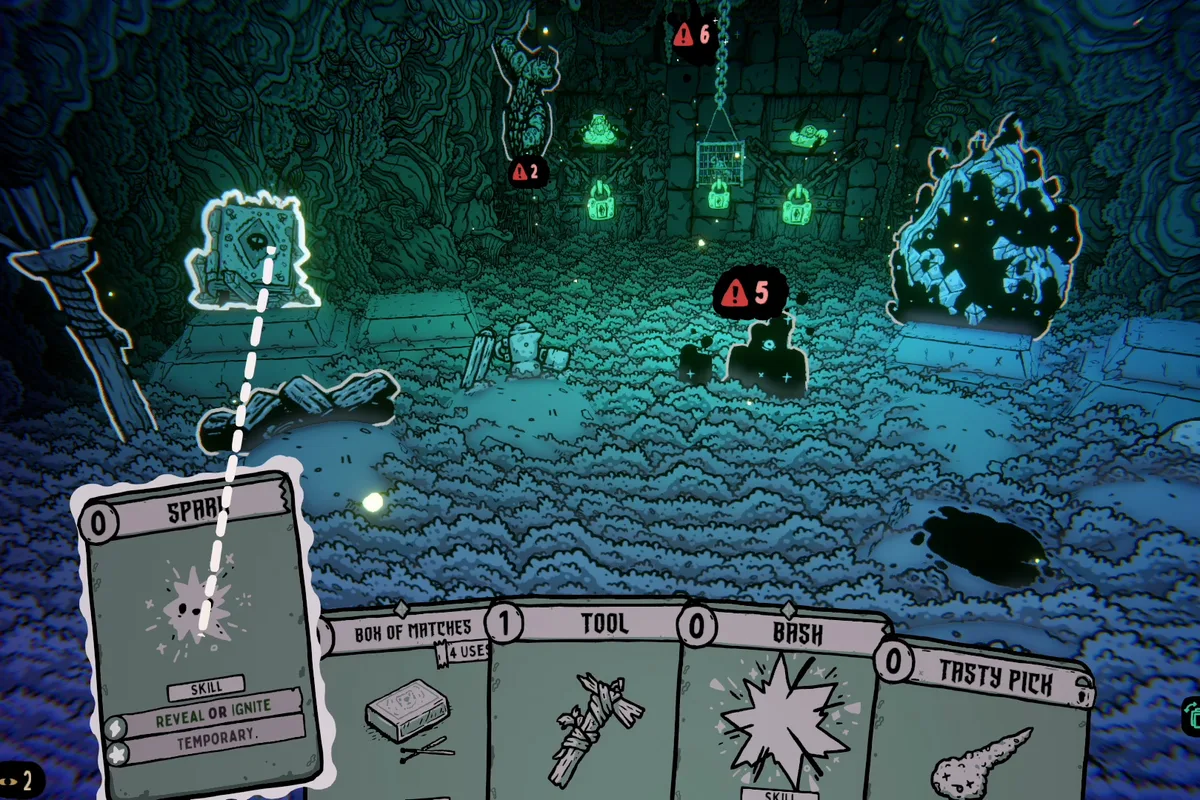
The Explore Deck operates through the dungeon itself. Its cards can reveal, search, break, unlock, feed, fix or otherwise manipulate the route while also creating opportunities to change existing cards and gain new abilities.
That separation gives non-combat decisions their own deckbuilding economy.
Exploration stops being the corridor between card battles and becomes another card system.
Cards are allowed to become ridiculous
Team Lazerbeam's upgrade system is deliberately less interested in fixed tiers.
Low-level starting cards can be modified repeatedly until they become disproportionately powerful, while rarer cards can be changed into specialized combo pieces.
The developer describes that growth as infinite.
That is best understood as a design philosophy rather than a promise of literally endless individual runs. The important point is that a card is not necessarily finished after hitting a small predetermined maximum level.
Early Access already contains two major pathways
The launch build includes two distinct pathways with their own characters.
Steam lists roughly 300 Explore and Combat cards for each pathway, alongside quests, synergies and unlocks intended to support repeated runs.
That figure includes the wider card ecosystem and its modifications rather than implying every run will cycle through hundreds of unrelated cards.
Still, this is substantially larger than the experimental build that first introduced the idea.
The whole thing began as a three-month prototype
Team Lazerbeam originally released an early Shroom and Gloom prototype through itch.io.
The studio described it as roughly three months of development spent testing whether this first-person card dungeon could become a much larger game.
A Steam demo followed in 2025 and built a notably positive response, accumulating more than a thousand user reviews.
Devolver Digital subsequently signed on as publisher.
It looks like a sketchbook caught a fungal infection
The presentation does a large amount of the identity work.
Characters, cards and animations are hand drawn and placed inside 3D first-person environments. Lines wobble, fungi grin back at the player and individual biomes shift through dramatically different colors.
Team Lazerbeam has long described itself through a DIY punk sensibility and an affection for imperfect handmade work.
Shroom and Gloom turns that philosophy into the interface itself.
Dead enemies become health items
Defensive play is not limited to stacking block.
Fungal enemies can be skewered, seasoned or roasted and then eaten to restore lost health.
Some can instead be thrown into a pot to create soups with larger run-altering effects.
Healing therefore feeds back into the offensive card engine rather than existing as a completely separate consumable economy.
Early Access is planned for 12 to 24 months
Team Lazerbeam currently expects development toward version 1.0 to take between one and two years.
Planned additions include another pathway with unique Combat and Explore cards, more character classes and further quests and challenges across the existing routes.
The developer does not currently plan to automatically raise the price when the game leaves Early Access.
Community feedback is explicitly part of the development model. Team Lazerbeam says prototype and demo players have already had a significant influence on the current build.
The weirdness matters because it changes the systems
Plenty of indie games can look strange.
Shroom and Gloom is more interesting because its visual absurdity and its rules appear to come from the same place.
Two decks change how a dungeon is navigated. Cards mutate into unreasonable versions of themselves. Enemies become ingredients. Hand-drawn spaces look increasingly infected as the run descends.
Version 1.0 is still a long way off.
Early Access at least begins with something immediately valuable in an overcrowded genre: a game that is difficult to confuse with the one sitting next to it.