
News News Official
Lufia returns in 2027, and PC is finally getting two of the SNES era's strangest JRPGs
It has taken more than thirty years for Lufia to officially reach PC. Taito used the PC Gaming Show Tokyo Direct to bring back the two Super Nintendo games that established the series: turn-based combat, intergenerational tragedy and, in Lufia II's case, a suspicious determination to hide a puzzle inside almost every dungeon.
 By Kader Lufia I & II: The Sinistrals Saga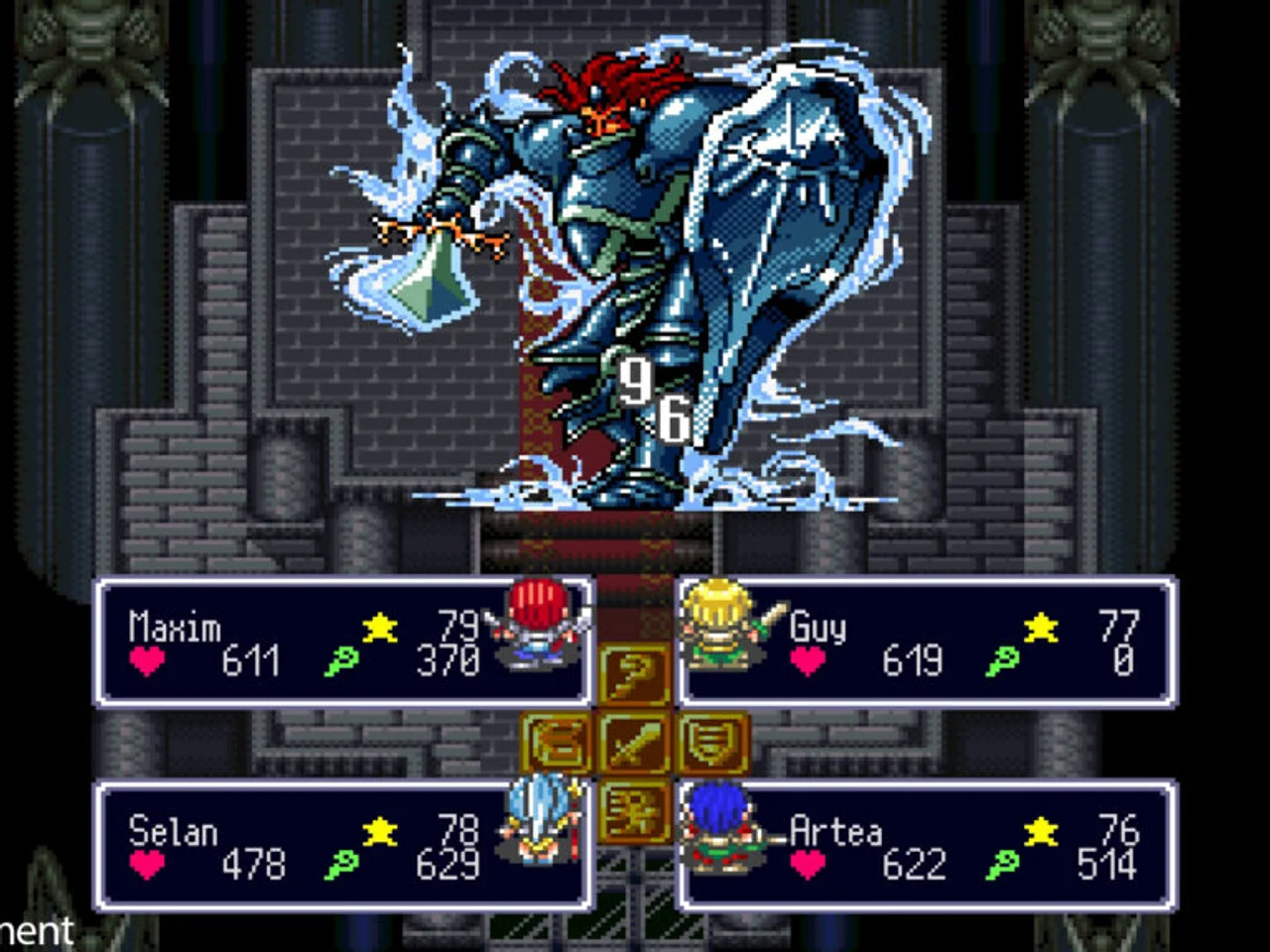
Lufia I & II: The Sinistrals Saga launches in 2027 for Steam, PlayStation 5, Nintendo Switch and Nintendo Switch 2.
Taito is developing the collection, with Clear River Games publishing in Western markets. The Steam release is especially notable because it will be the first official PC appearance for the Lufia series.
The package contains Lufia & the Fortress of Doom and Lufia II: Rise of the Sinistrals, preserving the games' 16-bit foundations.
Lufia begins by showing players how the story ends
The first game still has an unusual opening. Before introducing its actual protagonist, it places players in control of four legendary heroes confronting the godlike Sinistrals on Doom Island.
Then the story jumps forward almost a century.
Its main hero is a descendant of Maxim, one of the warriors from that battle. When the Sinistrals begin returning, he travels alongside Lufia and other companions to understand why supposedly defeated gods refuse to remain gone.
The second game then rewinds the entire premise.
Lufia II is a prequel that already knows exactly where its story leads
Rise of the Sinistrals follows Maxim before he becomes the legendary figure remembered in the original game.
That gives the pair an unusual circular structure for 1990s JRPGs: one game establishes the consequences, while the other returns to the people responsible for creating that history.
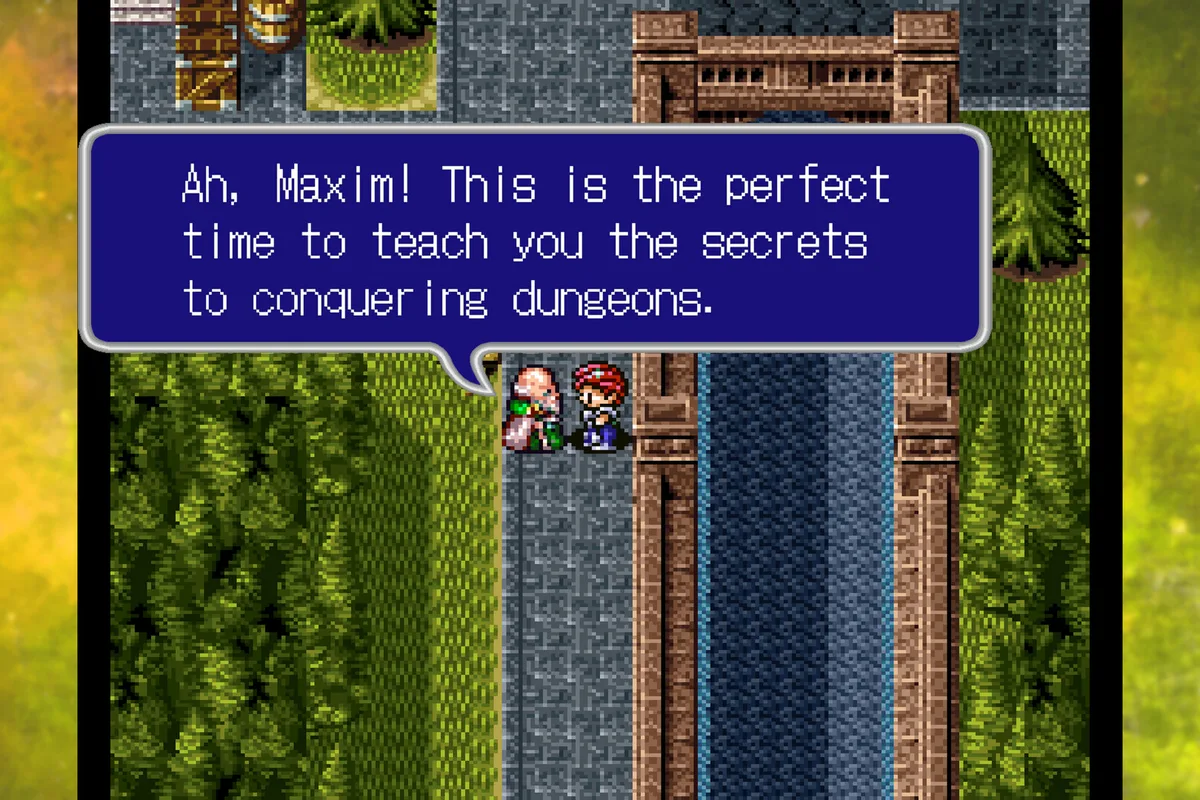
Taito continues to describe the two games as interconnected stories of meetings, separation, love and loss, linked by the mystical Dual Blade and the Sinistrals.
Series designer Masahide Miyata revisited every line of dialogue while preparing the collection. For the Japanese release, he has rewritten the script to use more kanji, replacing compromises originally required by Super Famicom memory limitations.
Lufia II was already oddly modern in 1995
Rise of the Sinistrals is usually the game that explains why Lufia remains discussed decades later.
Its dungeons move away from simply relying on random encounters. Enemies are visible and react to player movement, making exploration itself behave with a turn-based logic.
More importantly, those dungeons contain actual environmental puzzles involving switches, movable blocks, arrows, tools and mechanisms.
The dungeon is not merely the hallway connecting one RPG battle to another. It becomes part of the mechanical challenge.
Then there is the Ancient Cave
Rise of the Sinistrals also contains the Ancient Cave, a 99-floor bonus dungeon whose structure changes between attempts.
Characters effectively rebuild their progression during the run, with special rules determining what equipment can survive the expedition.
Modern terminology makes it easy to describe the structure as roguelike or roguelite. In 1995, it simply felt like another substantial game hidden inside the RPG.
Lufia II also featured monster companions that could develop and evolve long before creature collection became a common JRPG feature.
Taito is preserving the pixels but has not explained every modern enhancement
The official description is deliberately limited. Taito says the original pixel art will be preserved while gameplay is enhanced through new functions for modern play.
Those functions have not yet been detailed.
That means features such as save states, rewind, speed controls or display filters should not be treated as confirmed until Taito specifies them.
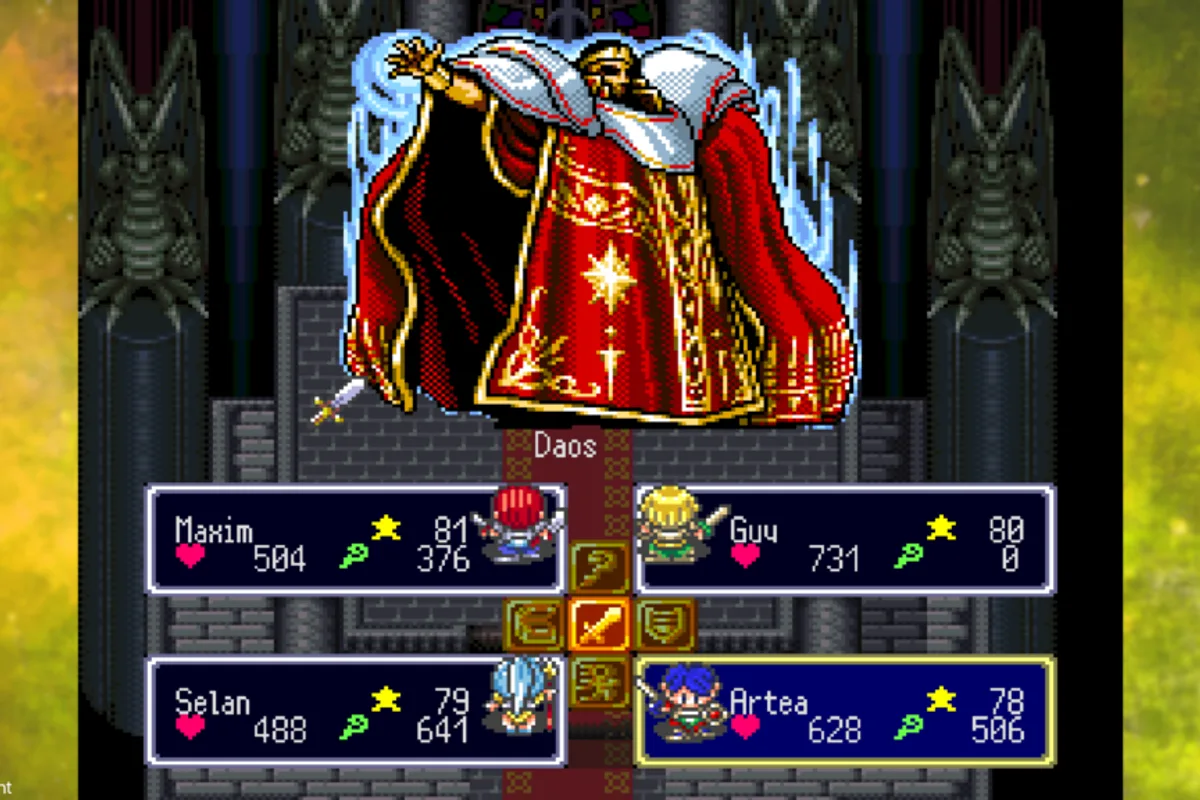
The released screenshots do clearly show the original 16-bit presentation adapted to contemporary displays rather than rebuilt with entirely new graphics.
This is therefore much closer to an enhanced preservation release than the Nintendo DS game Lufia: Curse of the Sinistrals, which reimagined Lufia II as an action RPG.
Steam gets French support, achievements and cloud saves
The Steam listing confirms eight interface and subtitle languages: English, French, German, Spanish, Japanese, Korean, Simplified Chinese and Traditional Chinese.
Steam Achievements and Steam Cloud are also listed.
The collection remains a single-player release.
Taito has announced only a 2027 launch window so far, with pricing still to be determined.
The most important feature may simply be that these games are becoming purchasable again
Availability has long been one of Lufia's biggest problems. Its original releases belong to a cartridge generation that is expensive and increasingly impractical for new players to discover through legal modern hardware.
The Sinistrals Saga is not currently selling itself through an extravagant reconstruction. Its immediate value is simpler: two historically interesting RPGs are returning to modern storefronts together across four platforms.
And this time PC players will not need to find a Super Nintendo cartridge before discovering what is waiting on floor 99 of the Ancient Cave.