
News News Official
Alien: Isolation 2 is reviving 12-year-old animation ideas to make its Xenomorph more unsettling
Alien: Isolation 2 is revealing more about the predator at the center of its survival loop. Creative Assembly wants a Xenomorph that looks more responsive while also making repeated player tactics increasingly unreliable.
 By Nolind Alien: Isolation 2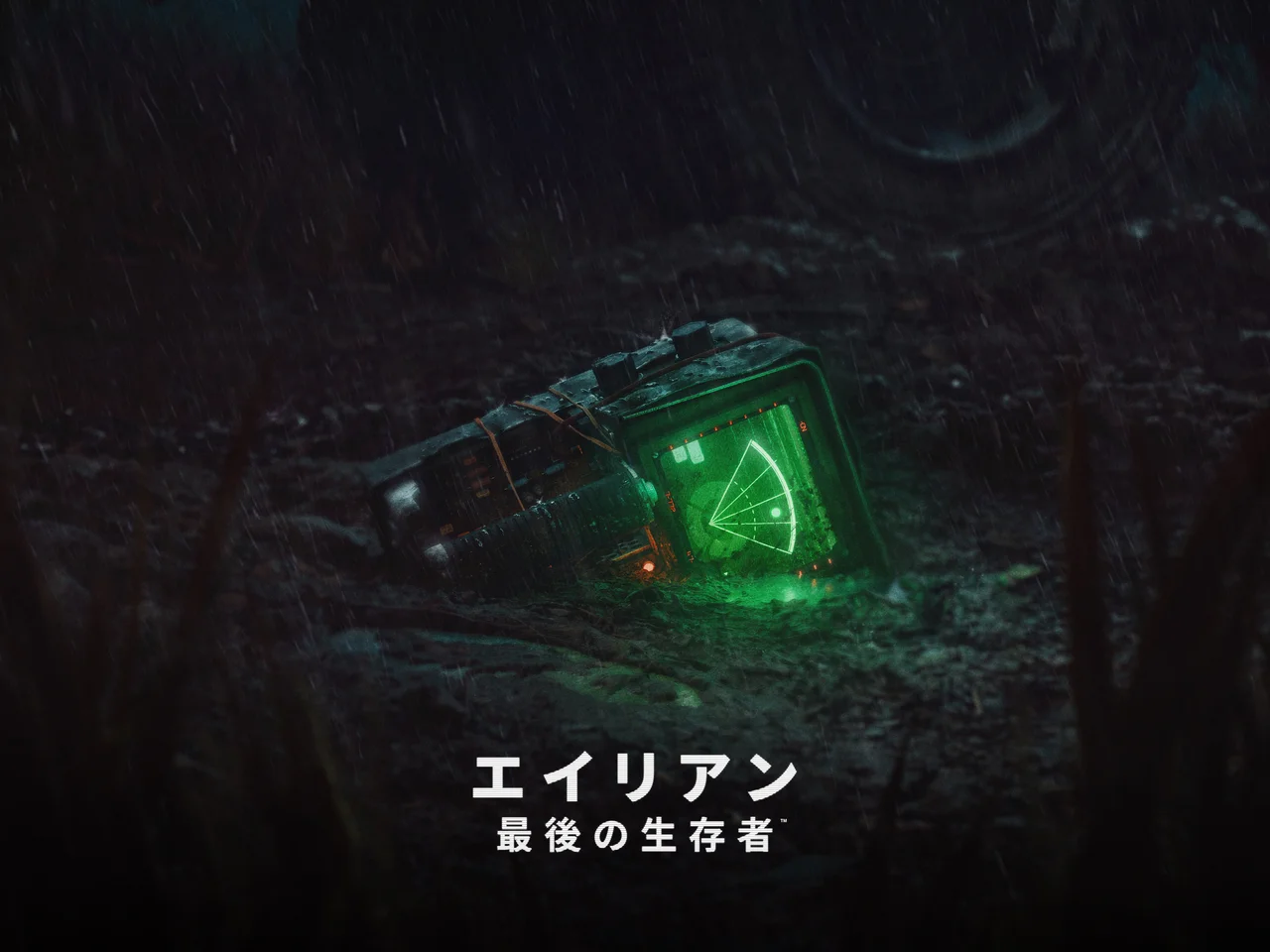
Players eventually learned Alien: Isolation. Lockers became familiar, the flamethrower became a useful emergency answer, and surviving Sevastopol meant understanding which habits could buy another few seconds. The sequel has an awkward job: it has to scare people who already know those tricks.
The Alien's intelligence has to be visible
Speaking to TechRadar at Gamescom, Creative Assembly principal environment artist Archie Whitehead revealed that Alien: Isolation 2 is using improved versions of animation ideas originally devised for the first game. The team had concepts it could not properly implement with the technology available at the time.
That matters beyond visual polish. Whitehead's argument is that players judge intelligence partly through movement. A sophisticated enemy can still look unintelligent if its animation fails to communicate what it is doing. More responsive transitions give the Xenomorph another way to sell the impression that it is observing, searching and reacting rather than merely executing game logic.
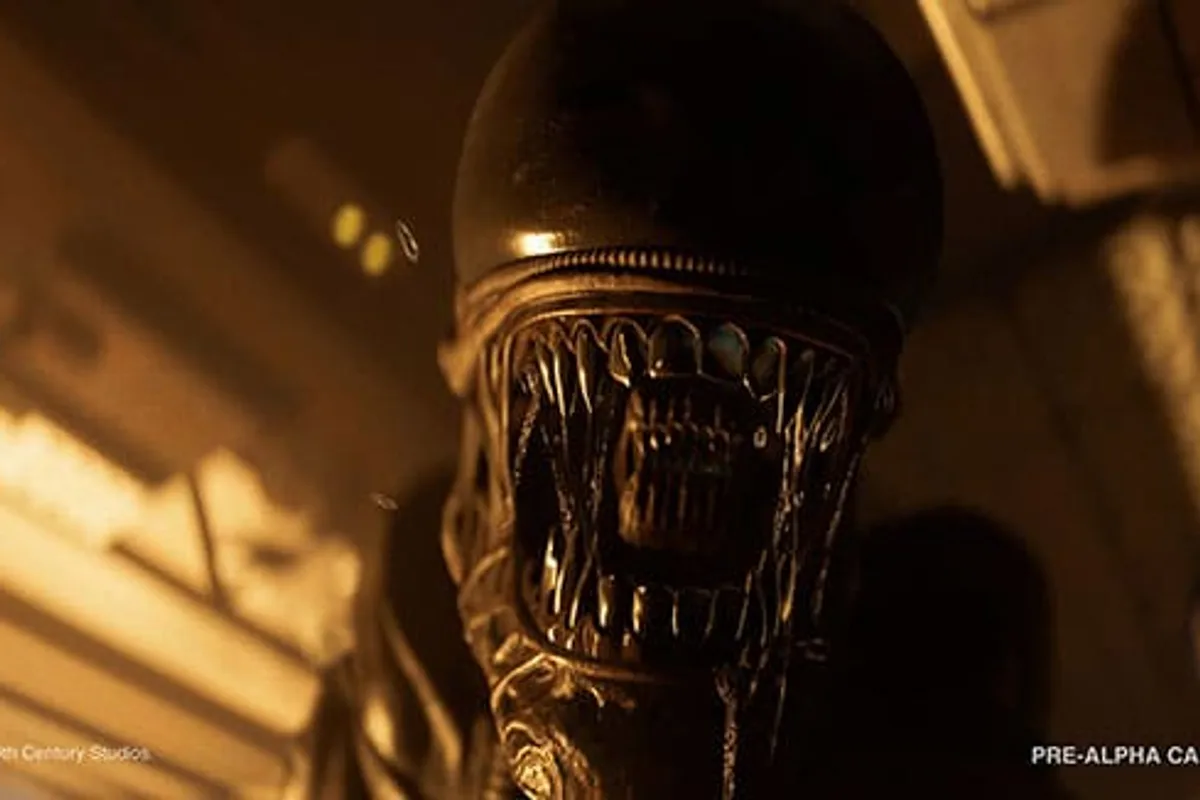
Creative Assembly is also preserving the behavioral pressure that defined the original. Relying repeatedly on the flamethrower or hiding in lockers should become less effective as the creature adapts. The Xenomorph is not being rebuilt as a completely different enemy; the studio is expanding the same relationship between player habits and predator response.
The old survival rules now have to work outdoors
That relationship gets more complicated because the sequel is no longer confined to corridors and rooms. Alien: Isolation 2 introduces the surface of a remote colony world alongside the claustrophobic spaces of the Weyland-Yutani-owned Kurosaki Station.
Creative Assembly has said the Xenomorph will adapt its hunting behavior to those exterior environments too. Weather, visibility and much larger spaces introduce variables that simply did not exist aboard Sevastopol. A hiding strategy that makes immediate sense inside a station may be far less obvious in a dark field during a storm.
The change also puts extra pressure on animation. A Xenomorph moving through a corridor can disappear around a corner or into a vent. Outside, players may have longer and less obstructed views of the creature. Its movement has more opportunities to look convincing — or to give the game away.
Unreal Engine 5 is only the foundation
The sequel runs on Unreal Engine 5, but Creative Assembly is layering custom technology over it. The studio has discussed bespoke lighting designed for the unusually dark environments required by Alien, including fast reactions to lightning, fire and rotating emergency lights.
Audio is receiving similar treatment. Creative Assembly's technology models how sounds travel through connected spaces, including rooms and vents. For a survival game built around deciding whether a noise means safety, movement or immediate trouble, spatial audio feeds directly back into play.
Alien: Isolation 2 remains in development. SEGA has confirmed PC via Steam, PlayStation 5, Xbox Series X|S and Nintendo Switch 2, but no release date has been announced.