
News News Official
Roblox games are about to leave Roblox and become standalone apps
For most of its history, a Roblox game lived inside Roblox. Roblox Everywhere is starting to break that rule. Creators will soon be able to release standalone versions of their games across mobile, PC and consoles without giving up the engine, multiplayer services or existing Roblox community.
 By Kader Roblox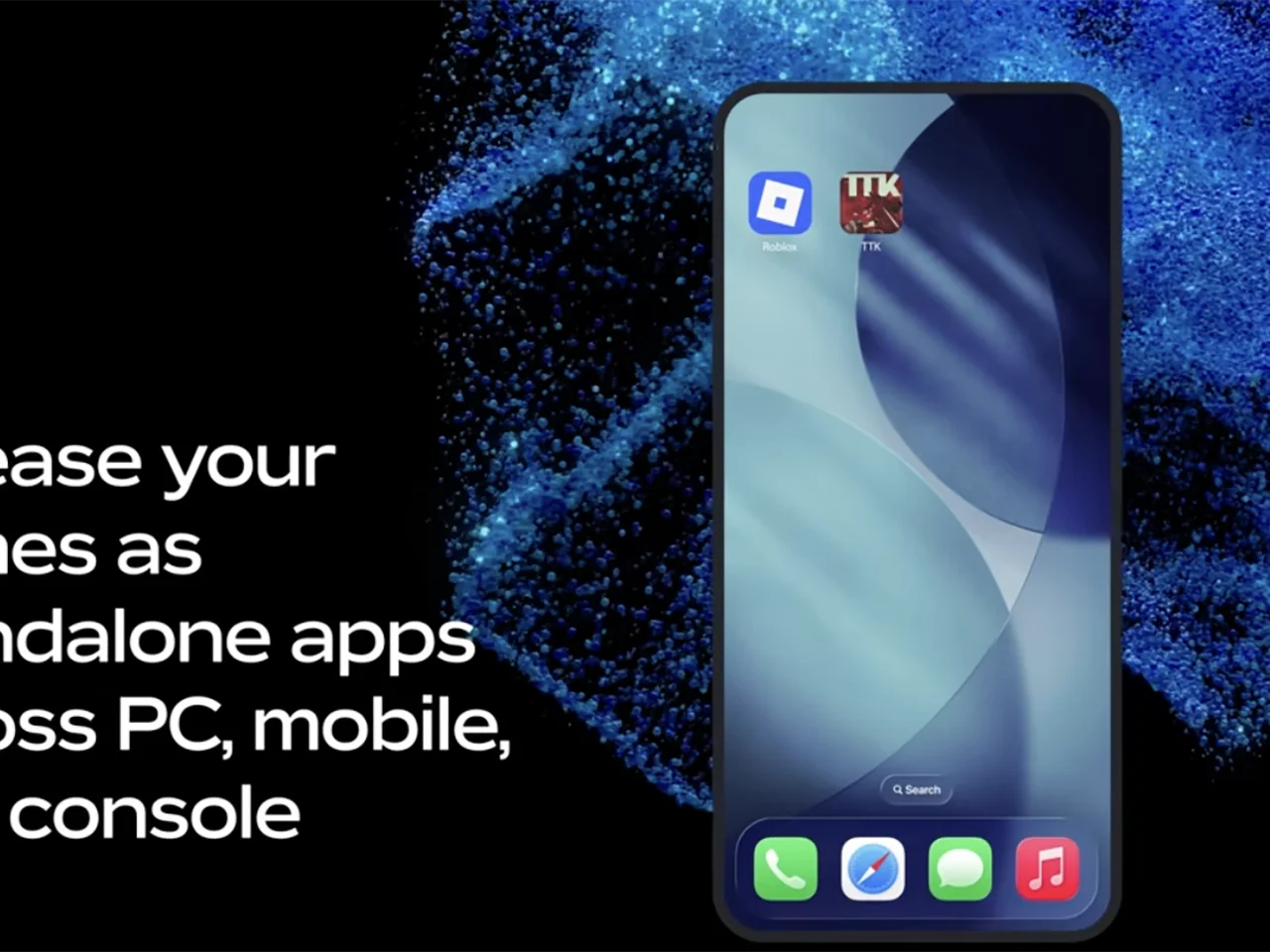
Roblox used its 2026 developer conference to announce a distribution change that could matter more than another generation of rendering features. Creators are getting the option to publish their games as standalone apps.
That means a game can eventually sit on a player's device behind its own icon rather than requiring them to enter the main Roblox application first.
Standalone does not mean disconnected from Roblox
The important part is what creators do not have to rebuild. Roblox says its engine, cloud infrastructure, identity system, social features, safety systems and economy will remain underneath these standalone releases.
Players using a dedicated game app and players entering through Roblox will still share the same underlying platform and will be able to play together across devices.
For larger Roblox studios, that creates a strange but appealing middle ground: the identity of an independent game with much of the infrastructure burden still handled by Roblox.
A browser link will be enough to start playing
Roblox is also attacking installation friction. Chrome support is planned by the end of 2026, allowing players to launch a game directly from its Experience Details Page without downloading the Roblox client.
A creator could send someone a link through social media, search, email or a video and place them much closer to the actual game. More browsers are expected later.
Offline play changes what creators can reasonably build
The company is preparing hybrid games that work online and offline. A developer could maintain the usual live multiplayer experience while also offering a solo campaign when the network disappears.
Offline support is scheduled for mid-2027, with early access planned before then.
Roblox is simultaneously broadening the engine beyond the 3D multiplayer formula associated with the platform. New support for orthographic cameras, sprite-sheet imports, animated image containers and asynchronous turn-based systems is aimed at 2D games, puzzles and other formats that previously felt awkward on Roblox.
Build has already attracted creators who never touched Studio
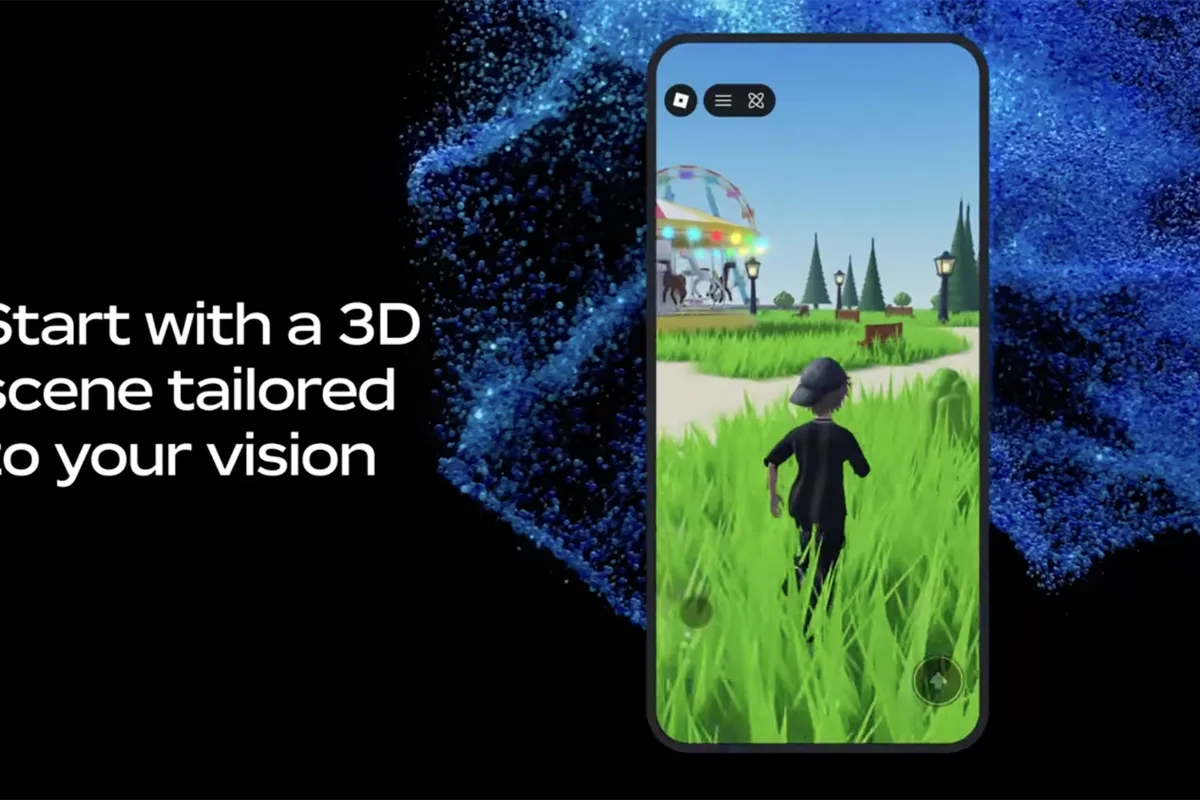
AI creation is another major part of the strategy. Roblox says roughly 9,000 games have been published with Build since the tool entered alpha testing in New Zealand.
More strikingly, 71% of people who created a game with Build had never previously used Roblox Studio.
The alpha is now expanding to Serbia and Singapore. Build is adding desktop access, an asset library and more granular iteration controls, while Roblox is working to connect it more closely with Studio.
Scene Generator is due later this year and will turn a text prompt plus a reference image into an editable functional layout. Automated NPC-based playtesting is also on the roadmap.
Roblox is unbundling the front door, not the platform
That is what makes Roblox Everywhere unusual. Roblox is not trying to make itself irrelevant after creators finish a game. It is making the visible Roblox app less mandatory while keeping most of the underlying stack intact.
A successful creator can gain another storefront, another icon and another route to players without abandoning the ecosystem that powers the game.
For a company built around keeping creators and players inside one enormous application, opening more doors into the same platform is a substantial shift.