News News Official
Moss developer Polyarc is closing after nearly 12 years
Polyarc has reached the end of its story. The Seattle studio behind Moss and Moss: Book II is shutting down after nearly twelve years, bringing an abrupt end to one of VR gaming's most recognizable independent developers.
 By Maëlle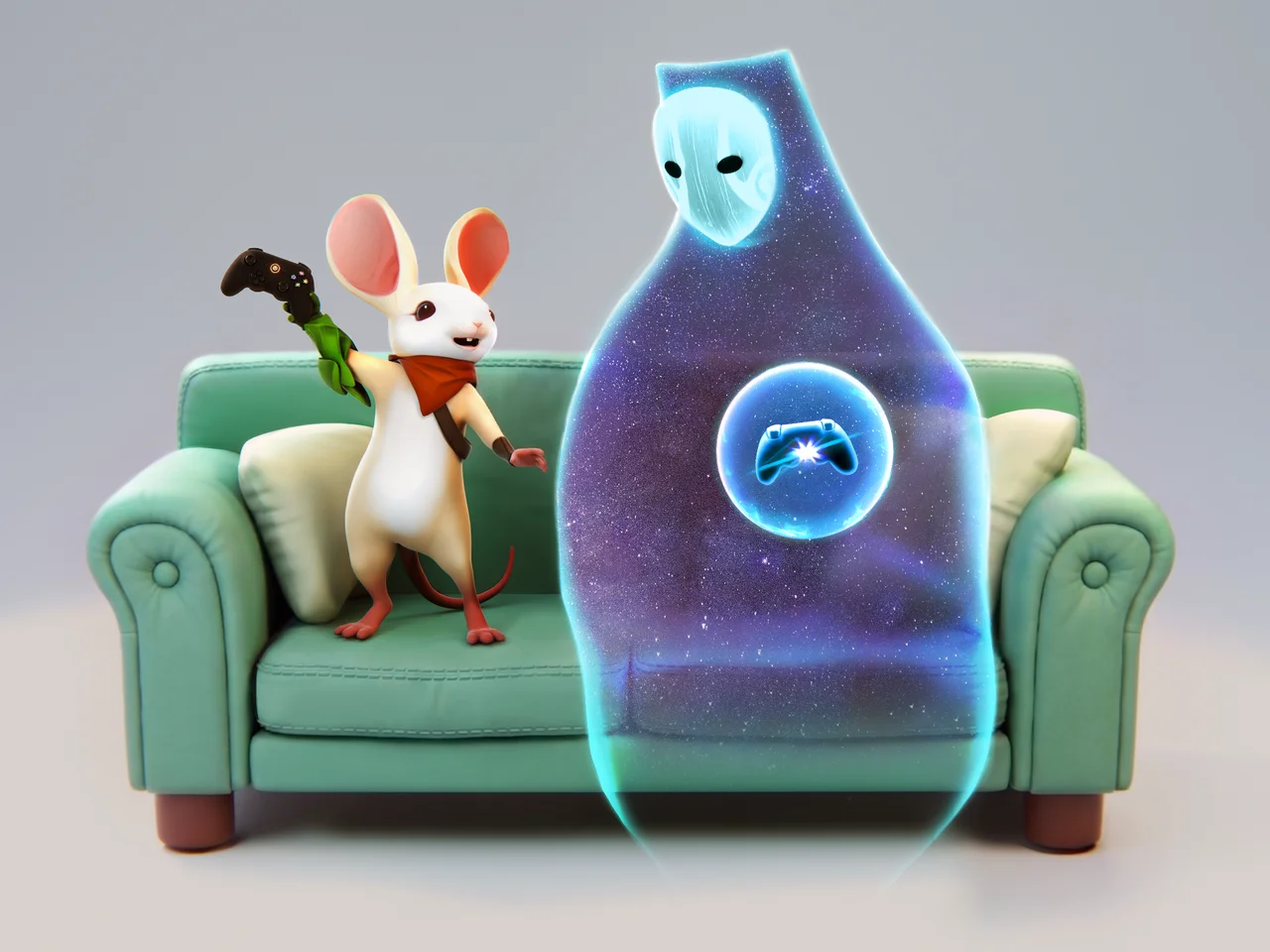
Polyarc announced on September 11 that active development is winding down and the studio is closing. Its farewell message thanked the developers who built the company and described the moment simply as the end of an era.
A reverse-recruiting list was shared alongside the announcement to help affected employees find new positions. Twenty-nine people are listed as looking for work.
The damage started months earlier
Polyarc had already gone through a severe restructuring in the spring. The studio said a major project had been cancelled and an effort to secure replacement funding had failed.
Former staff later said roughly two thirds of the team were cut. The project had reportedly lost its funding while it was already in development, leaving Polyarc looking for an alternative publishing arrangement that never materialized.
The company kept operating with a much smaller team, but the reprieve lasted only a few months.
Moss made an unusual kind of VR hero
Polyarc's reputation was built on Moss, released in 2018. Instead of forcing a familiar first-person VR template onto an adventure game, Moss let players look into miniature environments while directly controlling Quill and interacting with the world around her.
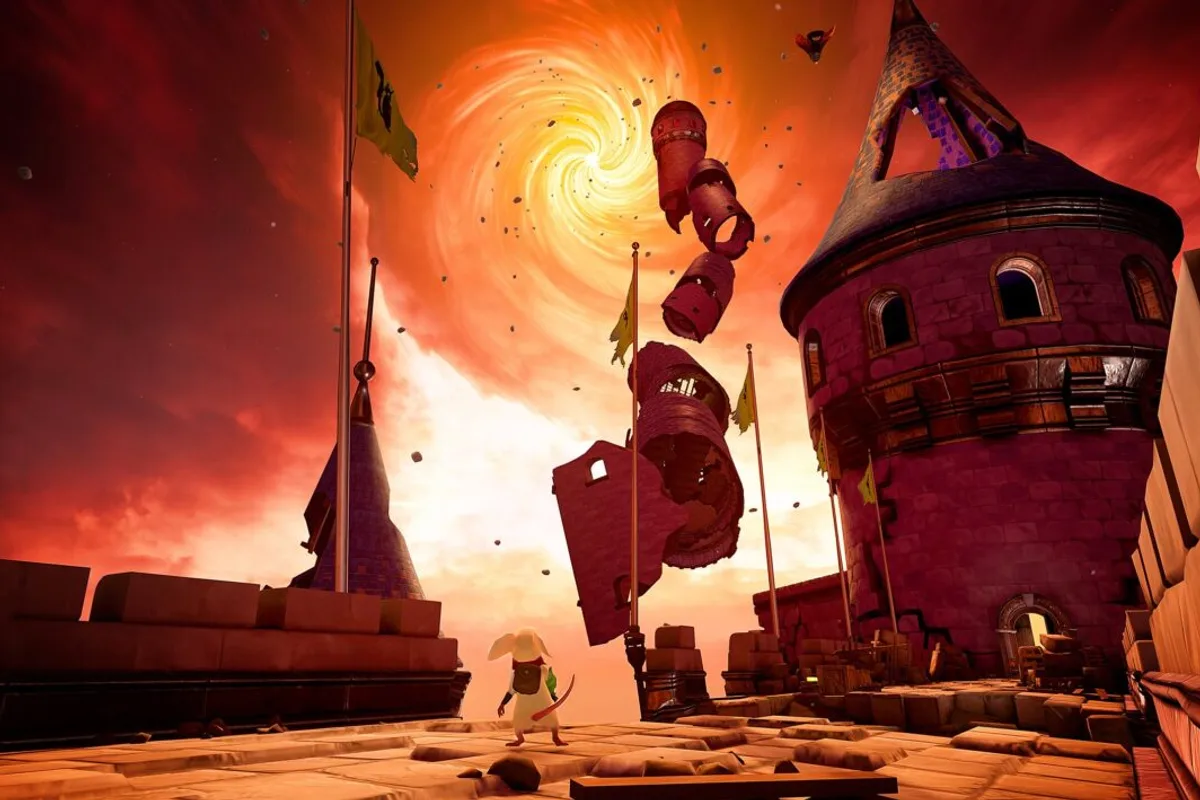
The format gave the game an identity beyond the novelty of using a headset. Moss expanded from PlayStation VR to PC VR and Quest, while Moss: Book II followed in 2022 and collected major VR awards.
The studio later experimented with competitive strategy through Glassbreakers: Champions of Moss. It remained tied to the same universe, but never established an audience comparable to the main Moss games.
Polyarc spent 2026 trying to reach players outside VR
Moss: The Forgotten Relic launched in July for PC and consoles without requiring a headset. The project combined Quill's previous adventures into a reworked flatscreen version, opening a series long associated with VR to traditional platforms.
Polyarc explicitly described that accessibility as part of the reason for making it. Players who had followed Quill for years but never owned compatible VR hardware finally had another route into the series.
Then came one last update
On September 3, Polyarc released the free Play Together update for Moss: The Forgotten Relic. Local co-op split the game's two roles between separate players, with one controlling Quill and the other acting as the Reader.
It was still adding features to its newest game eight days before announcing that development at the studio was over.
A difficult ending for a VR veteran
Polyarc's closure lands during a rough period for specialist VR development. Other established studios have faced layoffs, cancelled projects or closures as financing and platform priorities have shifted across the XR business.
That wider context should not be confused with a confirmed explanation for every detail of Polyarc's collapse. The company did not identify the cancelled project's former funder in its closure announcement, nor did it publish a complete financial account of why the studio could no longer continue.
What is clear is uncomfortable enough. Polyarc created one of modern VR's most recognizable series, survived a cancelled project and a drastic reduction in staff, attempted to bring Moss to a wider console and PC audience, and still reached the end of the road in September 2026.