
News News Official
1000Hz vs 1100Hz sounds simple until you look at the resolutions Acer and Samsung are actually driving
The gaming-monitor refresh-rate race has crossed into four digits twice in the space of a few days. Acer has a 1000Hz Predator at IFA, Samsung has an 1100Hz Odyssey, and comparing those two numbers alone misses the most important distinction. One is driving Full HD at its maximum rate. The other trades resolution for the last 500Hz.
 By Nolind
Acer is doing 1000Hz at 1920 by 1080
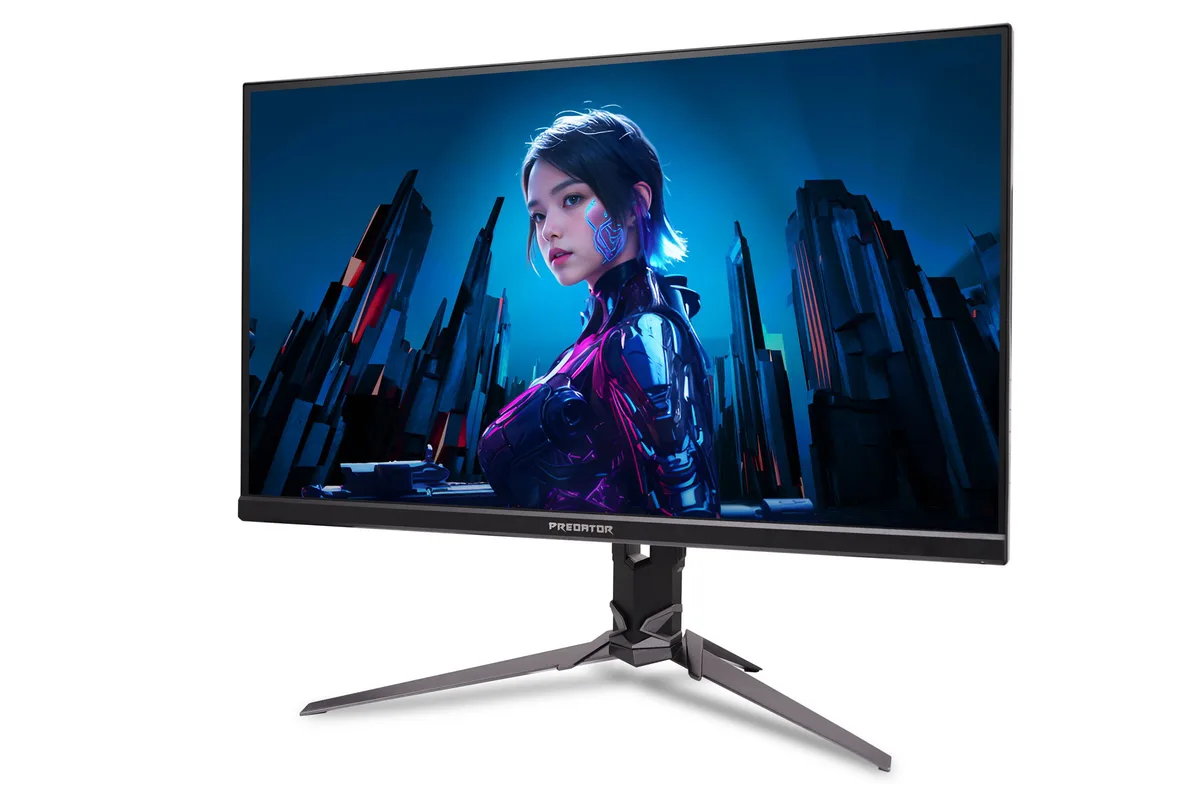
Predator XB253Q U1 is a 24.5-inch IPS esports monitor running its full 1920 × 1080 resolution at up to 1000Hz.
Acer specifies a 0.3ms response time with VRB Pro enabled, alongside AMD FreeSync Premium and NVIDIA G-SYNC Compatible support.
Brightness is rated at 400 nits natively and 450 nits in HDR400 mode. Color coverage reaches 99 percent sRGB and 90 percent DCI-P3.
Samsung's 1100Hz figure comes from its lower-resolution mode
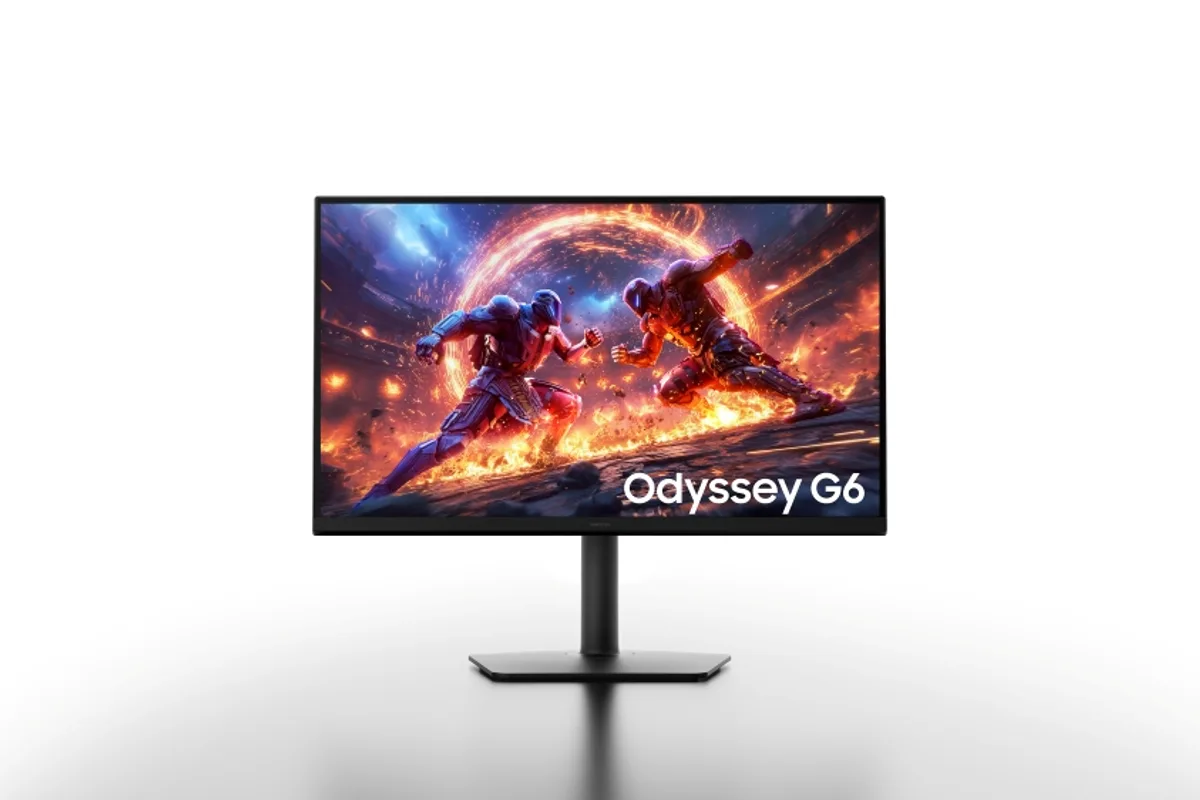
The 27-inch Odyssey G6 G60H uses a Fast IPS panel and has a native 2560 × 1440 mode running at up to 600Hz.
Dual Mode drops the display to HD resolution to reach 1100Hz. Samsung lists a 1ms response time.
That gives the G6 two very different personalities. Native QHD at 600Hz is already an extreme specification while retaining substantially more image detail. The 1100Hz setting exists for the narrower situation where refresh rate is prioritised above resolution.
The extra 100Hz saves roughly 0.09 milliseconds
One 1000Hz refresh interval lasts 1ms. At 1100Hz, it falls to roughly 0.91ms.
Samsung's headline advantage over Acer therefore amounts to around nine hundredths of a millisecond between refreshes, before considering pixel response, rendering latency, input latency and whether the GPU has another completed frame available.
That does not make 1100Hz meaningless. It does make the comparison considerably more specialised than 1100 being simply 10 percent better than 1000 in actual play.
Feeding either display is the harder problem
A 1000Hz monitor can scan out a thousand updates every second. The game still needs to produce frames at a rate high enough for that capacity to matter.
Competitive games with deliberately low graphical settings are the obvious use case. Counter-Strike 2 and Valorant can reach exceptionally high frame rates on powerful systems, particularly when players reduce visual settings and resolution.
Modern graphically intensive games are a different proposition. Even very fast GPUs can spend far more than one millisecond rendering a frame.
Diminishing returns become very literal
At 60Hz, each refresh takes about 16.7ms. At 120Hz it is 8.3ms, and 240Hz reduces it to roughly 4.17ms.
A 500Hz panel is already at 2ms. Doubling that to 1000Hz saves another millisecond. Going from Acer's 1000Hz to Samsung's 1100Hz removes only about 0.09ms.
Motion clarity can still improve as refresh rates climb, but panel response, backlight behaviour, frame delivery and total system latency increasingly determine how useful the improvement is.
Acer has a price, Samsung does not
Predator XB253Q U1 is scheduled for Europe in Q1 2027 at €1,099, with a $1,099.99 starting price in North America.
Samsung says Odyssey G6 availability begins globally during the second half of 2026. Pricing and exact regional launch timing have not yet been announced.
For now, Acer has established what native 1080p at 1000Hz costs. Samsung still has to put a price on the extra 100Hz.