News News Official
Rakugaki Beast is out, turning your doodles into 3v3 fighters
Rakugaki Beast has arrived on Steam with a creature creator that starts in an unusually low-tech place: draw something. The game then uses AI to interpret both the picture and the name you give it, turning that combination into a playable beast rather than asking you to pick one from a predefined roster.
 By Kader Rakugaki Beast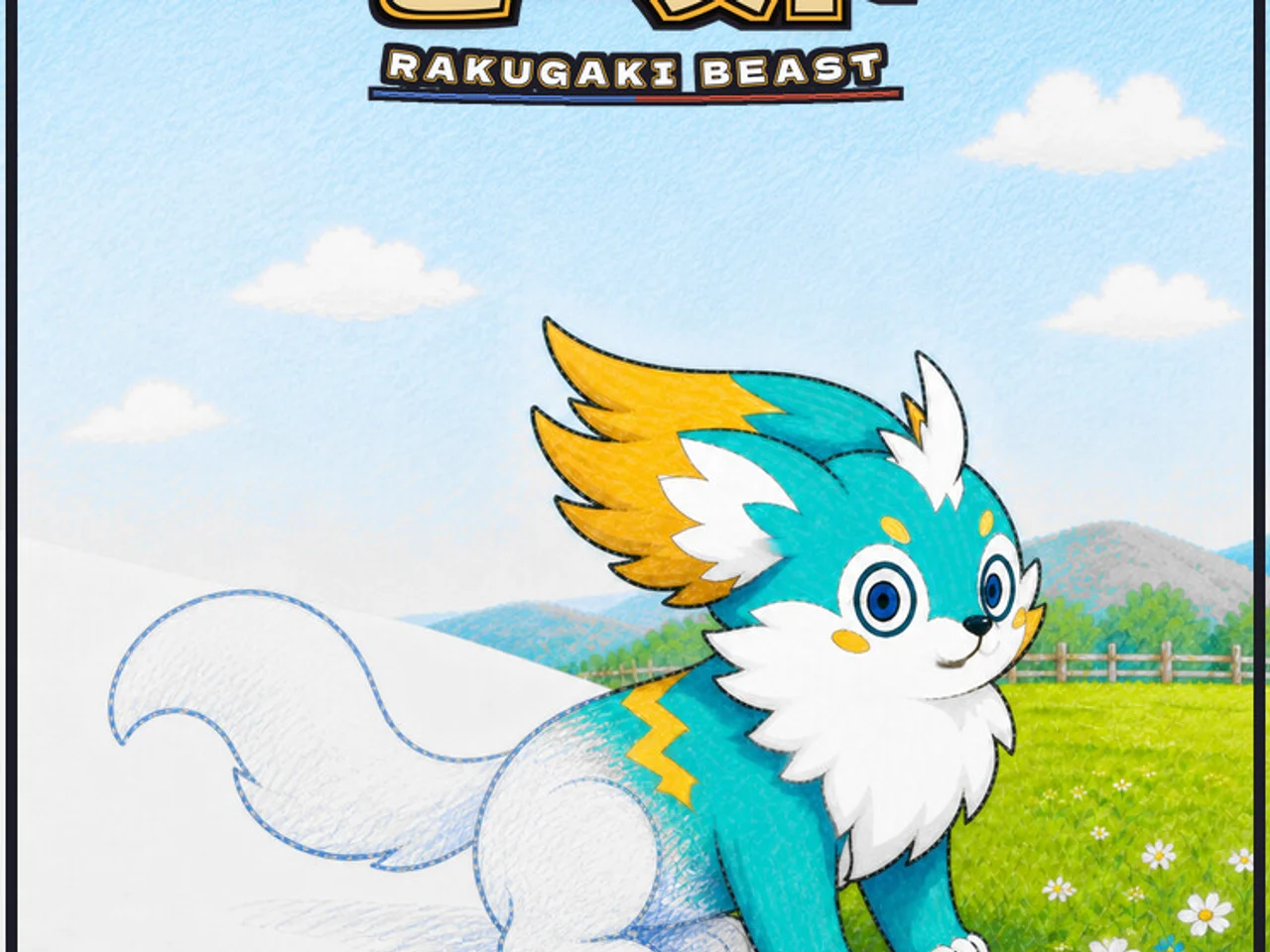
The drawing stays yours
Maveroni released Rakugaki Beast on September 24 for Windows and macOS. Its central loop begins with an in-game canvas. Players draw a creature, name it and register it; the game then produces an element, statistics, moves, personality and backstory inspired by those inputs.
Importantly, the original doodle remains the creature's artwork. The AI is being used to interpret the player's creation and construct game data around it, not to replace the sketch with a newly generated picture.
Names matter as well. The same drawing can produce a different beast when registered under a different name, giving players another variable to play with beyond the image itself.
Three beasts make a team
Those creations eventually become a party of three for turn-based battles. Rakugaki Beast supports several approaches to multiplayer rather than forcing every encounter into a conventional live matchmaking format.
Ghost Battle lets players upload a team that other people can challenge asynchronously while the CPU controls the opposing creatures. Friend Battle instead uses existing teams in a private room joined through a code or Steam invitation.
Instant Battle is the more chaotic variation. Both players draw three new beasts for the match, reveal their creations and then fight with the freshly generated teams. It turns the drawing stage itself into part of the multiplayer contest rather than treating character creation as preparation done hours earlier.
How the AI component works
The Steam disclosure gives unusually specific information about the underlying service. Rakugaki Beast uses AI at runtime, with drawings routed through a Cloudflare-hosted service to the DeepSeek API for evaluation and content moderation. Names and language settings are also evaluated when creatures are registered.
Online sharing adds another moderation layer. When players use Ghost Sharing, creature drawings and associated text fields can be submitted for moderation before appearing to other players. Private friend matches using existing parties likewise require moderation of relevant user-created content.
That makes the generative component part of the game's rules rather than a pipeline Maveroni used quietly during production. The interesting question each time is not whether the game can draw a better monster for you. It is what sort of combatant it decides your own terrible monster was supposed to be.
A small launch with a browser demo
The regular US price is $6.99, with a 10% launch discount during the first week; Maveroni lists a regular Japanese price of ¥980. English and Japanese interfaces are supported.
There is also a free browser demo for trying the drawing and card-generation portion without buying the Steam release. Battles are reserved for the full game.
That division makes the demo a particularly clean test of Rakugaki Beast's main trick. If watching a rough sketch come back with an element, moves and an inexplicably serious biography is amusing enough, the full game gives that accidental creature somewhere to go: into a three-beast team, or onto somebody else's screen as a Ghost opponent.