
News News Official
The Standard PS5 Finally Gets AI Upscaling as Sony Launches QSSR
Owners of the standard PlayStation 5 no longer need a PS5 Pro to experience some of Sony's AI upscaling technology. Starting October 1, 2026, Marvel's Wolverine and Ghost of Yōtei gained a new graphics option called Quick Spectral Super Resolution. Known as QSSR, the technology represents a significant extension of PlayStation's graphics strategy.
 By Maëlle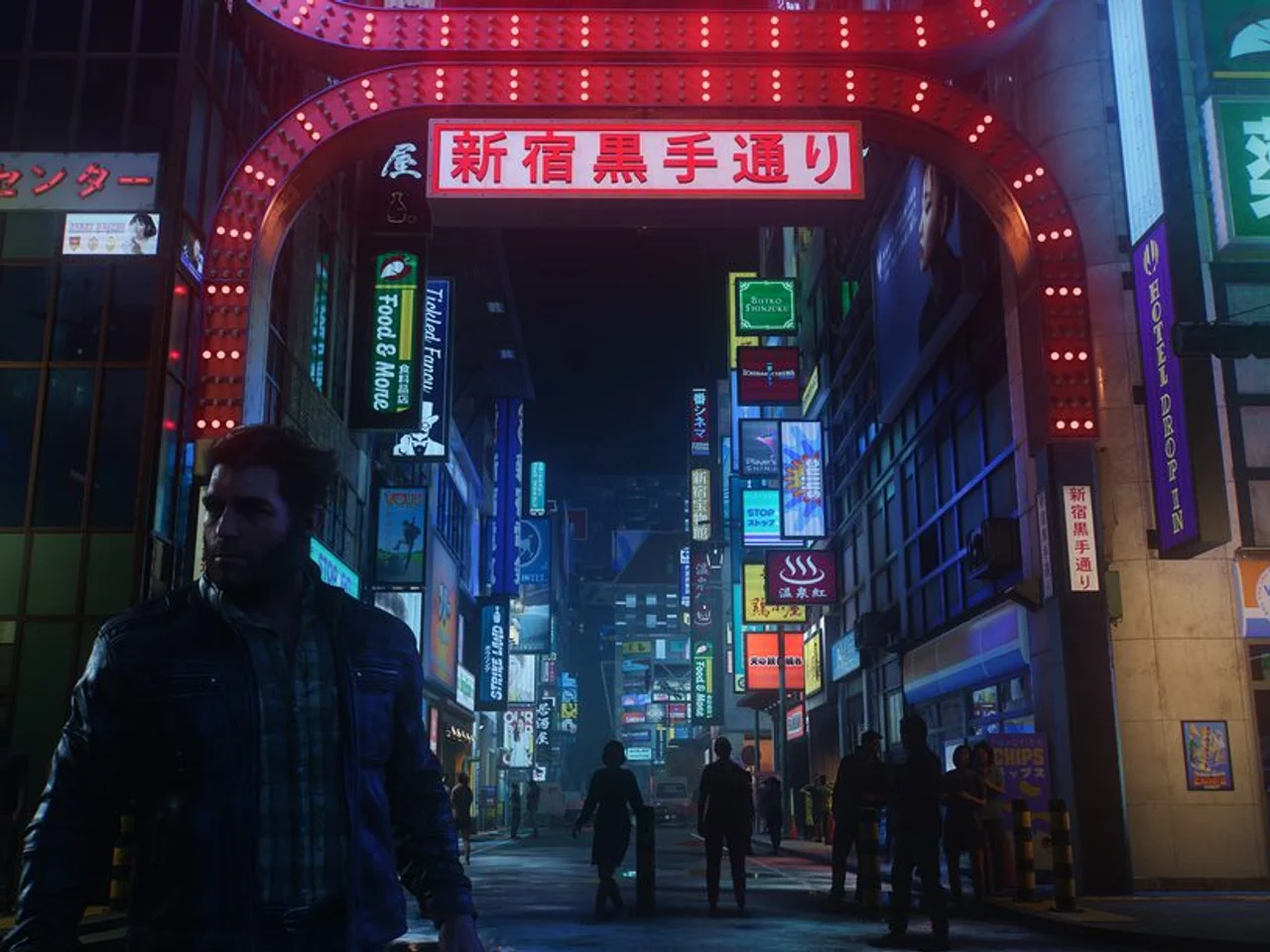
Since the arrival of PS5 Pro, PlayStation Spectral Super Resolution has been one of Sony's main arguments for its upgraded console. PSSR uses artificial intelligence to reconstruct a more detailed image from a lower-resolution rendering.
The idea is to improve visual presentation without requiring every image to be rendered natively at a very high resolution. Until now, however, the computational demands of Sony's existing implementation made it unsuitable for the standard PlayStation 5.
Sony has now introduced a different approach designed to work within the original console's hardware limitations.
QSSR Brings AI Upscaling to the Original PS5
Quick Spectral Super Resolution belongs to the same technology family as PSSR, but Sony does not describe the two solutions as identical.
QSSR combines a streamlined neural network with a carefully optimized implementation designed specifically for the standard PS5. This reduces its computational requirements while preserving some of the image reconstruction benefits associated with machine learning.
Sony highlights two main improvements: additional image detail and greater visual stability. Temporal stability is especially important when the camera moves or complex objects shift between frames.
The goal is not to turn a standard PS5 into a PS5 Pro. Instead, QSSR aims to improve the visual experience of supported games without changing the underlying hardware.
Marvel's Wolverine and Ghost of Yōtei Are First
Marvel's Wolverine from Insomniac Games and Ghost of Yōtei from Sucker Punch Productions are the first two titles supporting the technology.
Sony announced patches for both games on October 1, adding QSSR as an additional graphics option on the standard PS5. This is a game-specific feature rather than a universal system setting that automatically improves every title.
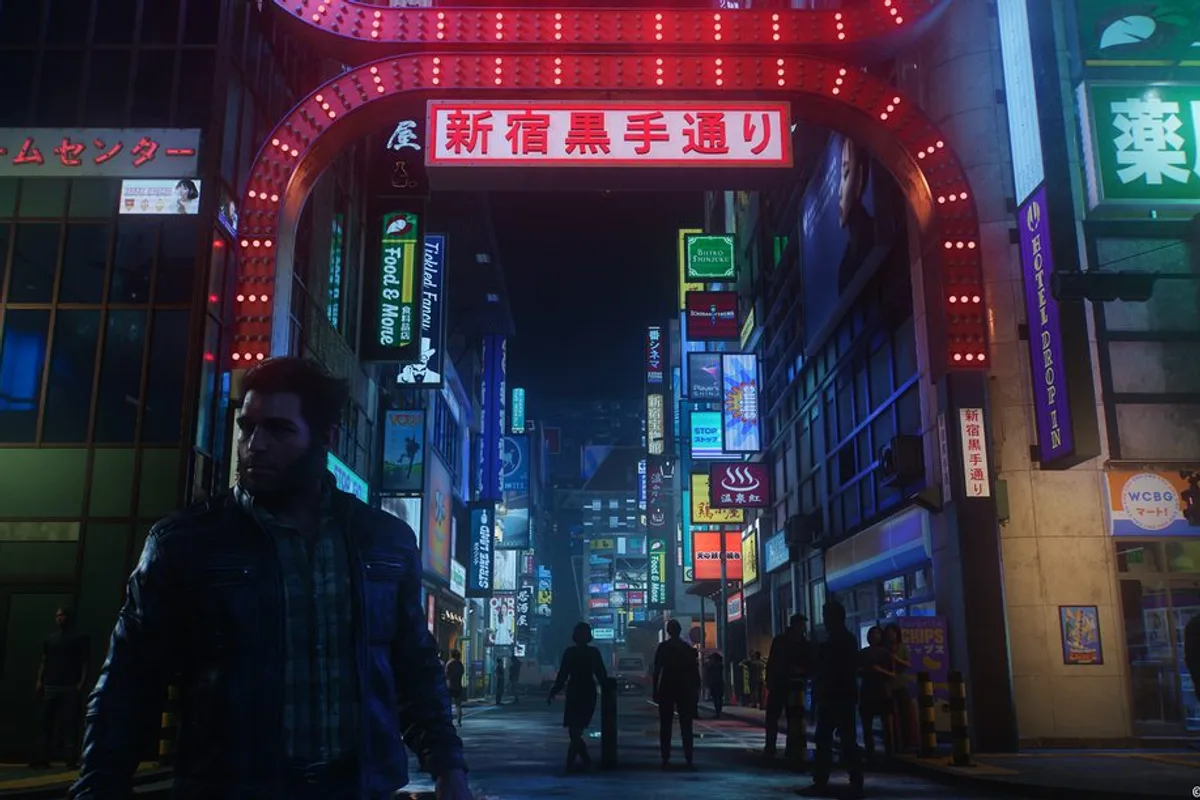
Insomniac technology lead Mike Fitzgerald highlights increased clarity and stability in Marvel's Wolverine, particularly within visually complex environments such as Madripoor and Shinjuku.
Sucker Punch points to improvements in fine environmental and character details in Ghost of Yōtei, alongside more consistent image quality during movement.
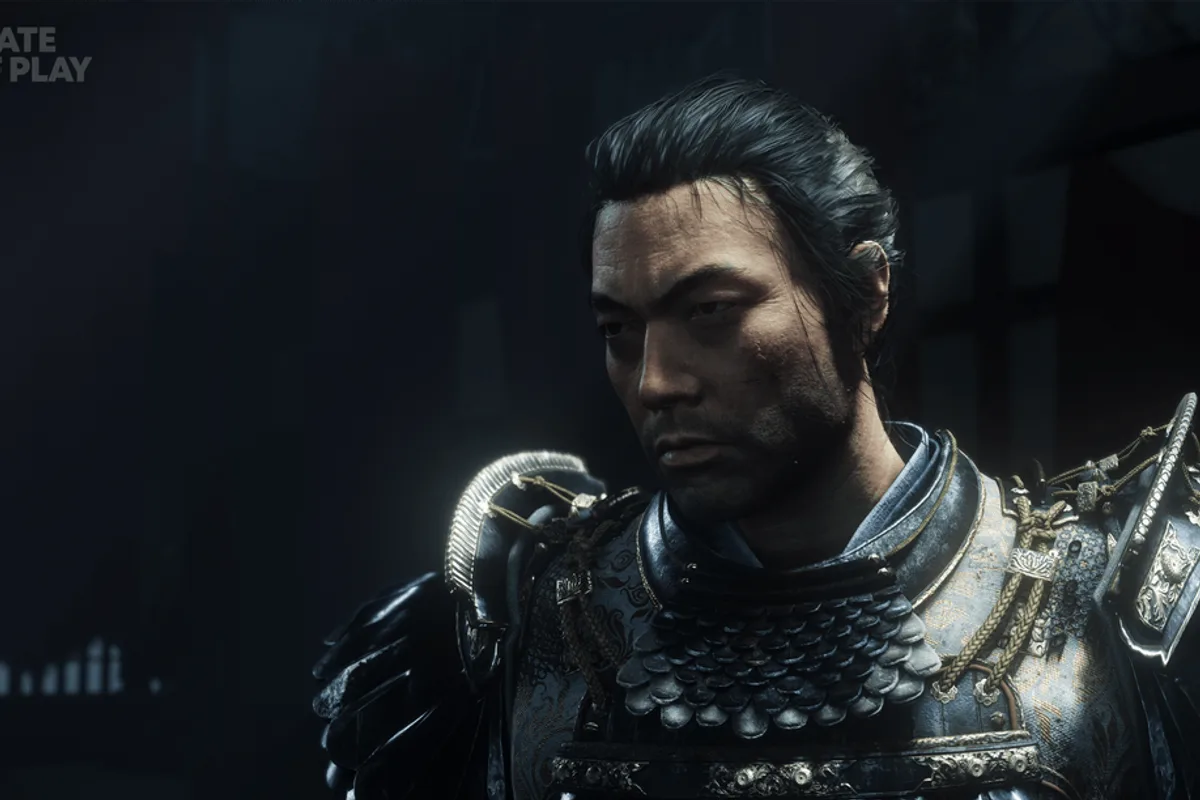
These benefits are described by the developers implementing the technology. Their precise impact may vary depending on the game, graphical mode and individual scene.
The AMD Connection
QSSR emerged from Project Amethyst, Sony's graphics technology collaboration with AMD.
That partnership previously contributed to improvements in PSSR on PS5 Pro. In February 2026, Sony detailed an upgraded version of the technology, with Resident Evil Requiem among its earliest supported releases.
The new announcement has a different objective. Rather than improving reconstruction exclusively on the premium console, Sony is adapting part of the technology to the original PS5.
PS5 Pro Still Has the Advantage
Sony explicitly maintains that PSSR remains its higher-quality solution on PS5 Pro. QSSR is engineered for more limited computing resources and should not be expected to deliver identical results.
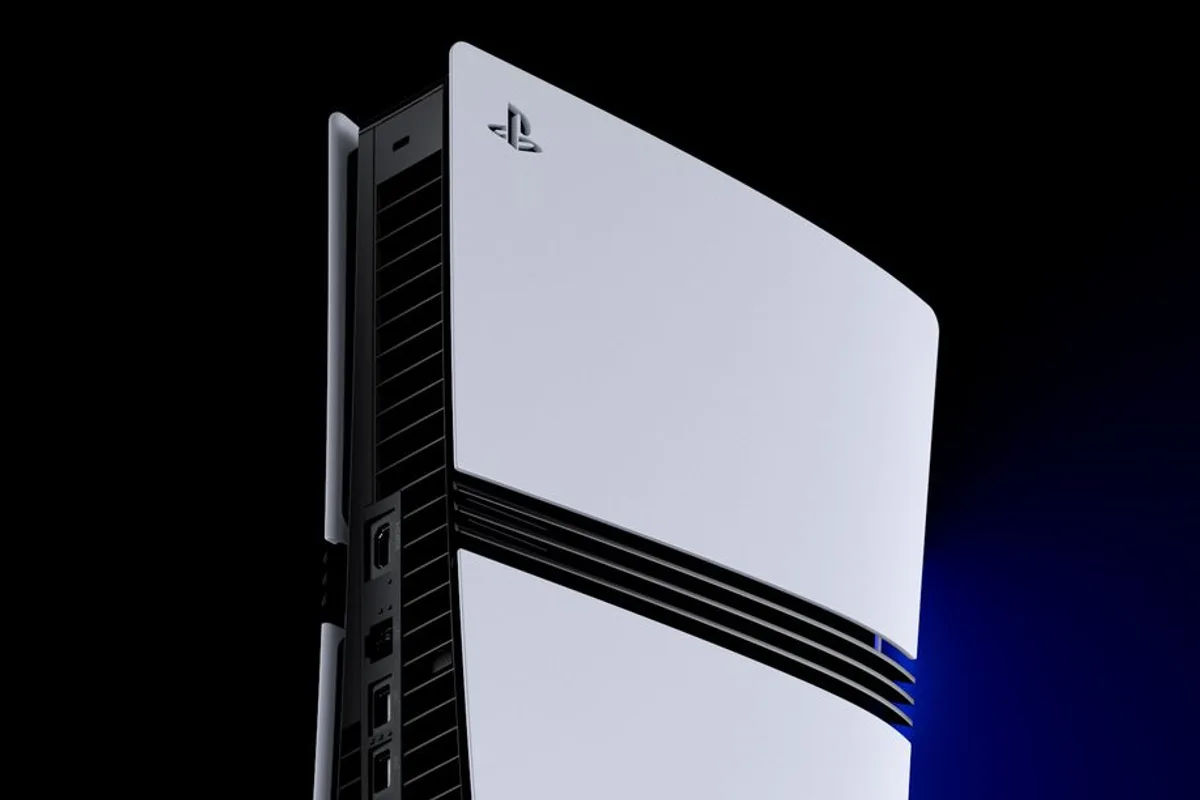
Improved reconstruction quality also does not increase GPU processing power, available memory or ray-tracing capabilities.
A cleaner image can make an existing graphics mode more attractive, but that does not automatically translate into higher frame rates.
More PS5 Games Could Follow
Sony intends to make QSSR broadly available to PlayStation developers, potentially allowing additional studios to adopt the library in future projects or updates.
For now, Marvel's Wolverine and Ghost of Yōtei are the first officially identified games in the October 1 announcement.
Sony has not provided a comprehensive schedule of future supported titles. Additional implementations will depend on developers and their individual release plans.
Even with those limitations, QSSR demonstrates that the standard PS5 can continue gaining new graphics capabilities through improved software. Its components remain unchanged, but the techniques used to make the most of them are still evolving.