
News News Official
Dungeon Settlers is out, and its meanest idea is making your adventurers work before sending them to die
A colony is much easier to manage when the workers stay safely behind the walls. Dungeon Settlers has other plans. CanOpener's new Early Access game uses the same people for settlement jobs and underground expeditions, so losing a veteran in combat can leave a rather inconvenient hole in the workforce back home.
 By Hugat Dungeon Settlers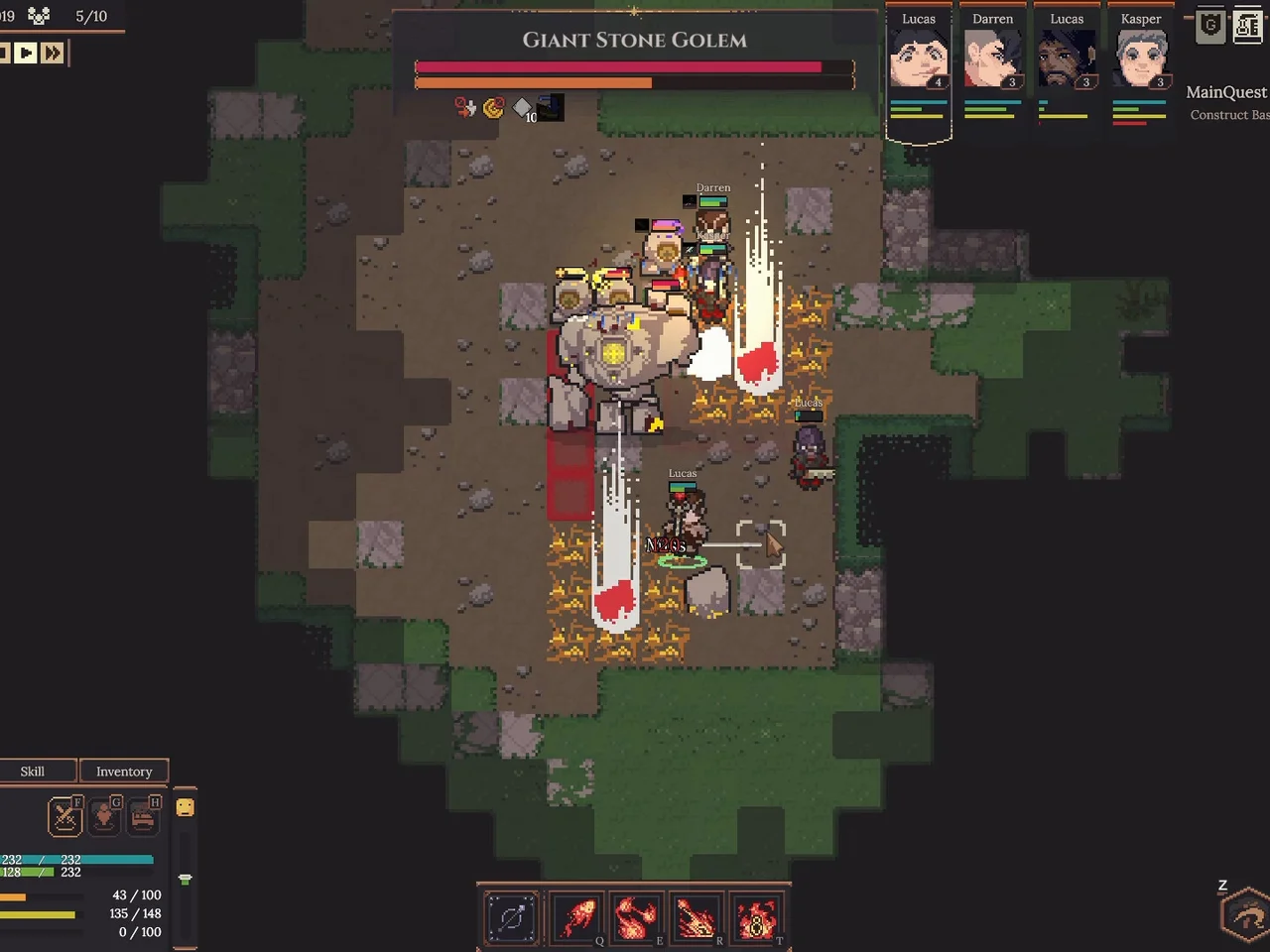
Dungeon Settlers entered Steam Early Access on September 4 for Windows and macOS. Its basic pitch combines a colony simulation with a dungeon crawler, but the interesting part is how aggressively the two sides depend on each other.
The people building, crafting and keeping the settlement running are also the characters who can be assembled into an expedition. Death is permanent.
Everything above ground feeds the next trip below
Settlement management starts on barren land. Players can place walls and doors freely, build bedrooms and dining areas, set up crafting facilities such as forges and smelters, cultivate fields and organize the production required to keep everyone alive.
Those systems are tied directly to exploration. Expeditions need food, camping supplies and equipment, while materials recovered underground help unlock better infrastructure and research back at the settlement.
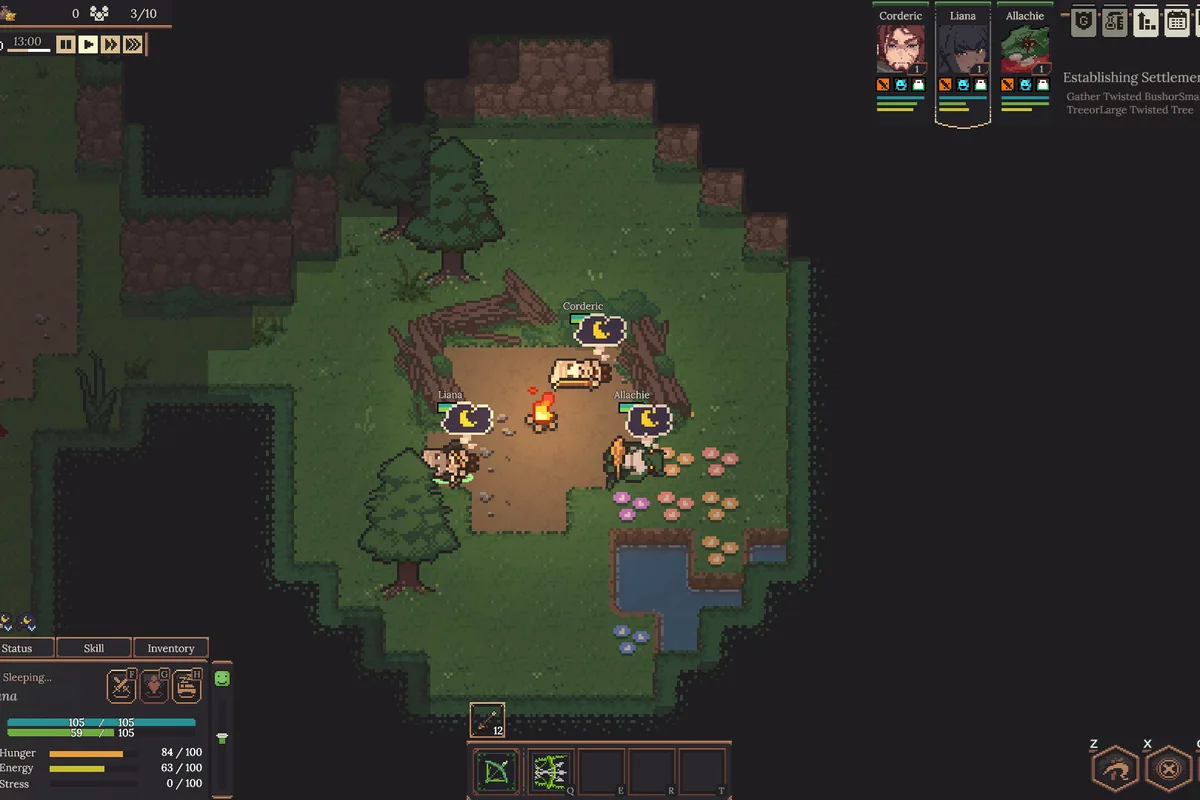
It creates a useful circular pressure. A stronger settlement prepares stronger expeditions, but the dungeon contains the resources needed to make that settlement stronger in the first place.
Your best fighter may also be somebody you cannot afford to lose at home
Settlers are not disposable worker icons. Characters have six major abilities, talents, numerous combat and life statistics, plus traits influenced by race, background and personality.
Up to four members can be taken into a dungeon expedition. Equipment and skill development let the player shape a group around combinations such as swords, blunt weapons, bows and fire magic.
Then permadeath complicates the spreadsheet.
A veteran killed underground does not simply disappear from the combat roster. The colony also loses a developed resident who may have been useful in its economy. Training somebody valuable therefore makes them both more attractive and more dangerous to send into the dungeon.
Real-time combat comes with a pause button for a reason
Battles play out in real time with pause rather than through fixed turns. Players can stop the action, assess positioning and enemy behavior, issue commands and resume.
The combat system includes mechanics such as stun, bleed, burn, provoke, vulnerability, charged attacks and summons. Enemy weaknesses and party positioning matter alongside raw equipment and character levels.
It is the sort of combat model where preparation can rescue a difficult encounter. Preparation can also make the loss hurt considerably more when somebody still dies.
Every expedition reshuffles the dungeon
Dungeon floors and rooms are procedurally assembled for each expedition, with regions receiving different environmental effects. Going deeper means finding rarer and more valuable resources, while the opposition becomes more dangerous at the same time.
The developers describe encounters ranging from giant golems and acid-spitting creatures to underground merchants and stranger events, including an ancient tree willing to trade forbidden fruit for blood.
That makes retreat part of the strategy rather than an admission of defeat. Another room may contain exactly what the colony needs. It may also contain the reason one of its beds stays empty.
Early Access already includes the complete core loop
CanOpener says the launch build already supports settlement expansion, recruitment and character management, dungeon exploration, resource gathering, crafting, research and real-time-with-pause combat. The first two dungeon regions can currently be played from beginning to end.
The studio presently expects Early Access to last for approximately two years, although that estimate may change depending on development and community feedback.
Future updates are planned to add regions, monsters, weapons, skills, races and events while continuing to refine combat balance, management systems, UI and UX, optimization and localization. Mod support and Steam Workshop integration are also part of the longer-term plan.
For a game built around interconnected systems, Early Access gives CanOpener plenty of levers to adjust. Dungeon Settlers is already playable; now comes the considerably harder job of keeping all those levers from crushing the colony at once.