
News News Official
PUBG Mobile Light drops below 1GB by changing what a mobile game needs to install first
Mobile games have spent years getting larger. PUBG Mobile is trying the opposite approach. The initial Android download for its new Light client is advertised at under 1GB, while iOS comes in below 2GB. More importantly, the reduction is not achieved by building another small battle royale with its own progression and community. PUBG Mobile Light is designed as a different entry point into the existing game, with Erangel ready immediately and everything else available when the player actually asks for it.
 By Maëlle PUBG Mobile Light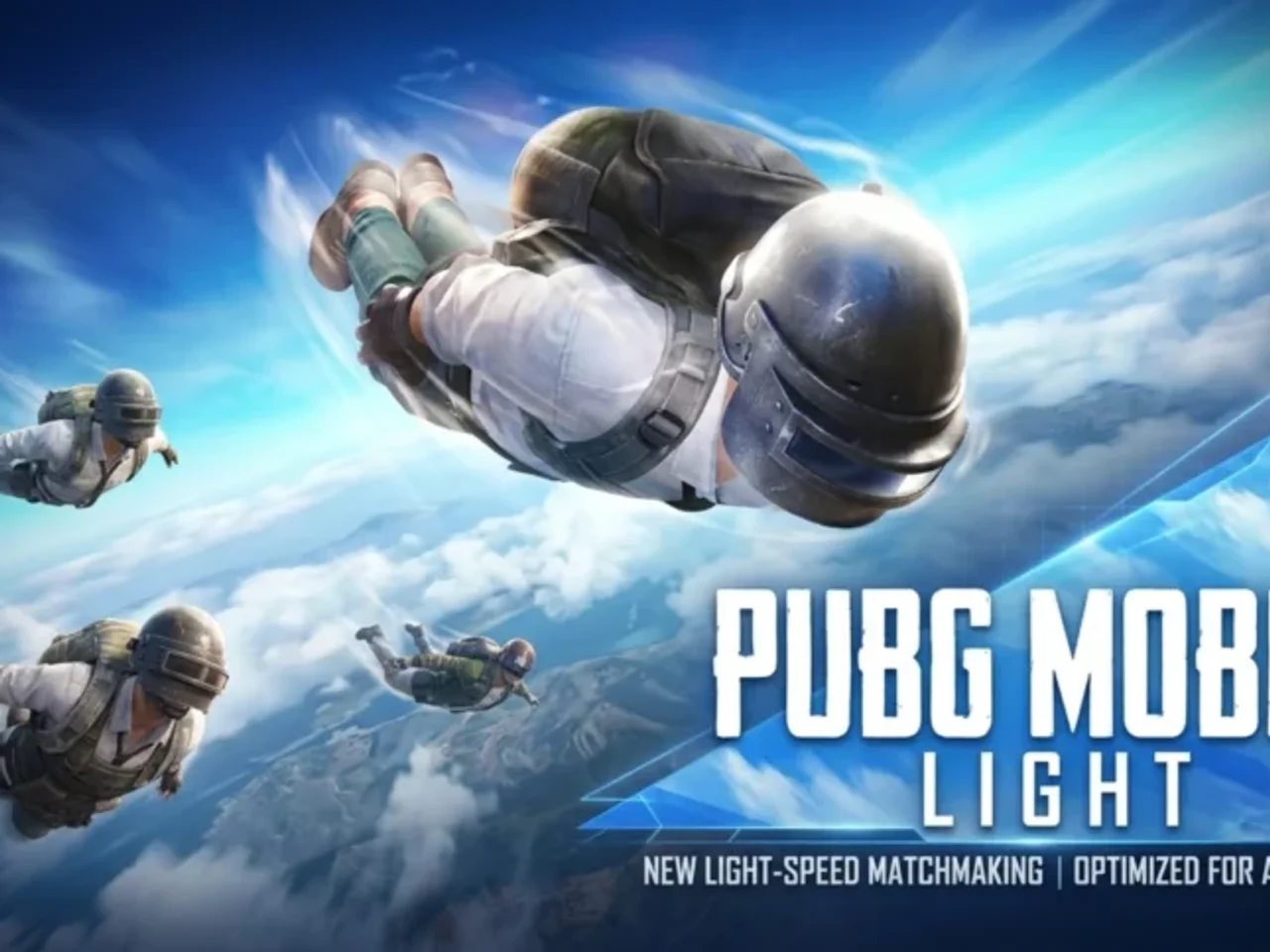
This Light is not the old Lite
The naming is almost unnecessarily confusing.
PUBG Mobile Lite was a separate adaptation designed for weaker hardware. Its compromises extended beyond storage into the game itself, including its own ecosystem and altered battle royale structure.
PUBG Mobile Light takes a fundamentally different route.
Level Infinite describes it as the original PUBG Mobile made lighter rather than a smaller PUBG game.
The Android starting package is under 1GB
Pre-registration began rolling out on August 25 through Google Play and Apple's App Store.
The publisher advertises an initial Android download below 1GB and an iOS package below 2GB.
The official release window is November 2026.
Apple's US listing currently shows an expected November 12 release, but PUBG Mobile's own material still commits only to November, so that specific day should not yet be treated as a confirmed worldwide launch date.
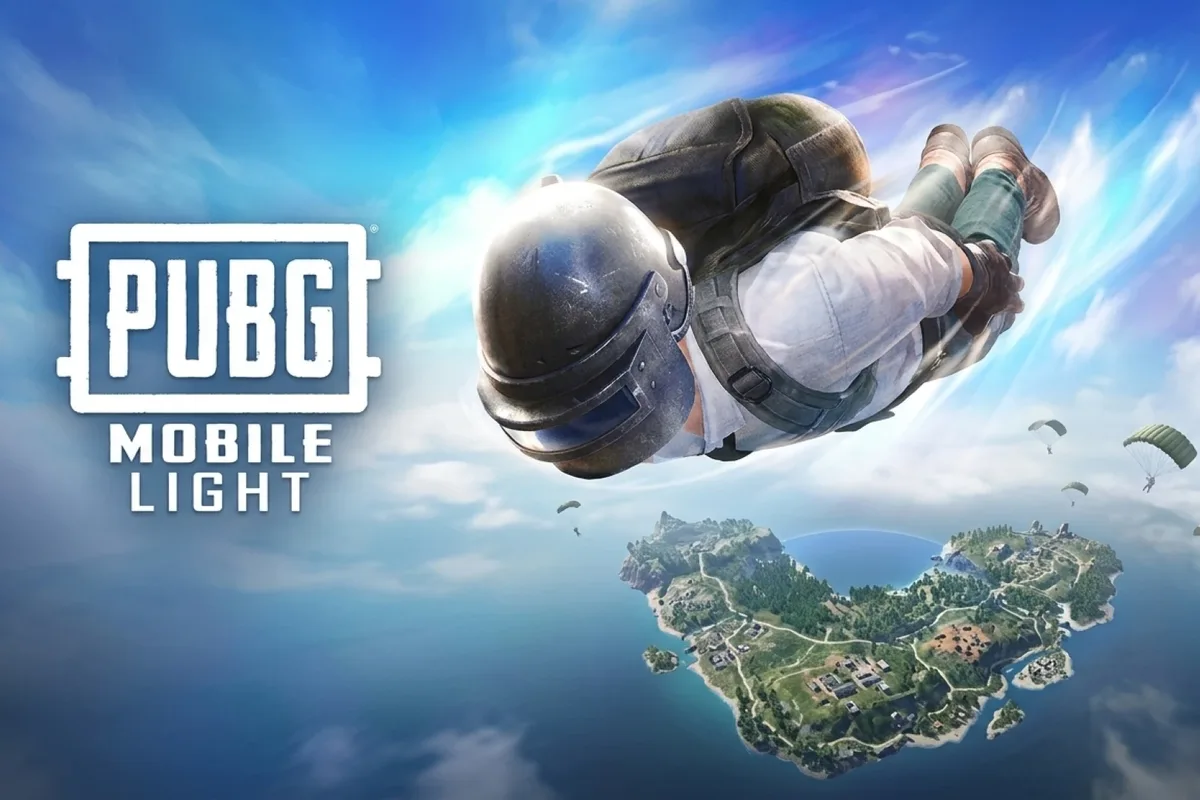
Erangel is already inside that first download
Light is intended to be playable without immediately pulling another large resource package.
Erangel is included from the start.
Additional maps and modes can then be installed when the player wants them.
The result resembles a modular installation more than a stripped-down game.
That matters because PUBG Mobile has become a platform
Years of service have turned the game into far more than its original map.
Maps, modes, collaborations, events and graphical assets naturally expand the amount of data surrounding a long-running live service.
That is useful for retention but awkward on a device whose storage is also occupied by photos, messaging apps and every other part of daily life.
Light treats storage as something the player can allocate rather than something the game simply claims.
Under 1GB does not mean the complete game can never become larger
The advertised figure concerns the initial package.
A player who downloads additional maps and resources will naturally increase the app's total footprint.
That distinction is important.
Light is not compressing the entire history of PUBG Mobile into a magical one-gigabyte archive. It is reducing how much of that history must be stored before the first match.
Existing players do not lose their identity
The same PUBG Mobile account is designed to work across the experience.
Friends, player data and owned content remain part of the same ecosystem rather than beginning again inside a new Lite profile.
That makes the smaller client useful to long-term players as well as newcomers.
Saving storage would be considerably less attractive if the price was abandoning years of progression.
The player base is not supposed to split either
Light remains connected to regular PUBG Mobile players rather than establishing an isolated matchmaking population.
Players can squad up across the two clients.
That is particularly important for a battle royale, where the social cost of fragmenting groups can be larger than the technical benefit of a smaller application.
A closed beta is already part of the rollout
PUBG Mobile says CBT access is available in selected countries as pre-registration rolls out.
The company explicitly describes it as a work-in-progress build that does not represent the final version.
A complete public list of supported beta territories has not been clearly provided, so the test should not be confused with a global launch.
Storage has become a genuine market barrier
High-end mobile games increasingly resemble console software in the way their asset libraries grow.
That creates a very different experience on inexpensive phones and in markets where mobile data remains costly.
An extra multi-gigabyte download is not merely an inconvenience when the handset itself may have limited free storage or the user pays closely for every gigabyte transferred.
Light turns that constraint into a product requirement rather than assuming hardware will eventually solve it.
A smaller package does not automatically prove better performance
Level Infinite also says the new client is optimised across a wider range of phones.
Google Play describes the product as “Built for More Devices.”
The final technical boundaries are still less clear than the storage claim.
Detailed minimum hardware, device-specific frame-rate targets and the exact graphical compromises of the launch build still need to be established.
Download size and rendering cost are related problems, but they are not the same problem.
Competitive visibility will be the difficult optimisation
A lower-resolution texture is generally harmless.
Reducing vegetation, draw distance or effects can be much more sensitive in a competitive shooter.
If Light players share the same battlefield with users of the full client, optimisation needs to preserve enough visual consistency that neither side gains an unintended information advantage.
That makes the eventual graphics settings more interesting than they would be in a purely single-player mobile port.
On-demand installation feels surprisingly overdue
Streaming services already assume that a user does not need every piece of content stored locally.
Large live-service games have been slower to adopt that logic consistently.
Yet their structure is almost perfect for it: one player may spend most of their time on Erangel while another regularly uses several additional modes.
Those two people do not necessarily need identical installations.
It should also make reinstalling less painful
A smaller first package changes the cost of switching phones, recovering from a corrupted installation or temporarily deleting the game to free storage.
Getting from an app-store button to an Erangel match becomes the optimisation target.
That improvement will never appear in a damage chart or esports highlight.
For many mobile users, it may matter more than another graphical setting.
The timing is unusually appropriate
Smartphone hardware is moving upward in price as memory and component costs put pressure on inexpensive devices.
PUBG Mobile is responding from the opposite side.
Rather than assume every customer will replace their phone with a faster model containing more storage, the software is being redesigned to impose a smaller initial burden on hardware already in people's hands.
The challenge will be keeping Light light
Live-service clients have an unfortunate talent for gaining weight.
Temporary assets become permanent, caches expand and each new season introduces another collection of resources.
Selective downloads provide a strong mechanism for controlling that growth, but only if Lightspeed continues treating the initial footprint as a product constraint after launch.
A client that starts below 1GB and gradually turns most additional resources into mandatory downloads would lose the point remarkably quickly.
Light's smartest compromise is what it refuses to remove
The old approach to low-end mobile hardware was straightforward: make a smaller game.
PUBG Mobile Light tries to make the doorway smaller instead.
The account remains. The friends remain. The core battle royale remains. The player decides how much additional content deserves space on the device.
If that structure survives years of updates, the more interesting question may not be how PUBG Mobile managed to start below a gigabyte.
It may be why so many other enormous mobile games still insist on making every player download almost everything first.