
News News Official
PEAK triples in size on PC as developers explain why they added 208 maps
PEAK has reached another milestone, but PC players have noticed an unexpected change: its installation is considerably larger. Following the cooperative climbing game's October 22, 2026 release on PlayStation 5, Xbox Series X|S and Nintendo Switch 2, an update of roughly 10GB increased the Steam installation to approximately 15GB. In explanations reported on October 24, Team PEAK revealed the main reason: 208 maps have been introduced into a long-term rotation, replacing a system that required the developers to regularly distribute fresh map selections.
 By Kader
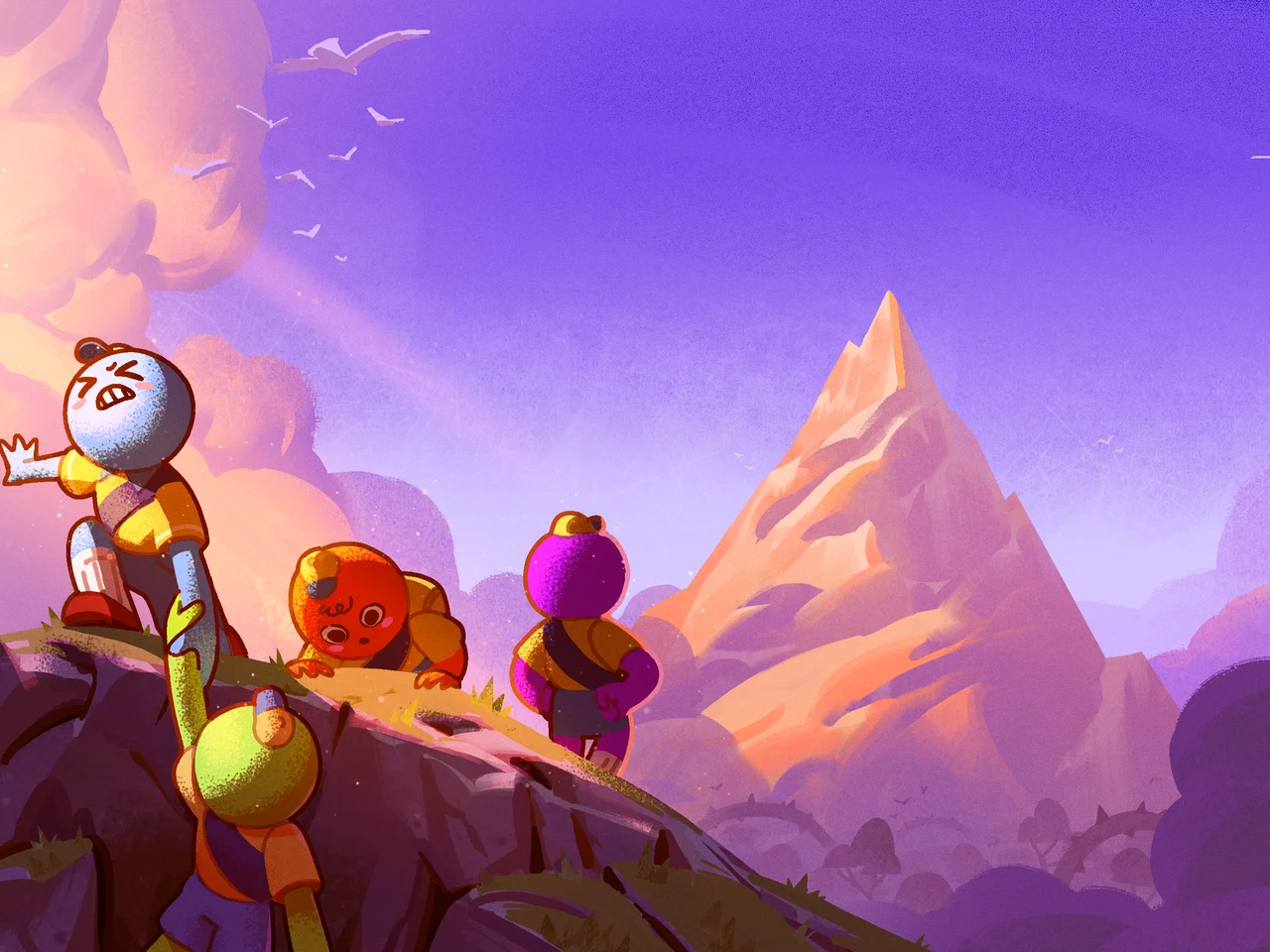
PEAK started with a simple premise: climb a mountain with friends, help one another through dangerous sections and accept that one mistake can ruin an expedition. Its success eventually turned a small collaborative project into a much larger undertaking for its two developers. Now, even the way the game handles its maps has needed to evolve.
On October 22, Aggro Crab and Landfall launched PEAK on PlayStation 5, Xbox Series X|S and Nintendo Switch 2. Cross-platform multiplayer arrived alongside those releases, allowing console players to join their friends on Steam.
For PC users, the transition also meant a substantial download. According to figures reported by GamesRadar+ on October 24, an update of approximately 10GB increased the installation to around 15GB.
That is a major increase for a game that previously occupied considerably less storage. However, the developers have provided a concrete explanation: the larger download primarily reflects a much bigger selection of maps stored directly within the game.
208 maps replace the old rotation system
Until now, PEAK relied on daily maps that were regularly refreshed by its developers. Team PEAK manually prepared batches of roughly thirty maps, then released Steam updates to replace the previous selection.
The system maintained variety but also required continuing intervention. Each new batch had to be generated, prepared and delivered to players.
With update 3.0.0, the developers have chosen a different approach. They have introduced 208 maps intended to rotate over time without requiring frequent replacements of the game's files.
The figure does not mean PEAK now contains 208 separate story expansions or entirely distinct game worlds. It refers to island maps used in the game's mountain generation system. The patch notes explain that these maps are now stored in assetBundle files and are not expected to change regularly.
This larger stored selection accounts for much of the installation increase.
A solution designed for life after major updates
The technical change also reveals something important about PEAK's future.
Aggro Crab and Landfall explain that the game's last major content expansion, The Final Ascent, arrived in August 2026. The developers now consider that part of the development cycle complete.
Console versions and cross-play were among the remaining major objectives. With those launches completed, Team PEAK plans to investigate bugs and finish outstanding work rather than produce further large content expansions.
That creates an obvious challenge for a game built around repeated climbing expeditions: how do you maintain variety when developers are no longer preparing fresh batches every few weeks?
The 208-map system is intended to solve that problem. Instead of relying on frequent new downloads, the game now contains a much larger reserve of routes that can cycle automatically.
This does not guarantee an infinite number of entirely new experiences. Players will eventually encounter configurations they have seen before. However, the expanded selection should provide considerably more variety before routes repeat.
Cross-play now connects PC and console players
The other major improvement is immediately relevant to multiplayer groups: PEAK is now available across current-generation consoles and supports cross-platform sessions.
PlayStation 5, Xbox Series X|S and Nintendo Switch 2 owners can play alongside Steam users. Team PEAK has reused the room-code feature introduced earlier to help friends join the same lobby.
For a cooperative game, this matters considerably. PEAK relies on communication, helping companions through difficult climbs and making shared decisions when a teammate is running out of stamina or struggling to reach the next ledge.
Availability across multiple systems makes it easier to maintain those groups without requiring everyone to own the same hardware.
However, multiplayer compatibility does not mean every other part of the experience transfers between platforms.
Steam progress does not transfer to consoles
Team PEAK confirms that players cannot transfer their Steam progress to another platform.
Someone who buys PEAK on console will therefore need to earn their badges again, even if they have already collected many achievements on PC.
Cross-play covers multiplayer sessions, not complete synchronization of personal save data.
Mod compatibility also requires clarification. The developers do not guarantee that modified PC installations will function correctly in sessions involving console players.
Some client-side changes may work, but official support is not assured. Team PEAK recommends testing the game without mods before reporting technical problems.
PC groups accustomed to using modifications may therefore need to return to an unmodified installation when playing with friends on consoles.
Technical issues following the console launches
Introducing several new platforms and cross-play at the same time has also created a need for fixes.
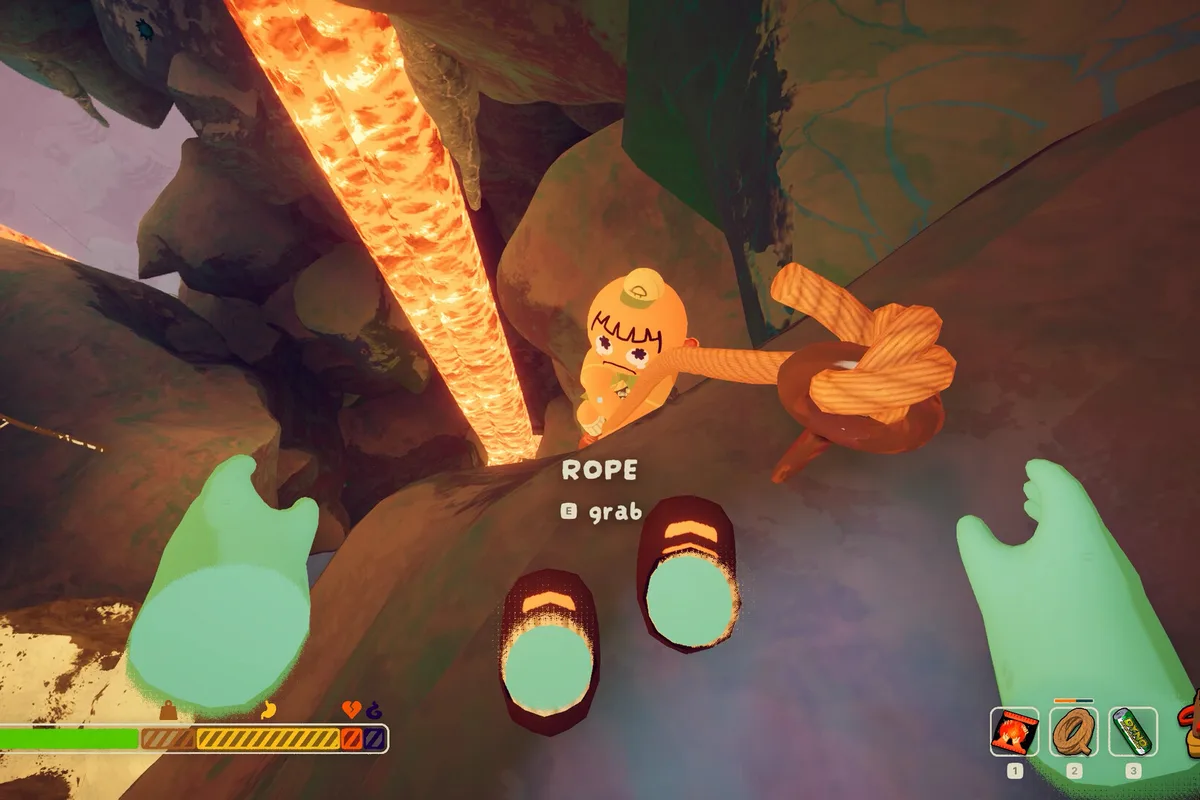
Update 3.0.0 addresses multiple issues involving character interactions, collisions with invisible environmental objects and some campfire behavior.
A subsequent 3.0.1 hotfix arrived on October 23 to improve room-code connections between regions.
Other problems have been reported around the console launches. Team PEAK has discussed an issue that can cause characters to clip through the floor on Nintendo Switch 2, alongside reports of frame-rate drops on Xbox.
Regional pricing anomalies have also affected PlayStation users in some markets, including Brazil. The developers say they are working to correct them.
These reports do not establish that all console versions are broadly defective. They concern specific incidents under investigation, and their overall impact cannot be determined without more extensive testing.
A game born from two independent studios working together
This latest milestone reflects PEAK's unusual development history. Aggro Crab, the American studio known for Another Crab's Treasure, and Swedish developer Landfall, whose games include Content Warning and Totally Accurate Battle Simulator, originally decided to collaborate on a relatively small project.
The game emerged from a development collaboration in South Korea in early 2025. It was subsequently released on Steam on June 16 that year.
Its premise is straightforward: a group of stranded nature scouts must reach the top of a mountain to escape a mysterious island. The concept is easy to understand, but grip management, stamina and physical risk make individual movements meaningful.
The experience becomes especially unpredictable when friends crowd onto the same rock face, attempt to share supplies or make a poor decision at precisely the wrong moment.
That combination of cooperation, physics-based climbing and humor defines much of PEAK's appeal. The game does not need a lengthy campaign to create different situations. Interactions between players often provide enough variety to make each expedition memorable.
The end of major development does not mean abandonment
Team PEAK's message alongside update 3.0.0 is relatively clear about what happens next. The developers do not currently plan further major content expansions, but they have not announced an immediate end to technical support.
They intend to monitor problems reported after the console releases and address outstanding issues where necessary. The game may therefore receive additional fixes even though the period of substantial new content appears to be ending.
The expanded map rotation is primarily a way to manage that transition. It helps PEAK retain a significant degree of replayability without requiring the studios to continue generating new batches indefinitely.
It also allows Aggro Crab and Landfall to focus more attention on their respective future projects. The studios have expressed enthusiasm about creating more games, although this announcement does not provide specific details of their next productions.
The approach is notable: rather than promising endless updates, the creators are trying to leave behind a game capable of remaining enjoyable through the content it already contains.
Why PEAK takes more storage and what players gain
The latest version of PEAK requires more disk space, but the increase is not simply a consequence of releasing console ports.
The developers have incorporated a reserve of 208 maps intended to replace frequent updates to the earlier rotation system. This should preserve daily variety while reducing the game's dependence on continued development work.
The other immediate benefit is cross-play. Steam users can now climb alongside friends on PlayStation 5, Xbox Series X|S and Nintendo Switch 2.
Not everything is synchronized, however. Saves cannot be transferred between platforms, and mods are not officially guaranteed to work during mixed-platform sessions.
With version 3.0.0, PEAK is entering a different stage of its life. Major expansions are ending, but the mountain remains open, now accessible to more players and supported by a rotation system designed to last.